This year's cinematic landscape has been powerfully defined by films that hold a mirror to contemporary global resistance, moving beyond allegory to engage directly with the fraught idealism of fighting oppressive states. A compelling triptych of award-winning features—Jafar Panahi's It Was Just An Accident, Kleber Mendonça Filho's The Secret Agent, and Paul Thomas Anderson's One Battle After Another—has dominated critics' prizes, collectively exploring themes of trauma, solidarity, and the blurred lines of accountability within systems of power.
From Campus to Celluloid: Art Imitating Activism
The connection between screen narratives and real-world dissent feels particularly acute. The article recalls the case of Mahmoud Khalil, a pro-Palestinian protester detained by ICE on 8 March. He was held for three months, missing the birth of his first child, after his opposition to Israel's actions in Gaza was labelled as support for terrorism. This pattern of reframing altruistic activism as a violent threat is echoed across this year's notable films.
Unlike fantastical tales, these three standout works drop the buffer of science-fiction. They present stories that urgently engage with what people across the globe are witnessing now. They shift focus from individual heroes to communities bound by systemic oppression, building narratives of collective solidarity.

A Triumvirate of Tense Storytelling
Each film employs a distinct genre to unpack its political core, united by a thread of morbid, absurdist humour that highlights the pathetic nature of abusive power.
Jafar Panahi's It Was Just An Accident is itself an act of resistance. Made clandestinely to avoid Iranian censorship, the Palme d'Or-winning film was inspired by stories Panahi absorbed from fellow political prisoners during his own recent imprisonment. The plot follows former prisoners who kidnap a man they believe to be their former torturer, leading to a tragicomic road movie that surveys Tehran's social landscape and poses profound questions about trauma and accountability after a regime falls.
Kleber Mendonça Filho's The Secret Agent, starring Wagner Moura, is a paranoid political thriller set during Brazil's 1970s military dictatorship. It follows a professor in hiding after criticising corruption. The film's relevance is underscored by its creators' statements that their collaboration began when the far-right government of former president Jair Bolsonaro echoed that dark historical period. A haunting coda jumps to the present, reflecting on cultural memory and the cyclical nature of political threats.
Paul Thomas Anderson's One Battle After Another stars Leonardo DiCaprio as Bob, a stoner former revolutionary hunted by fascist forces in a US that feels chillingly familiar. The film brilliantly creates a sense of being stuck in time; despite a 16-year jump in its narrative, the political realities of migrant round-ups and militant counterinsurgency remain unchanged. Sean Penn co-stars as a wacked-out colonel, in a celebrated performance.
The Next Generation as a Beacon of Hope
A unifying, forward-looking sentiment across all three films is the symbolic role of the next generation. In It Was Just An Accident, a child's unwavering moral compass and a surprise birth introduce warmth and hope. The Secret Agent is deeply concerned with fathers, sons, and the passing of testimony to young archivists.
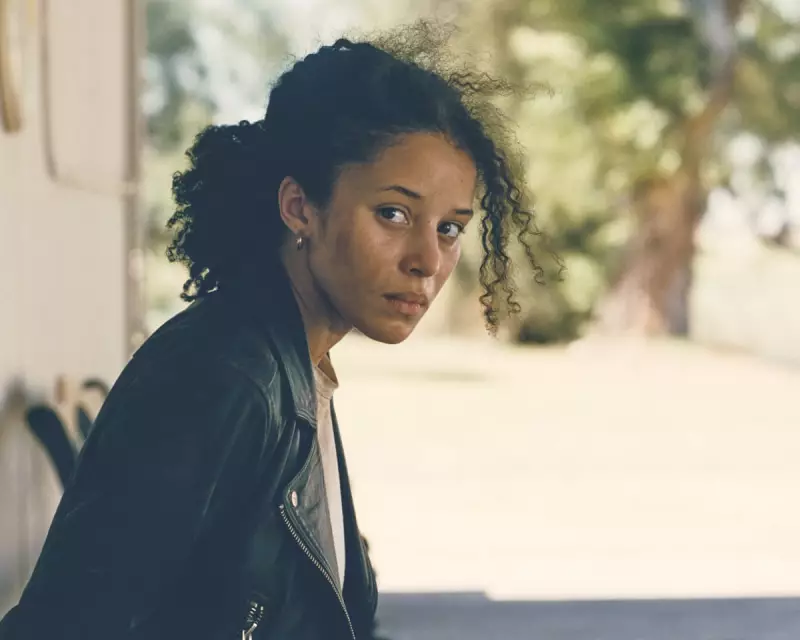
This is most poignant in One Battle After Another, where Bob's primary drive is to protect his 16-year-old daughter, Willa. Ironic hope is embedded in the casting: the actor playing Willa is named Chase Infiniti. She emerges as the film's comforting hope for the future, a sentiment shared not just with the other two films but also, as the article notes, with those inspired by the next generation resisting onscreen and on college campuses.
Together, these films form a powerful cinematic response to our moment, using sharp humour, relentless tension, and deep empathy to ask how we live, resist, and find hope within enduring struggles for justice.