Emerald Fennell's audacious new film adaptation of Wuthering Heights has arrived, and it is unapologetically designed for what some might call "the horny girls" – a passionate, modern reinterpretation that firmly places the female gaze at its core. This is not your grandmother's period drama; it's a visceral, emotionally charged experience that pushes the genre into thrilling new territory, far removed from the more sanitised romanticism of shows like Bridgerton.
A Deliberately Provocative Vision
Following her work on the deliberately shocking Saltburn, director Emerald Fennell has once again ignited debate with this adaptation. She has openly stated that Emily Brontë's original novel contains "enormous amounts of sadomasochism," a perspective that has led some purists to clutch their pearls. Early reactions to the trailer, dubbed '50 Shades of Brontë' by fans, hinted at the film's raunchy approach. However, Fennell's goal extends beyond mere titillation.
This interpretation aims to stir the soul, softening some of the monstrous edges of Cathy (Margot Robbie) and Heathcliff (Jacob Elordi) to allow their doomed, all-consuming love to feel more redemptive. They remain deeply flawed characters, but the narrative spends more time luxuriating in their raw yearning and primal lust, creating a different kind of emotional resonance.

An Interpretation Led by Feeling
As signalled by the quotation marks in its promotional title, this is explicitly Fennell's personal interpretation, heavily influenced by how the novel made her feel as a dramatic 14-year-old. She successfully recaptures the giddy intensity of teenage emotion, crafting a film that feels authentically for women and their desires. The female perspective is not just present; it is celebrated and central to the film's power.
The film is undeniably risqué, featuring swearing, BDSM elements, and significantly more explicit sexual content than the average staid period piece. Yet, Fennell manages to strike a tone where these elements feel integrated rather than gratuitous. It's a bold move that aligns with contemporary tastes for darker, more complex romance narratives, even as it joyfully discards historical fidelity in favour of red latex dresses, face gems, and a pulsating Charli XCX soundtrack.
Style, Spirit, and Soundtrack
For viewers not rigidly attached to Brontë's original text, this daring and loose adaptation is a welcome breath of fresh air. While other versions offer more literal translations, Fennell's film does something new and unexpected. It brims with spirit and a distinct aesthetic that is pure costume and production design fantasy for a modern audience.
The soundtrack is a particular triumph, a beautifully melded collaboration between Charli XCX's energetic synth-pop and Anthony Willis's more classical yet pulsating score. This sonic landscape perfectly complements the film's heightened emotions.
The story is ably set up by Charlotte Mellington and Owen Cooper as the young Cathy and Heathcliff. Their dynamic is established when Cathy's father, Mr. Earnshaw (a darkly comic Martin Clunes), brings Heathcliff home as "a pet" for her. This version combines Earnshaw with his son Hindley from the novel, presenting him as a volatile alcoholic whose cruelty starkly contrasts with his delusional self-image as the "kindest man alive."
Chemistry and Controversy
The chemistry between Margot Robbie and Jacob Elordi is undeniable and electric. Their interactions are charged with sexual tension, featuring slapping, finger-sucking, and passionate kissing long before more explicit scenes unfold. Elordi excels as Heathcliff, embodying the brooding anti-hero of fantasy with a presence that will undoubtedly thrill his fans.
However, the adaptation is not without its controversial choices. A significant missed opportunity, and one that feels disingenuous to overlook, is the whitewashing of Heathcliff—a character explicitly described as a person of colour in the novel. This decision strips away potential layers of social commentary and complexity from a love story set in the nineteenth century.

Robbie delivers a charismatic, hot, and mean performance as Cathy, though her very modern screen presence may not align with every viewer's imagined version of the character. Both leads are arguably too old to be convincingly playing randy teenagers cavorting across the moors, but they commit to the roles with compelling intensity.
Emotional Wallop and Doomed Romance
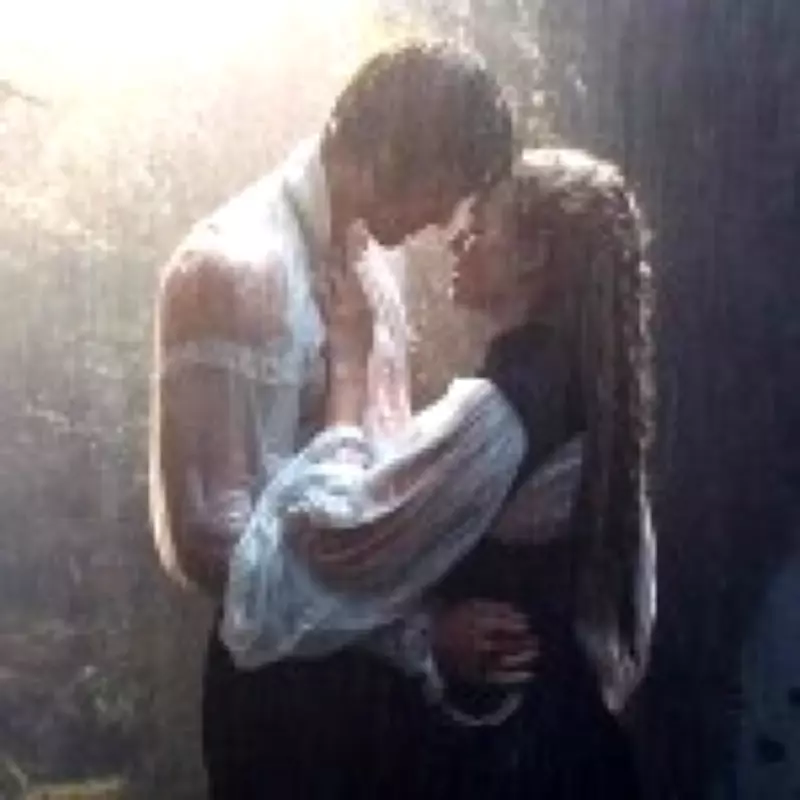
Fennell cleverly keeps several beloved quotations from the novel front and centre, even while mostly rewriting dialogue into a more modern vernacular—a generally successful gambit with only occasional slips. She demonstrates a keen understanding of what will resonate with a contemporary female audience, delivering iconic, swoon-worthy moments like a rain-soaked rendezvous involving a fireman's lift.
The film also develops Heathcliff's cruel relationship with Isabella (a scene-stealing Alison Oliver) into something more twisted yet narratively engaging. At its heart, the story remains one of impossible love and vengeful torment, albeit with the class conflict somewhat weakened. The result is a narrative that embraces its own ridiculousness, revelling in the characters' heady, destructive yearning.
There is a profound beauty in this amped-up, doomed romance. It possesses the raw power to transport audiences back to the angst of their teenage years, leaving a genuine lump in the throat. While some may critique the film for prioritising style and "vibes" over substance—noting that half the book's plot is omitted—Fennell's emotional wallop is undeniable and lingers long after the credits roll.
In the end, Emerald Fennell's Wuthering Heights is a triumphant and emotionally devastating reinterpretation. It is a film that some will love and others will love to hate, but it stands strong precisely because of its dramatic perversions and its fearless rewriting of a beloved classic. It is a call to let modern audiences swoon in peace, on their own terms.