Emerald Fennell's Radical Reimagining of Wuthering Heights
Director Emerald Fennell, fresh from the success of Saltburn, has unleashed a provocative and visually stunning reinterpretation of Emily Bronte's literary masterpiece with her new film Wuthering Heights. This is not your grandmother's period drama but rather a bold, contemporary reworking that filters the classic novel through a distinctly modern lens of gothic fantasy and sensual excess.
A Departure from Literary Tradition
From the opening moments, Fennell establishes her unconventional approach. The film begins not with the novel's original framing device but with a shocking sequence that immediately signals this adaptation's departure from tradition. Sex and death become intertwined motifs throughout the narrative, creating a tone that will undoubtedly alienate literary purists while captivating audiences seeking something beyond conventional period adaptations.
Fennell's version operates more as a gothic fairytale inspired by rather than a faithful adaptation of Bronte's work. The complex family relationships and intricate timelines that define the original novel have been streamlined into a focused exploration of Cathy and Heathcliff's intense, destructive relationship. Students hoping this film might substitute for reading the text will find themselves thoroughly unprepared for traditional examinations of the source material.

Visual Excess and Sensory Overload
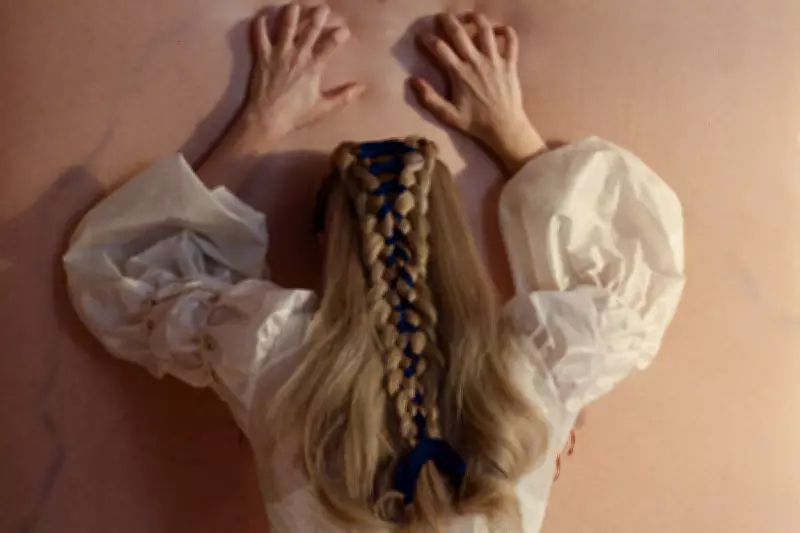
The film's visual language represents one of its most striking achievements. Wuthering Heights transforms from a lonely Yorkshire estate into a nightmarish castle surrounded by jagged rock formations, with crimson streams flowing through the landscape. The production design creates a world of dark opulence where every surface seems textured, mirrored, or bejeweled.
Fennell and her cinematographer revel in physical excess and bodily fascination. The camera lingers on scars, skin textures, and physical fluids with voyeuristic intensity. Fireplaces composed of grasping hands, walls painted to resemble human skin complete with veins and moles, and constant moisture create an atmosphere of overwhelming sensory experience. The influence of directors like Guillermo del Toro is evident in this approach to gothic imagery.
Performances That Command Attention
Margot Robbie and Jacob Elordi deliver magnetic performances as Cathy and Heathcliff, with the camera seemingly drinking in their every movement and expression. Their chemistry drives the film's central relationship, which Fennell presents as a doomed but intensely physical connection. The actors spend significant screen time in various states of intimate contact, creating what might be described as the most viscerally sensual adaptation of Bronte's work ever committed to film.
Despite the emphasis on physicality, the film maintains moments of extraordinary visual beauty. Whether capturing Cathy's dramatic wedding train billowing across the moors or creating striking compositions like Mr. Earnshaw's death scene surrounded by towering piles of empty bottles, each shot feels meticulously designed for maximum emotional and visual impact.
A Film Born from Contemporary Culture
Fennell's career trajectory reveals a filmmaker deeply engaged with contemporary digital culture. From A Promising Young Woman's exploration of #MeToo themes to Saltburn's status as an online phenomenon, her work consistently engages with modern sensibilities. This adaptation continues that trend by transforming a Victorian novel into what promises to be one of the year's most controversial cinematic events.
The film has already generated significant backlash from traditionalists, but Fennell appears to have embraced this resistance, creating what might be described as a surreal and impressionistic interpretation that stands entirely on its own artistic terms. With a pulsating electronic soundtrack by Charli XCX enhancing the modern sensibility, this Wuthering Heights feels designed to provoke discussion and debate in online spaces.

A Bold Statement for Modern Audiences
Ultimately, Emerald Fennell's Wuthering Heights represents a carnival of excess that reimagines classic literature for the digital generation. By stripping away the novel's complex structure and focusing on the raw, physical intensity of Cathy and Heathcliff's relationship, Fennell creates a film that feels both timeless and thoroughly contemporary.
This adaptation may not please literary traditionalists, but as a standalone cinematic experience, it offers a visually stunning, emotionally charged exploration of desire, obsession, and gothic fantasy. In an era of endless online discourse about art and adaptation, Fennell's film seems destined to become a touchstone for conversations about how classic stories can be reinterpreted for new generations while maintaining their essential emotional power.