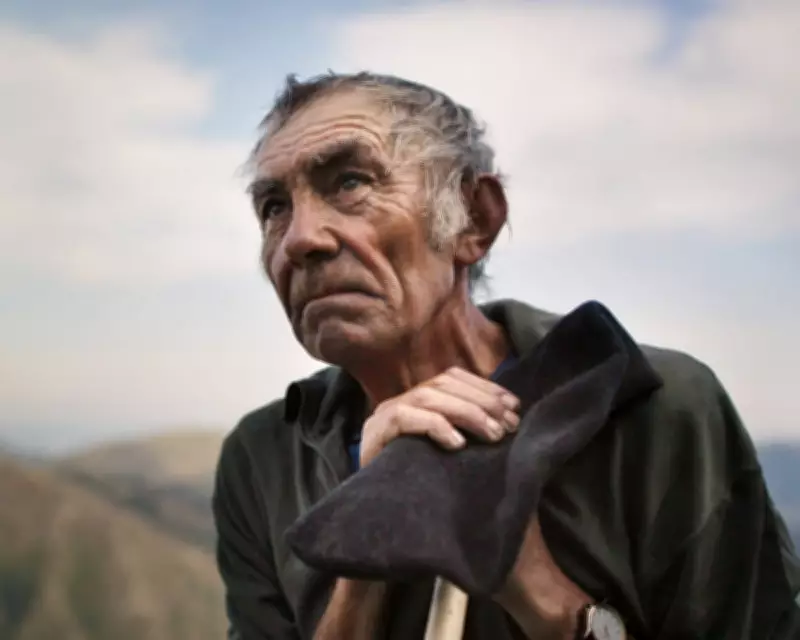
The Rise of Neo-Rural Cinema in European Film
European cinema is experiencing a significant transformation in its portrayal of rural life, moving beyond traditional folk-horror tropes to explore genuine conflicts between tradition and modernity in the countryside. This new wave of films, exemplified by Max Keegan's documentary The Shepherd and the Bear, demonstrates a heightened sympathy for rural matters and a sophisticated understanding of contemporary agricultural challenges.
Beyond Folk-Horror Stereotypes
For decades, rural cinema often relied on stereotypical portrayals of country folk as threatening outsiders. Films like Deliverance, The Wicker Man, and Hot Fuzz presented rural communities as mysterious, dangerous, or backward. However, the new generation of European filmmakers has shifted perspective dramatically. Instead of othering rural inhabitants, these films ride alongside them, tapping into their knowledge and experiences to reveal that nature itself often presents the greatest threats.
The Shepherd and the Bear provides a compelling example of this approach. The documentary follows shepherd Yves in the Pyrenees mountains as he confronts the challenges posed by brown bear reintroduction programs. In one particularly striking scene, Wagnerian lightning illuminates rain-swept ridges as sheep bells clank in darkness, creating genuine horror from natural elements rather than supernatural threats.

Exploring Modern Rural Conflicts
This new cinematic movement focuses intently on the collisions between tradition and modernity that define twenty-first-century rural life across Europe. The films examine how global environmental policies, urban migration patterns, and economic pressures are transforming agricultural communities.
Several recent films illustrate this trend powerfully:
- The Beasts (2022) explores tensions in Spanish Galicia when French newcomers veto a windfarm project
- Alcarrás (2022) depicts Catalonian peach groves threatened by solar panel installations
- The Eight Mountains (2022) examines the town-country divide through a prodigal son's return to Italy's Aosta valley
- The Truffle Hunters (2020) documents the last stand of Piedmont's elderly mushroom foragers
The Neo-Rural Phenomenon
A significant factor driving this cinematic shift is the growing phenomenon of urbanites returning to rural areas, known in France as les néoruraux. This migration has created new cultural dynamics that filmmakers are uniquely positioned to explore. Some directors even personally bridge the urban-rural divide themselves.
Francis Lee, director of God's Own Country (2017), grew up in the Yorkshire farming milieu he depicts. Louise Courvoisier, who directed the cheese-making drama Holy Cow, splits her time between filmmaking and working on her family's farm in France's Jura region. This firsthand experience lends authenticity to their portrayals of rural life.
Artisanal Reverence and Realistic Portrayals
Unlike earlier rural films that often emphasized miserabilism, contemporary neo-rural cinema demonstrates an artisanal reverence for agricultural producers. In an era of foodie culture and heightened awareness about food origins, these films find heroism in the daily work of supplying what was traditionally called the horn of plenty.
From Yves' sheep herding in The Shepherd and the Bear to tomato cultivation in Alcarrás and cheese production in Holy Cow, these films celebrate the skill and dedication required for traditional food production. This represents a significant departure from earlier cinematic approaches to rural life.
Persisting Tensions and Occasional Violence
Despite this more sympathetic approach, neo-rural cinema doesn't shy away from depicting the real tensions that exist in contemporary countryside communities. The conflict between rural traditionalists and urban newcomers, between established agricultural methods and modern environmental directives, provides rich material for dramatic exploration.

In The Beasts, the enmity between worn-down locals and idealistic newcomers escalates from tense domino games to sudden murder. In The Shepherd and the Bear, when a bear is finally shot in a neighboring region, Yves and other locals mutter dark approval, revealing the pent-up passions simmering beneath the surface of rural life.
A Distinct European Approach
Interestingly, while British cinema has experienced a glut of folk-horror in recent years, continental Europe produces virtually none of this genre. This may reflect different relationships with the land—the UK imports nearly half its food compared to France's twenty percent, suggesting a more pragmatic, less mythologized connection to agriculture in mainland Europe.
Yet the tensions explored in neo-rural cinema are universal in their way. By digging into the raw reality of contemporary rural life rather than relying on supernatural horror, these films allow audiences to see that the furrows of conflict run much deeper than simple urban-rural divides. They reveal complex ecosystems of tradition, policy, economics, and human passion that define modern agricultural communities across Europe.
The Shepherd and the Bear represents a sophisticated addition to this growing cinematic movement, offering UK audiences a window into Pyrenean pastoral conflicts when it releases in cinemas on February 6th.