Major Film Figures Condemn Berlinale's Political Stance on Gaza
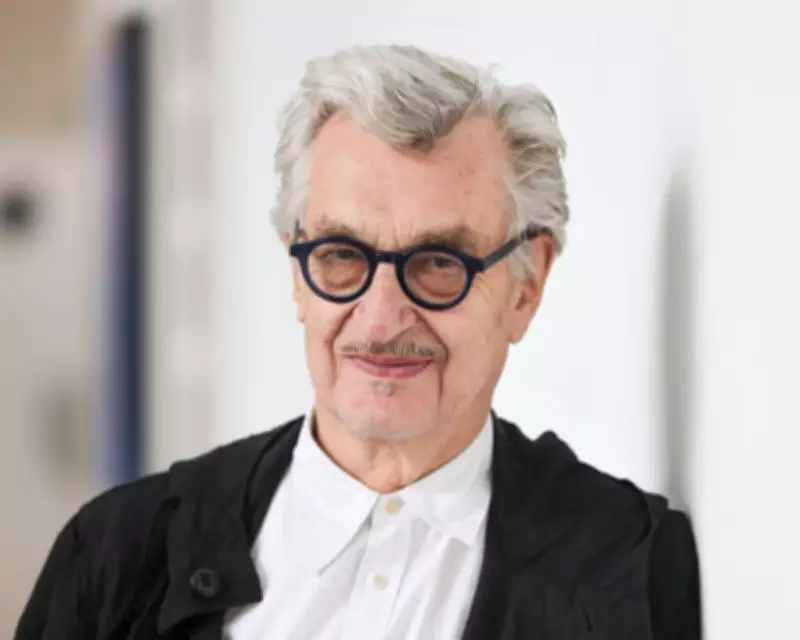
More than eighty prominent film industry participants, including Academy Award winners Javier Bardem and Tilda Swinton, have signed an open letter criticizing the Berlin International Film Festival's perceived silence regarding the Israel-Gaza conflict. This controversy erupted following comments from festival jury president Wim Wenders, who suggested filmmakers should avoid political engagement during the event's opening press conference.
The Controversial Remarks That Sparked Industry Backlash
Wim Wenders, the acclaimed German director serving as this year's Berlinale jury president, ignited controversy when responding to questions about the Israel-Gaza conflict during the festival's opening press conference. Wenders stated that filmmakers "should stay out of politics," a remark that came amid growing international attention to Germany's support for Israel and the ongoing humanitarian crisis in Gaza.
The festival found itself embroiled in what organizers described as a "media storm" over the alleged suppression of political discourse at the prestigious event. This situation escalated when celebrated Indian author Arundhati Roy withdrew her participation from the festival in protest, prompting festival director Tricia Tuttle to issue a formal statement addressing the growing concerns.
Festival Leadership Defends Artistic Freedom
Tricia Tuttle, the Berlinale's director, defended filmmakers and actors who have faced increasing pressure to address political and societal issues during press conferences. "Artists are free to exercise their right of free speech in whatever way they choose," Tuttle asserted. "Artists should not be expected to comment on all broader debates about a festival's previous or current practices over which they have no control. Nor should they be expected to speak on every political issue raised to them unless they want to."
Tuttle emphasized the diversity of artistic expression, noting there are "many different kinds of art, and many different ways of being political." She expressed concern that filmmakers were being unfairly criticized when they couldn't "compress complex thoughts into a brief soundbite when a microphone is placed in front of them when they thought they were speaking about something else."
Industry Heavyweights Challenge Festival's Position
Despite Tuttle's defense, major industry figures have accused the Berlinale of effectively censoring artists who wish to speak out on political matters. According to Variety, the signatories of the open letter "fervently disagree" with Wenders' separation of filmmaking from politics. "You cannot separate one from another," they declared, adding that the "tide is changing across the international film world."
The signatories include an impressive roster of international talent: Adam McKay, Angeliki Papoulia, Saleh Bakri, Tatiana Maslany, Peter Mullan, Tobias Menzies, directors Mike Leigh, Lukas Dhont, Nan Goldin, Miguel Gomes, and Avi Mograbi. Their collective statement represents a significant challenge to the festival's current position on political engagement.
Political Questions Dominate Festival Discourse
Throughout the Berlinale, politically oriented questions have dominated headlines and social media discussions. High-profile guests found themselves unexpectedly fielding questions on political topics that often had limited connection to the films they were promoting. American actor Neil Patrick Harris was asked whether cinema could effectively combat fascism, while British star Rupert Grint faced similar questioning about fascism's contemporary manifestations.
Malaysian actor Michelle Yeoh, attending the festival, was asked for her thoughts on the current state of the United States. Meanwhile, Rage Against the Machine guitarist Tom Morello, who co-directed the music documentary "The Ballad of Judas Priest," received applause from journalists when he declared: "What a time to be alive, where you can both make a documentary about one of your favourite bands and fight fascism at the same time."
Historical Context and Demands for Accountability
The open letter signatories noted that the Berlinale has made "clear statements" in the past regarding other international conflicts, including the situation in Ukraine. They contrasted this historical precedent with what they perceive as the festival's current reluctance to address the Israel-Gaza conflict.
The letter also referenced the refusal of more than five thousand film industry workers, including several major Hollywood figures, to collaborate with what they describe as "complicit Israeli film companies and institutions." This growing movement within the international film community reflects increasing pressure on cultural institutions to take clear political stands.
"We call on the Berlinale to fulfil its moral duty and clearly state its opposition to Israel's genocide, crimes against humanity and war crimes against Palestinians, and completely end its involvement in shielding Israel from criticism and calls for accountability," the signatories declared in their strongly worded statement.
This controversy highlights the ongoing tension between artistic expression and political engagement within international cultural institutions, particularly as global conflicts continue to influence artistic discourse and festival programming decisions worldwide.