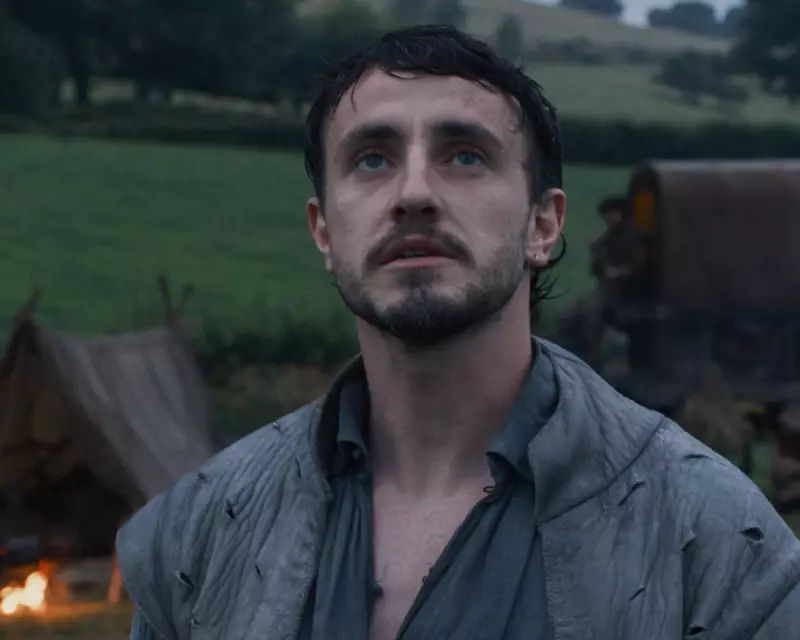
A lively debate has erupted over the accessibility of William Shakespeare's language, ignited by comments from actor Paul Mescal. The discussion centres on his role in the upcoming 2025 film 'Hamnet', directed by Oscar-winner Chloé Zhao.
The 'Feel It' Philosophy: Mescal's Defence of Shakespeare
According to director Chloé Zhao, Mescal offered a unique perspective when she confessed to struggling with the Bard's complex text. The actor, who plays Shakespeare in the film, reportedly comforted her by saying, "Listen, if Shakespeare is performed right, you don’t have to understand what they’re saying. You feel it in the body, the language is written like that."
This idea of intuitive, physical comprehension has been celebrated by many of Mescal's admirers. It positions the emotional and sensory experience of the performance above a literal, intellectual understanding of every word.

Adrian Chiles' Literal Counter-Argument
Guardian columnist Adrian Chiles has mounted a firm rebuttal to this viewpoint. In his latest piece, he argues that understanding the plot and dialogue is fundamental to engagement.
"Of course you need to understand what’s being said and what’s going on. At least I do," Chiles writes. He describes the alternative—simply letting the artistry wash over you—as a recipe for feeling confused, inadequate, and ultimately bored.
Chiles draws a sharp distinction between visual art, where he finds liberation in a purely emotional response, and narrative drama. For plays, films, and television, he insists on the need for a coherent plot as a "lifeline" for the audience, quoting writer Somerset Maugham.
A Wider Question of Modern Storytelling
This exchange taps into a broader contemporary frustration Chiles identifies: the often impenetrable nature of modern prestige television dramas. He muses on the need for a discreet, guiding commentary to help viewers navigate complex narratives, akin to a director's track on a DVD.
Chiles also humourously speculates on the origin of Mescal's comment, wondering if the actor himself was grappling with the script and deployed the "feel-it-in-my-body" line as a charming deflection. Nonetheless, he concludes with a touch of admiration: "If you’ve got it mate, flaunt it."
The core conflict remains unresolved: is the true power of Shakespearean performance an intellectual puzzle to be solved, or a visceral experience to be felt? As Paul Mescal brings the Bard to life in Chloé Zhao's highly anticipated 2025 film, this debate ensures audiences will be watching—and listening—with extra scrutiny.