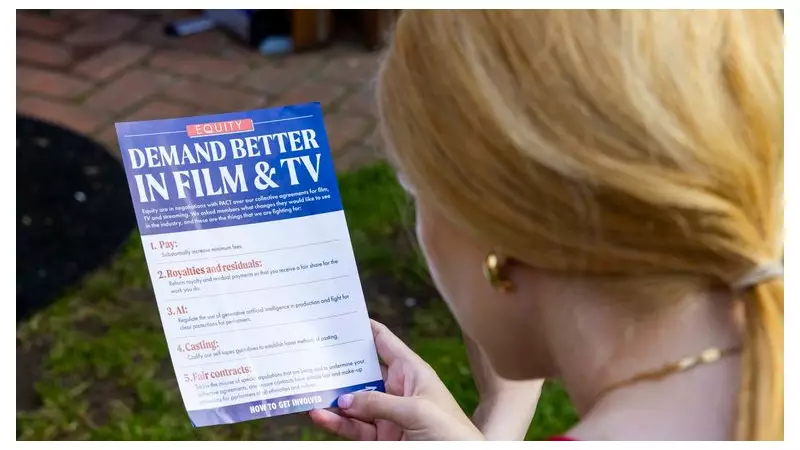
In a landmark move with potentially seismic implications for the UK's creative sector, performers have delivered an overwhelming mandate for industrial action over the use of artificial intelligence. Members of the UK's largest acting union, Equity, have voted by a staggering majority to refuse digital scanning on set unless adequate AI safeguards are established.
A Landslide Vote for Action
The results of an indicative ballot were announced by Equity general secretary Paul W Fleming on Thursday 18 December 2025. With a turnout exceeding 75%, more than 99% of the over 7,000 film and television performers balloted stated they were prepared to refuse a set scan. This marks the first time in a generation that such a large section of Equity's membership has signalled a readiness to take industrial action.
"Artificial intelligence is a generation-defining challenge," Mr Fleming declared at the union's Covent Garden headquarters. He emphasised that the workforce is willing to "significantly disrupt production" unless their concerns are addressed and a long-term decline in terms and conditions is reversed.

The Core of the Dispute: Consent and Control
The vote follows 18 months of tense negotiations with the Producers Alliance for Cinema and Television (Pact), which represents the majority of UK production companies. While both sides report progress on some digital replica issues, a critical sticking point remains: the use of performers' data—including scans and recorded performances—to train AI systems without explicit consent, transparency, or fair remuneration.
Mr Fleming issued a direct challenge to producers and US streamers, urging them to "step away from the brink" and respect the union's show of strength. He called for AI protections that build on, rather than simply copy, those secured by the SAG-AFTRA union in the USA after its 2023 strike.
A Pact spokesperson responded by stating that scanning is not common on most productions and is typically used for long-established visual effects or editing purposes. They claimed Pact had offered terms consistent with other countries and argued that "Equity is asking for future-facing protections that extend beyond the established safeguards already proven to protect actors around the world."
What Happens Next?
While the ballot is indicative and not legally binding, it serves as a powerful warning shot to the industry. Mr Fleming stated that "the ball is in [Pact's] court" when talks resume in January. He warned that if satisfactory AI protections are not agreed, Equity's next step will be to hold a statutory ballot for formal industrial action, which could lead to widespread disruption across UK film and TV sets.
The concerns echo those voiced globally. Actor Riz Ahmed, speaking to Sky News, reflected the anxiety and resolve within the creative community: "I don't think you can be relaxed about something that's gonna change our lives so dramatically." He added, however, that he believes true creativity requires human friction, something AI cannot replicate.
This decisive vote places the UK's film and television industry at a crossroads, with the new year set to determine whether a historic clash over technology and creative rights can be avoided.