In the world of television, first impressions aren't everything. Some of the most iconic and beloved characters made their entrance long after the opening credits first rolled, seamlessly weaving themselves into the fabric of the show and often elevating it to new heights. A recent discussion has highlighted fifteen such late arrivals, characters who became indispensable despite their delayed debut.
From Seventh Friend to Agitating Uncle
In the world of sitcoms, few late additions have been as universally embraced as Mike Hannigan in Friends. As the only character to truly feel like a seventh Friend, Mike, played by Paul Rudd, was the perfect match for Phoebe Buffay. He provided a grounding force for her eccentricities and the stable family she had always lacked. Remarkably, Rudd's now-iconic star power was not a factor at the time; the character had to earn the audience's affection through his genuine connection with Phoebe, which he undoubtedly achieved.
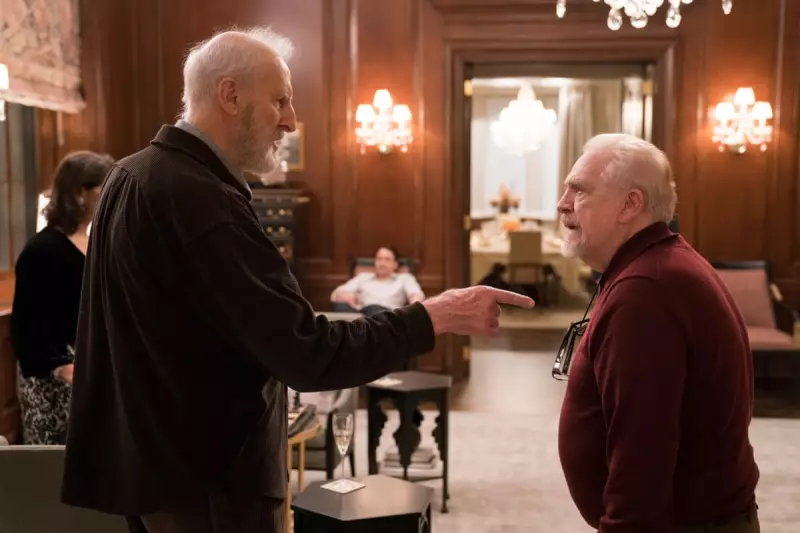
Over in the cutthroat world of Succession, Ewan Roy made a powerful entrance in the first season's fifth episode. Portrayed with impeccable gravitas by James Cromwell, Logan Roy's elder brother served as a vital moral and political conscience. His presence gave left-leaning viewers a principled figure to root for, acting as a constant agitator to his ruthless younger sibling and adding profound depth to the Roy family dynamic.

Elevating Ensembles and Defining Dynamics
Other shows found their groove with perfectly timed additions. In New Girl, the introduction of Aly in season four provided a smart and funny partner for Winston, a character who already shone. Aly integrated so flawlessly with the established ensemble that her absence from the earlier seasons was quickly forgotten. Similarly, the long-awaited reveal of The Mother in the final season of How I Met Your Mother was hailed as a triumph, with the character exceeding sky-high expectations and becoming instantly beloved by fans.
Science fiction and fantasy series have also been transformed by late arrivals. River Song, first uttering "Hello, sweetie" in Doctor Who, irrevocably changed the Doctor's life and the show's mythology. In Red Dwarf, the sanitation droid Kryten transitioned from a one-off guest in season two to a series regular, beloved for his logical explanations and hilarious one-liners. Meanwhile, Supernatural was forever altered in season four by the arrival of the angel Castiel, whose dramatic entrance and compelling portrayal by Misha Collins earned him a permanent place in the show's core team.
Unforgettable Antagonists and Scene-Stealers
Some latecomers provided the essential spark a narrative needed. Lalo Salamanca's introduction in Better Call Saul injected a thrilling new energy, connecting the prequel more directly to its Breaking Bad roots. In The Sopranos, Ralph Cifaretto arrived as a horrifically compelling and complex villain, whose actions reverberated through the series long after his departure. He was a charming yet charmless earner, whose toxic masculinity hid surprising vulnerabilities.
Comedy, too, has been defined by brilliant late additions. It is hard to imagine It's Always Sunny in Philadelphia without Frank Reynolds, played by sitcom legend Danny DeVito, who joined from season two. His filthy-rich, kinky, and heartless persona became a cornerstone of the show's humour. And who could forget Lord Flashheart? Rik Mayall's scene-stealing, "Woof!"-shouting performance in a single episode of Blackadder II remains a legendary television moment.
The list also celebrates Lane Pryce in Mad Men, whose Englishness and tragic arc enriched Sterling Cooper; Sideshow Bob in The Simpsons, whose recurring appearances are consistently standout episodes; Meg in Motherland, the fearless disruptor at the school gates; and Jacqueline "Jack" Sloane in NCIS, whose depth as an operational psychologist added new layers to the long-running procedural.

These fifteen characters prove that in television, timing isn't always about being first. Sometimes, the most memorable impact comes from a perfectly placed, albeit late, arrival that audiences never knew they needed.