Somerset's Month of Mud Festival Celebrates Anglo-Saxon Tradition
In the misty uplands of Somerset, where the mud is thick and sticky after relentless winter rains, a unique celebration is taking root. Jon Barrett, a community engagement officer for the Quantock Hills National Landscape, is leading an initiative to transform public perception of mud from nuisance to natural wonder.
Embracing the Mud Month
Barrett and his colleagues have launched a Month of Mud festival throughout February, drawing inspiration from the Anglo-Saxon name for this time of year – Solmōnaþ, which translates as "mud month" or sometimes "month of cakes." Despite challenging weather conditions that have brought flooding to parts of the West Country, the Quantock team is determined to find the bright side of Britain's muddy season.
"I know for some, mud may be their nemesis at this time of year but we're trying to celebrate it, get people to embrace it," Barrett explained with a broad grin as he navigated the oozy terrain around Cothelstone Hill near Taunton. "Children love splashing through muddy puddles but I think adults can forget that joy. We want people to remember that feeling of freedom when you splash and stamp through muddy puddles."
Festival Events and Activities
The landscape team has organised a diverse programme of events designed to reconnect people with the earth beneath their feet:
- Squelchy hikes through the Quantock Hills' most muddy paths
- Art sessions teaching participants how to mix the area's distinctive red-hued mud with honey to create natural paints
- Storytelling sessions focusing on earthy legends and mud-related folklore
- Walks with varying "welly ratings" from one to five to accommodate different comfort levels with mud
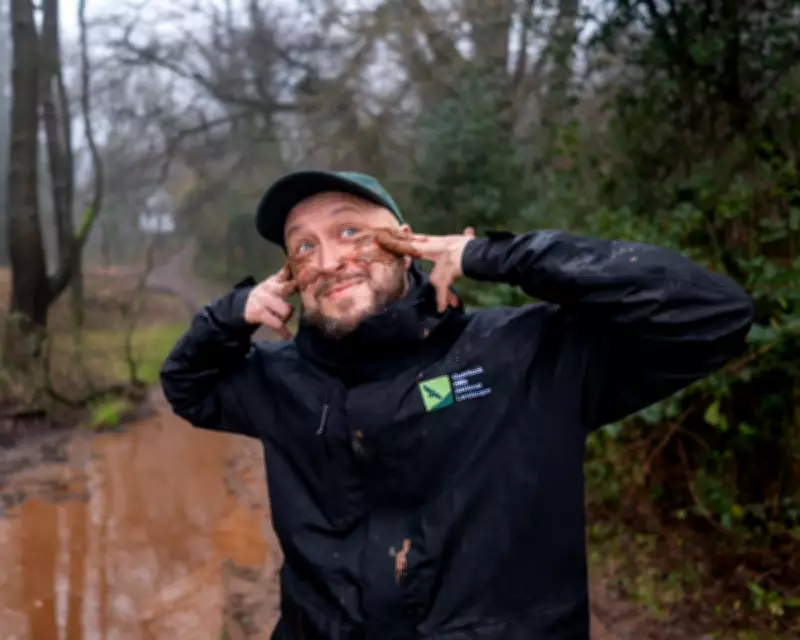
Barrett emphasised the festival's inclusive nature: "We work with people who may only have one pair of shoes," he noted, explaining why some walks offer minimal mud contact while others embrace the full squelchy experience. He himself happily smeared Quantock mud across his cheeks during demonstrations, though he admits there's no scientific evidence for particular skincare benefits.
The Ecological Importance of Mud
Andy Stevenson, a Quantock Hills ranger, highlighted mud's crucial ecological role: "Mud is a valuable habitat for some flora and fauna, from the brittle stars on the Somerset coast to the earthworm." He explained how mud created by people or grazing animals benefits invertebrates like bees and wasps, providing burrowing opportunities, drinking sources from shallow pools, and hunting grounds.
"Once dry, the muddy patches or bare soil provide a bed for new plants," Stevenson continued. "Wildflowers such as bluebells and primroses in woodlands may have been covered over but once the ground receives sunlight, water and warmth the plants will grow."
Cultural and Historical Connections
Dan Broadbent, a West Country storyteller involved in the festival, noted mud's rich cultural significance: "There were many stories from around the world in which humans were created from mud or earth." He particularly appreciates the Anglo-Saxon concept of "mud month" as a positive, hopeful phenomenon.
"Mud appears as the hard ground becomes softer and ready for ploughing and sowing after winter," Broadbent explained. "Mud therefore becomes something almost sacred, to do with regeneration and renewal. Mud can have a transformative power."
The Romantic poet Samuel Taylor Coleridge, who lived in Somerset in the late 18th century, referenced mud in his work, writing about being "stuck in the mire" and searching for "mud-lost sandals" in his poem Devonshire Roads.
Climate Context and Observations
The festival takes place against a backdrop of changing weather patterns, with extreme rainfall becoming more common and intense in many parts of the world due to climate breakdown. The Quantock team has observed unusual wildlife behavior this season, including adders emerging from hibernation much earlier than usual, possibly driven from their burrows by flooding, and increased sightings of palmate newts, toads, and frogs.
Despite the meteorological challenges, Barrett remains enthusiastic about the festival's mission: "We're keen to reconnect people with mud." He hopes to attract not just hardened walkers but people who wouldn't normally venture out in inclement weather, encouraging them to appreciate the distinctive red soil that characterises the Quantock Hills and creates tell-tale markings on boots and clothing.
As trail runners enjoy the slippery paths and mountain bikers leave tyre tracks on bridleways, the Month of Mud festival offers a unique opportunity to engage with the landscape in its most elemental state, celebrating what Barrett calls the "sacred and transformative" qualities of the humble mud beneath our feet.