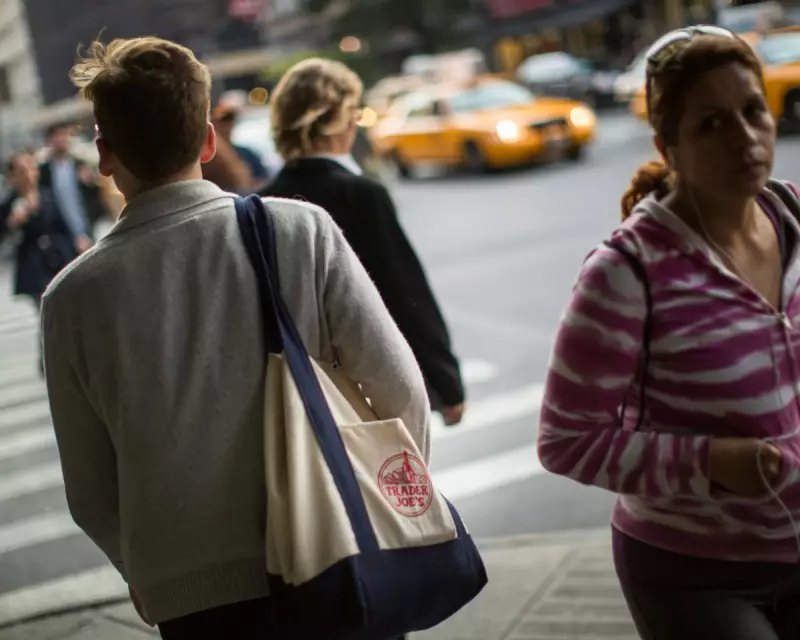
In a world saturated with bleak headlines, the latest global fashion obsession offers a peculiar, if not bewildering, diversion. The unlikely object of desire? A flimsy, reusable canvas shopping bag from the American supermarket chain Trader Joe's, which retails for a mere $3 in the US but is now commanding prices as high as $50,000 on the international market.
From Grocery Aisles to Global Runways
For the uninitiated, Trader Joe's is a US grocery chain famed for its budget-friendly prices, quirky tropical-themed branding, and notoriously cramped car parks that induce anxiety in even the most seasoned drivers. Its simple, branded tote bags were designed for carrying affordable groceries, not for making high-fashion statements.
Yet, from Tokyo to Paris, these utilitarian bags have been transformed into coveted luxury items. This creates a bizarre economic paradox: consumers abroad are willing to pay a fortune for an item that Americans casually acquire for loose change and subsequently forget in a cupboard. The author notes a personal parallel, having brought a Waitrose bag back from London, only to find it inspires zero envy or commentary, underscoring the unique cachet of the American brand.
The Fading Allure of the American Dream
This phenomenon speaks to a broader, more complex narrative about American soft power. Throughout the 20th century, brands like Levi's, Marlboro, and McDonald's became global symbols of cool, of a certain aspirational lifestyle. The opening of the first McDonald's in Moscow in 1990 saw an estimated 38,000 people queue, not for gourmet cuisine, but for a taste of the exotic and the American.
Cultural exports—from blockbuster films to fast food—were once a dominant force, making people want to visit the United States. However, this glossy image often masked deeper societal issues. Now, the allure seems to be dimming. The US travel industry reportedly anticipates 4.5 million fewer visitors in 2025 compared to 2024. The Trader Joe's tote bag craze suggests a new preference: owning a token of America is now more desirable than experiencing the country itself.
A Symbol for a Changed World
It is telling that someone would pay a small fortune to have a $3 bag shipped overseas while being reluctant to book a holiday to a nation where those bags are commonplace. The author wryly suggests it's akin to preferring the idea of America over the reality, which includes stressful Trader Joe's parking lots and underwhelming produce.
This trend may represent the last vestige of a certain kind of American cultural influence—one that is now consumed at a distance, as a curated accessory rather than a lived experience. The bag is a lightweight, portable piece of mythology.
The final advice is pointedly practical: save your money and support a local business with your tote bag choice. If the Trader Joe's bag remains an absolute must-have, the solution is simple. Book a flight to Los Angeles, buy one for $3, and contribute to the city's tourism economy. Just be prepared for the reality behind the brand, and perhaps, reset your phone before you travel.