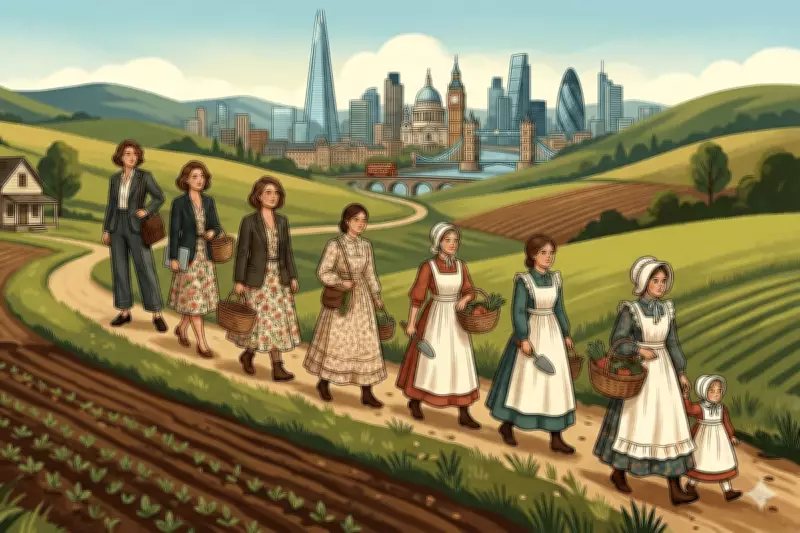
The Trad Wife Illusion: A Girlboss in Disguise, Monetizing Domesticity
The Girlboss era may have been declared dead, but a new, deceptive ideal of womanhood has emerged: the trad wife. Don't be fooled by the prairie dresses and home-cooked meals—this is not a return to 1950s housewifery. Instead, it's a savvy rebranding of the female entrepreneur, where domesticity is turned into a lucrative business. The trad wife isn't merely a stay-at-home mum; she's a stay-at-home businesswoman, leveraging her lifestyle for profit while selling a dream that many cannot afford.
The Fall of the Girlboss and Rise of the Trad Wife
In 2023, Vogue famously declared, "The Girlboss is dead," marking the end of an era defined by the rise-and-grind She-E-O. This model, popularized by Sheryl Sandberg's "lean in" philosophy, promised women they could have it all: career, family, and power. However, the cracks in this narrative soon became apparent. Hustle culture led to widespread exhaustion, and many women found that climbing the corporate ladder didn't deliver the promised fulfillment. Sarah Wragg, a PR agency owner, shared her regrets with City AM, stating that juggling a career and three children was "bloody stressful and completely exhausting."
Amid this disillusionment, the trad wife has stepped into the spotlight. Influencers like Nara Smith and Hannah Neeleman glamorize a life of domestic bliss, with Smith cooking elaborate meals in extravagant outfits for her 12 million followers, and Neeleman documenting her family's life on a Utah farm. Yet, these women are far from passive; they fiercely defend their choices, with Neeleman rejecting notions of oppression and emphasizing her deliberate prioritization of family life.
Monetizing Domesticity: The Hidden Business of Trad Wives
Beneath the surface, trad wives like Neeleman and Smith are not abandoning work—they're transforming their lives into profitable enterprises. A seemingly charming family moment on Neeleman's Instagram, such as her daughter frothing hot cocoa, quickly transitions into a sales pitch for Ballerina Farm's "Bone Broth Hot Cocoa" at $35 per bag. Similarly, Smith earns an estimated $200,000 monthly from TikTok's Creator Rewards, supplemented by high-profile brand deals. These women are not financially dependent on their husbands; they are breadwinners, using feminine aesthetics to mask a shrewd financial strategy.
This monetization of domesticity represents a new form of "leaning in," where the power suit is swapped for a prairie dress. However, it also misleads followers by glamorizing a lifestyle that is uniquely accessible to those who can turn it into a revenue stream. The danger lies in the illusion: while these influencers profit from the trad wife image, many women who emulate them face the harsh reality of financial dependence without such opportunities.
The Dangers of Misreading Aesthetics and Ideology
The trad wife movement blurs the lines between aesthetics and ideology, leading to harmful misconceptions. For instance, singer Olivia Dean has been wrongly accused of promoting trad wife ideals due to her vintage style, despite being single and expressing independence in her music. London influencer Saff Michaelis faced similar backlash for her "bougie" lifestyle, forcing her to clarify that her traditional choices do not align with political conservatism. She asserted her pro-choice beliefs, highlighting the importance of not equating personal style with values.
This misreading is particularly perilous in a context of regressing women's rights. From the repeal of abortion rights in the U.S. to the U.K.'s maternity care crisis—where maternal deaths have risen sharply—the pressure on women is intensifying. Pro-natalist agendas, such as proposals to tax childless women, further exacerbate these challenges. Lawyer Ana Vilhete notes a troubling trend: working-class women are being discouraged from ambitious careers, while affluent women pursue them, fueled by fears that high-earning women deter partners.
Why the Trad Wife Dream Is Illusive and Dangerous
The trad wife propaganda, whether intentional or not, poses real risks. For most women, adopting this lifestyle doesn't lead to financial empowerment but to total dependence on a man. This illusion distracts from pressing issues like gender inequality and economic disparities. As International Women's Day approaches, it serves as a reminder that complacency has consequences. The rise of the trad wife underscores the need for transparency and critical consumption of content, ensuring that women's choices are informed by reality, not influencer fantasy.
In essence, the trad wife is a Girlboss in disguise, repackaging ambition in domestic garb. While she may offer an appealing escape from corporate grind, her dream is built on a foundation of monetization that few can replicate. It's a cautionary tale for an era where aesthetics often overshadow substance, and where the fight for women's rights requires vigilance against deceptive ideals.