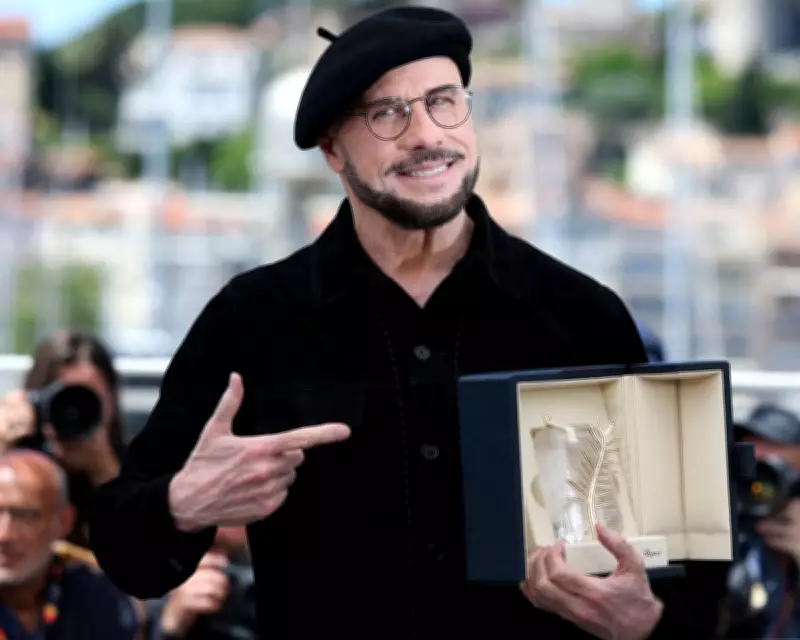
John Travolta was awarded an honorary lifetime achievement Palme d'Or at the Cannes Film Festival this week, but it was his new look that captured global attention. The actor, now a first-time director, sported a beret—in black, brown, and cream—paired with wire-frame spectacles and a neatly trimmed beard. Images of Travolta went viral, sparking comparisons to a barista, a Bond villain, and a character from Guess Who?.
The Inspiration Behind the Look
In an interview with CNN, Travolta revealed that his sartorial choice was deliberate. As he prepared to direct his first film, he decided to emulate iconic directors from the past. Scrolling through images of Ingmar Bergman and Roberto Rossellini, he told himself: “You’re an actor. Play the part of a director.” This concept, known as enclothed cognition, suggests that what we wear influences how we think and behave.
More Than Just a Hat
Travolta’s admission softened critical reactions. His outfit, however absurd it seemed while waving his Palme d'Or, resonated with many. Who hasn’t used clothing to signal a career change, forge a new identity after a breakup, or simply feel more confident? In fashion journalism, even wearing Birkenstocks can be a subtle rebellion against industry norms. Clothes affect how we feel and how others perceive us—it’s not cosplay, but a psychological tool.
The Red Carpet Dilemma
Red carpets are inherently strange environments. Celebrities face immense pressure to stand out, yet directors must balance publicity with the desire to be taken seriously as auteurs. Hollywood can be cruel and ageist, especially regarding reinvention. Travolta’s beret may seem like a minor change, but it represents a shift in identity. Similarly, Taylor Swift wearing Elizabeth Taylor’s jewelry, Pep Guardiola’s plaid shirts, or Kim Kardashian’s Marilyn Monroe dress at the Met Gala all serve as attempts to borrow star power or signal a new direction.
Political Dressing
Nowhere is method dressing more intense than in politics. Andy Burnham, for instance, dresses for the job he wants—Keir Starmer’s. He wears retro Everton shirts and running shorts to appear relatable, or bomber jackets and tees to reject Whitehall dress codes. Wes Streeting’s centrist blue suit carries implicit ideology, while Angela Rayner’s increased use of red signals her alignment with Labour values. These choices are exercises in would-be leadership theatre.
However, dressing the part has limits. You can wear a beret, but it doesn’t guarantee directorial skill. Go too far, and you risk parody. Travolta earned his beret by actually directing a film, albeit a middling one. For others, a pair of shorts can only manipulate public perception so much.