The Unrelenting Pressure on Modern Masculinity
In contemporary culture, men's faces have become a primary focus of scrutiny like never before. From political figures to Hollywood celebrities, facial features are analyzed, speculated upon, and dissected across media platforms. This phenomenon represents a significant cultural shift where male aesthetics are increasingly subjected to the same intense examination traditionally reserved for women.
The Political Theater of Masculine Faces
Political figures have become prominent examples of this trend. Defense Secretary Pete Hegseth frequently appears with what critics describe as a "general's mask"—characterized by a jutting jaw and unflinching gaze—despite lacking extensive military experience. Similarly, Donald Trump presents his version of the strongman face, though recent attention has shifted to other physical aspects. These performances occur precisely as the white male face has transformed into its own theater of authority within political discourse.
Other MAGA movement icons like Elon Musk have undergone public "glow ups," while JD Vance strategically rebranded with a beard during his 2022 Senate campaign to emphasize blue-collar ruggedness. This calculated presentation demonstrates how facial aesthetics have become integral to political messaging and personal branding.
The Cosmetic Surgery Boom
Parallel to political developments, there has been an explosion in male cosmetic procedures globally. Since 2020, cosmetic surgeries have increased by 40% worldwide, with men comprising a growing proportion of these procedures. The pursuit of "Desperate Dan" jawlines and "hunter eyes" has become increasingly common, driven by social media influencers and evolving beauty standards.
Leading plastic surgeon Dan Saleh reports that post-COVID, his clinic experienced a notable shift: male consultations increased to one in five, compared to one in ten before the pandemic. Common concerns include eye bags, sagging skin, and "Zoom chin"—a problem exacerbated by the rise of video calling. Facelifts have also grown in demand, often linked to weight-loss drugs that can cause facial sagging.
Historical Roots of Facial Ideals
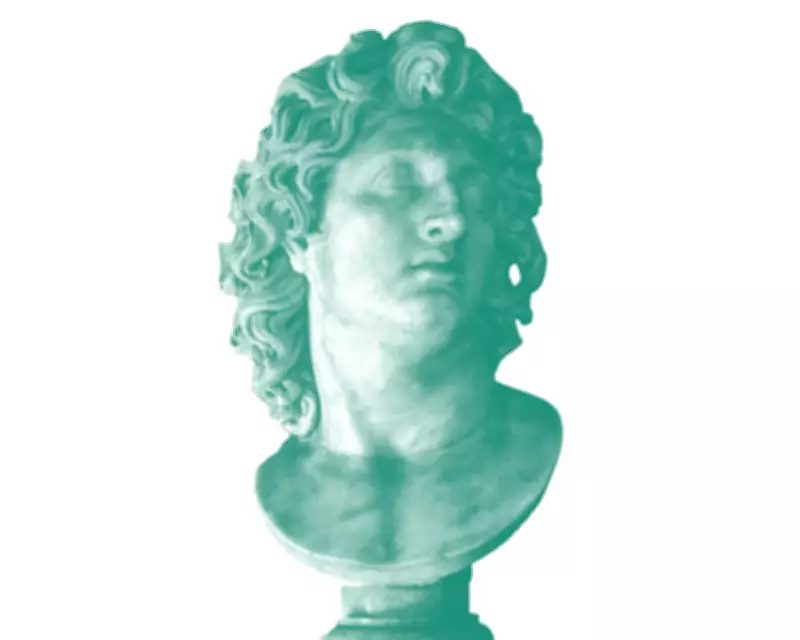
The current obsession with male facial aesthetics has deep historical roots. Aristotle claimed that black skin indicated cowardice while promoting specific facial features as markers of leadership quality. His student, Alexander the Great, had coins minted showing his profile with wide-open gaze and resolute jaw—early examples of facial features being used to project power and authority.
Roman portraiture employed verism, the hyper-realistic depiction of wrinkles and imperfections, to make age and experience visible markers of authority. However, these standards applied primarily to men; women's faces were typically stylized after goddesses rather than celebrated for their individuality or experience.
Technology's Role in Shaping Standards
The development of new technologies has consistently reinforced existing facial hierarchies. Photography enabled anthropologists like Francis Galton, founder of eugenics, to create composite images of "criminal types" and "racial types," ranking human worth by facial features. These biased classifications have influenced modern facial recognition algorithms.
Hollywood's closeup revolutionized facial scrutiny, bringing faces into unprecedented intimacy while magnifying every imperfection. This created impossible new standards that the industry addressed through makeup, lighting, and eventually cosmetic surgery. Today, social media algorithms promote pseudoscientific physiognomic ideals, claiming to use the "golden ratio" to define attractiveness while actually reinforcing Western European aesthetic preferences.
The Neoliberal Face as Capital
Today's trend toward youthful, overtly masculine ideals reflects neoliberal logic that treats individuals as projects requiring constant investment and improvement. The male face has become capital—a purchasable but depreciable asset in a world where power often feels abstract and inaccessible.
This dynamic particularly favors white, angular faces that are presumed neutral and easily invested with diverse meanings. Contemporary Hollywood heartthrobs like Jacob Elordi, Timothée Chalamet, and Austin Butler embody this aesthetic, projecting fantasies of desirable yet dangerous masculinity optimized for digital consumption.
Beyond Vanity: Deeper Cultural Implications
While women's faces have historically been valued primarily for beauty, men's faces serve as literal and symbolic figureheads—sites of political power and authority. The current focus on male facial aesthetics represents more than mere vanity or social media influence; it reveals how neoliberalism manifests in our politics, on our screens, and in surgeons' consulting rooms.
The resurgence of physiognomy in digital form, through AI algorithms designed to "read" faces for emotions, character traits, and even criminality, raises significant ethical concerns. These systems often reinforce racist assumptions while presenting historically specific ideals as natural and immutable.
As Dr. Fay Bound Alberti notes in her forthcoming book "The Face: A Cultural History," the male face of authority has never been just nature but always theater, market, meaning, and spectacle. Understanding this complex interplay helps explain why men are worrying about their faces more than ever—and what that worry reveals about our current cultural moment.