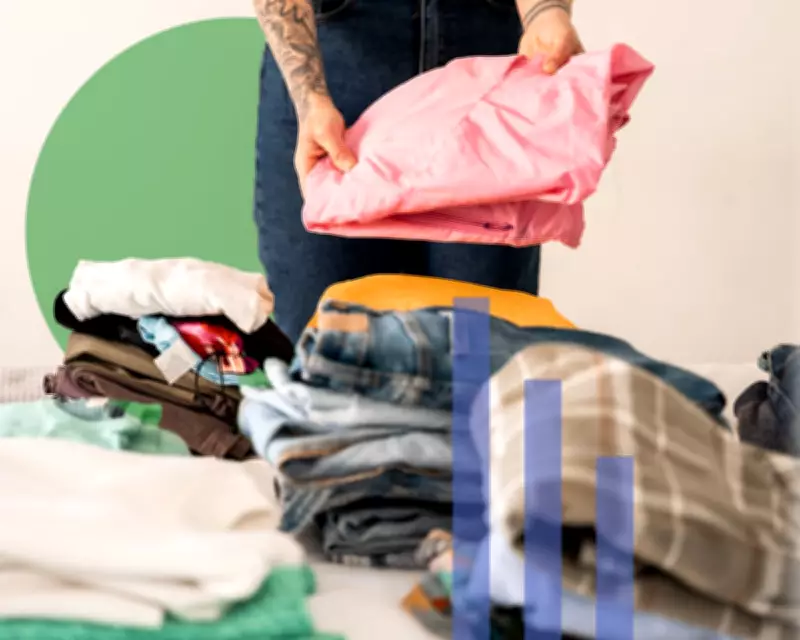
In an era where fast fashion dominates, millions of garments end up discarded annually, contributing to environmental degradation. However, giving unwanted clothes a second life is not only feasible but also crucial for reducing waste and promoting sustainability. This article explores actionable methods to transform your wardrobe through repair, recycling, and mindful consumption.
Repair and Revitalize Your Wardrobe
One of the most effective ways to extend the life of clothing is through repair. Simple fixes like sewing a loose button, patching a hole, or darning a sock can breathe new life into worn items. For more complex repairs, such as fixing a broken zipper or mending a tear, consider learning basic sewing skills or seeking help from local tailors and repair services. Many communities offer workshops or online tutorials to guide you through these processes, making repair accessible to everyone.
Embrace Upcycling and Creative Reuse
Upcycling involves transforming old or damaged clothes into new, functional items. For instance, turn a worn-out t-shirt into a reusable shopping bag, convert jeans into shorts, or repurpose fabric scraps into accessories like headbands or quilts. This creative approach not only reduces waste but also allows for personal expression and customization. By viewing clothing as a resource rather than disposable, you can minimize your environmental footprint while adding unique pieces to your collection.
Recycle Textiles Responsibly
When repair or upcycling isn't an option, recycling textiles is a vital step. Many municipalities and organizations provide textile recycling programs that collect old clothes, shoes, and household textiles. These items are sorted and processed into new materials, such as insulation, rags, or even new fabrics. Before recycling, ensure clothes are clean and dry to facilitate the process. Additionally, some brands offer take-back schemes where you can return used garments for recycling, often in exchange for discounts or rewards.
Donate and Swap for Community Impact
Donating unwanted clothes to charities, thrift stores, or shelters can give them a second life while supporting those in need. Ensure items are in good condition and suitable for reuse. Alternatively, clothing swaps with friends, family, or community groups allow you to exchange garments you no longer wear for new-to-you pieces, fostering a circular economy. This practice not only reduces waste but also builds social connections and promotes sustainable habits within your network.
Adopt Sustainable Shopping Habits
To prevent future waste, adopt mindful shopping practices. Prioritize quality over quantity by investing in durable, timeless pieces made from sustainable materials. Consider second-hand shopping through thrift stores or online platforms to extend the lifecycle of clothing. When buying new, support brands that prioritize ethical production and offer repair services. By making conscious choices, you can reduce the demand for fast fashion and contribute to a more sustainable fashion industry.
In summary, giving unwanted clothes a second life involves a combination of repair, recycling, donation, and sustainable consumption. By implementing these strategies, individuals can significantly cut down on fashion waste, conserve resources, and promote environmental stewardship. Start small with simple repairs or a clothing swap, and gradually incorporate more practices to build a greener wardrobe and a healthier planet.