Denise Richards' Facelift Revelation Sparks Transparency Debate
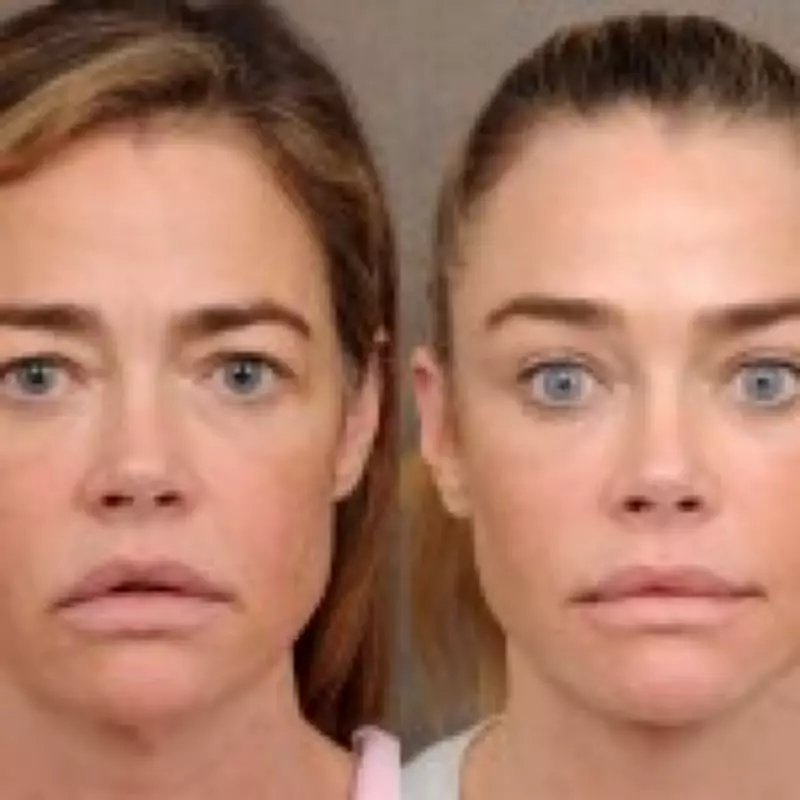
Denise Richards has generated significant online attention by publicly revealing the results of her recent facelift through a joint social media post with her plastic surgeon. The actress's dramatic transformation has drawn comparisons to her appearance in the early 2000s, particularly her role in Scary Movie 3, with many observers astonished by the youthful results.
The Transparency Argument
Many have celebrated Richards' openness as a feminist victory, praising her for acknowledging that maintaining a youthful appearance at 55 involves more than just lifestyle choices. This perspective aligns with a broader trend where celebrities and influencers are increasingly discussing their cosmetic procedures publicly.
As Adrian Richards, a renowned plastic surgeon at iQonic Aesthetics, explained: "There has definitely been a shift in how celebrities and influencers discuss their plastic surgery or tweakments in recent years. Twenty years ago, it would have been nearly unheard of for celebrities to discuss exactly what they have had done, never mind telling their online following who their surgeon was."
The Luxury Marketing Reality
However, labeling this development as pure transparency may be overly generous. Celebrity candor about cosmetic surgery frequently arrives wrapped in branding and subtle wealth signaling. What often presents as transparency increasingly functions as a luxury marketing strategy rather than a genuine public service announcement.
This creates a new layer of complexity in the relentless competition among women to maintain youthfulness and desirability. Historically, women could eventually opt out of this competition when their available options were exhausted. Now, with sufficient financial resources, women face theoretically endless possibilities for cosmetic enhancement.
The Financial Barrier
The procedures Richards underwent likely represent a significant financial investment. Experts estimate comprehensive facial rejuvenation procedures could range from $30,000 to over $500,000 depending on the surgeon's expertise and the complexity of the work.
Dr. Paul Banwell, an aesthetics doctor and consultant plastic surgeon, clarified: "In terms of cost, a face and neck lift in the US might sit anywhere between $30,000 and $250,000 depending on the experience and location of the surgeon and the level of complexity."
Adrian Richards offered an even higher estimate: "From my understanding, top surgeons in the US may charge over $500,000 per facelift, so I would imagine it would be over this."
The Discount Question
An important consideration involves whether celebrities actually pay these substantial amounts. Amish Patel, a leading aesthetics trainer and skincare expert at Intrigue Cosmetic Clinic, noted: "Free treatments usually come with the expectation that the celebrity will promote the brand/practitioner/clinic."
This promotional arrangement raises questions about whether such revelations represent genuine transparency or sophisticated marketing. The language used by Richards' surgeon, Ben Talei, further blurs these lines, describing the procedure in terms reminiscent of luxury restoration rather than medical intervention.
Societal Implications
The broader conversation reveals how aging is increasingly framed as aesthetic disrepair rather than a natural life process. While Richards stated she wanted to share her experience to inform other women, the underlying message reinforces that extreme transformations remain accessible primarily to those with substantial financial resources.
This dynamic creates a new form of inequality where access to perpetual youthfulness becomes another marker distinguishing the ultra-wealthy from the general population. Rather than democratizing beauty standards, such transparency often highlights the boundaries of who can afford to maintain cultural value through surgical intervention.
The discussion surrounding Denise Richards' facelift reveals complex intersections between celebrity culture, cosmetic surgery marketing, and evolving beauty standards in contemporary society.