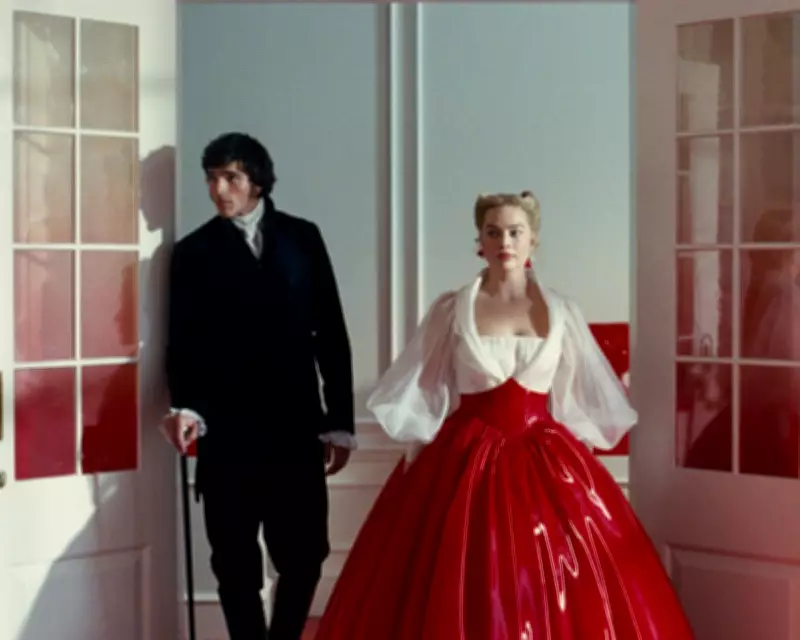
Costume Designers Embrace Spectacle Over Strict Historical Accuracy in Film
In the world of cinema, costume designers are increasingly prioritizing visual spectacle and narrative impact over meticulous historical accuracy, a trend that is reshaping how audiences experience period dramas and fantasy films. This shift reflects a broader artistic philosophy that values emotional resonance and storytelling power above rigid adherence to factual details.
The Artistic Rationale Behind the Choice
Many top costume designers argue that film is not a documentary medium, and thus, costumes should serve the story and characters rather than slavishly replicate historical records. By focusing on spectacle, they aim to create memorable visual moments that enhance the film's emotional depth and thematic elements. This approach allows for greater creative freedom, enabling designers to experiment with colors, fabrics, and styles that might not be period-accurate but effectively convey mood and character development.
For instance, in blockbuster films set in historical eras, designers often incorporate modern elements or exaggerated features to make costumes more relatable or visually striking for contemporary audiences. This can involve using brighter hues, unconventional materials, or stylized silhouettes that deviate from authentic period attire. The goal is to bridge the gap between past and present, making the film more accessible and engaging without compromising its core narrative.
Impact on Audience Perception and Film Success
This emphasis on spectacle over accuracy has significant implications for how films are received by viewers and critics alike. On one hand, it can lead to criticism from purists who value historical fidelity, but on the other, it often results in costumes that become iconic in popular culture, driving box office success and award recognition. Designers point out that audiences are more likely to remember a visually stunning costume that enhances the story than one that is merely accurate but forgettable.
Moreover, this trend encourages collaboration between costume designers and directors to develop a cohesive visual language that supports the film's overall aesthetic. By prioritizing spectacle, designers can contribute to world-building in fantasy and sci-fi genres, where imagination takes precedence over historical constraints. This has led to innovative designs that push the boundaries of traditional costume-making, using advanced technology and unconventional techniques to achieve breathtaking results.
Balancing Creativity with Authenticity
Despite the move toward spectacle, many costume designers still incorporate elements of historical research into their work, blending accuracy with artistic license. They might start with authentic references as a foundation, then adapt them to fit the film's tone and pacing. This balanced approach ensures that costumes feel grounded in a sense of reality while allowing for creative flourishes that elevate the viewing experience.
In conclusion, the trend of ditching accuracy for spectacle in costume design highlights the evolving role of fashion in film as a tool for storytelling rather than mere replication. As cinema continues to evolve, this philosophy is likely to persist, shaping future productions and inspiring new generations of designers to prioritize visual impact and narrative cohesion in their craft.