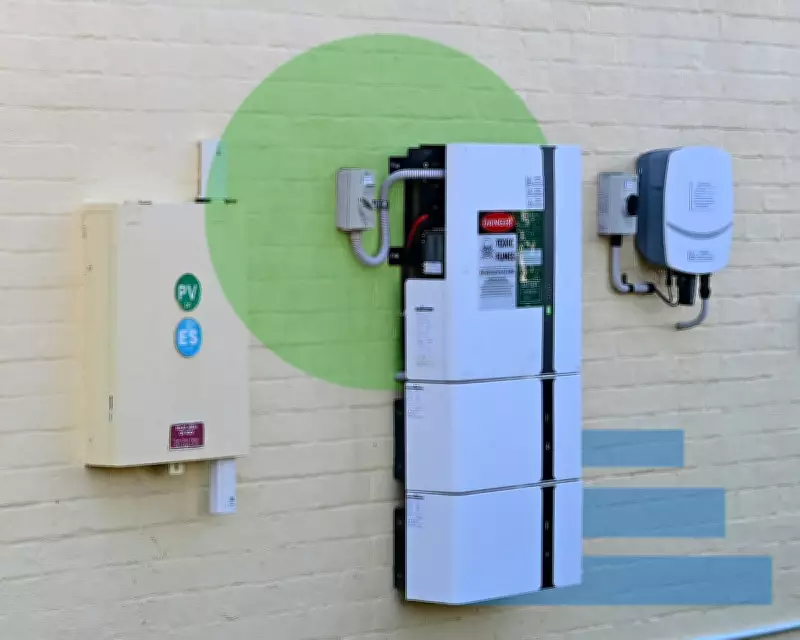
As more Australian households turn to solar energy, the question of whether to install a home battery is becoming increasingly common. With rising electricity prices and a desire for energy independence, many homeowners are exploring battery storage as a way to maximize their solar investment. However, before making a purchase, it is essential to consider several key factors to ensure the system meets your needs and budget.
Understanding Your Energy Needs
The first step in choosing a home battery is to assess your household's energy consumption. Review your electricity bills to determine your average daily usage and peak demand times. This will help you calculate the size of the battery required. For example, a typical Australian home uses around 15-20 kWh per day, but this varies depending on the number of occupants, appliances, and lifestyle.
Battery Capacity and Power
Battery capacity is measured in kilowatt-hours (kWh), indicating how much energy it can store. Power output, measured in kilowatts (kW), determines how much energy can be delivered at once. A larger capacity allows you to store more solar energy for use at night, while higher power output can run multiple appliances simultaneously. Experts recommend choosing a battery that matches your daily usage and can handle peak loads, such as running an air conditioner or oven.

Cost and Incentives
The upfront cost of a home battery system in Australia ranges from $5,000 to $15,000, depending on brand, capacity, and installation complexity. However, government incentives can significantly reduce the expense. For instance, the Victorian Solar Homes Program offers rebates of up to $4,838 for battery installations, while the Australian Capital Territory provides interest-free loans. Additionally, some states offer feed-in tariffs for exporting excess solar energy, which can offset costs over time.
Return on Investment
Calculating the payback period is crucial. A typical battery system can save households $500 to $1,000 annually on electricity bills, meaning a payback period of 5 to 10 years. However, this depends on factors such as electricity rates, solar generation, and battery degradation. Lithium-ion batteries, the most common type, typically last 10 to 15 years, so you need to ensure the savings outweigh the investment.
Installation and Safety
Professional installation is mandatory for home batteries. Ensure your installer is accredited by the Clean Energy Council (CEC) and follows Australian standards. Safety considerations include proper ventilation, fire protection, and compliance with local building codes. Batteries should be installed in a cool, dry location away from living areas. Additionally, check if your home's electrical panel needs an upgrade to handle the battery system.
Compatibility with Existing Solar
If you already have solar panels, verify that your inverter is compatible with the battery. Some systems require a hybrid inverter, while others can be retrofitted with an AC-coupled battery. Your installer can assess compatibility and recommend the best configuration. For new solar installations, a hybrid system is often the most cost-effective option.
Choosing the Right Brand
Popular battery brands in Australia include Tesla Powerwall, LG Chem, and Sonnen. Each has its own advantages: Tesla offers high power output and sleek design, LG Chem provides reliable performance at a lower price, and Sonnen focuses on longevity and smart features. Compare warranties, which typically cover 10 years or a certain number of cycles, and consider the manufacturer's reputation and local support.
Future-Proofing
Technology is evolving rapidly. Some batteries now offer virtual power plant (VPP) integration, allowing you to earn credits by sharing stored energy with the grid. Others support smart home integration for optimal energy management. When choosing a battery, consider its ability to adapt to future changes, such as electric vehicle charging or new tariff structures.
In conclusion, installing a home battery in Australia is a significant investment that requires thorough research. By evaluating your energy needs, understanding costs and incentives, ensuring professional installation, and selecting a compatible and reputable brand, you can enjoy greater energy independence and long-term savings.