Expert Clothing Care Hacks: From Fixing Zips to Keeping Whites White
Maintaining a wardrobe that looks fresh and lasts for years requires more than just basic washing. From preventing common issues like fading and pilling to mastering repair techniques for zips and seams, these expert-backed tips will transform how you care for your clothes. Whether you're dealing with stubborn stains, saggy necklines, or delicate fabrics, this comprehensive guide offers practical solutions to keep your garments in pristine condition.
How to Stop Tights from Laddering
Laddering in tights can be frustrating, but several strategies can help prevent it. Layla Sargent, founder of The Seam, recommends investing in higher-quality tights with a slightly higher denier, a good amount of elastane or Lycra, and reinforced toes and gussets. Brands like Falke, Heist, and Swedish Stockings are known for their durability compared to cheaper alternatives.
When putting on tights, avoid rough shoes and sharp nails to minimise damage. For washing, always use a mesh laundry bag on a cold, gentle cycle, and never tumble-dry, as heat weakens the fibres and can cause ladders. If a ladder does occur, clear nail polish can provide a temporary fix. For a more permanent solution, Karen Bentley-Brown of Simply Repair South Lakes suggests darning with a very fine yarn that matches the tights.
Keeping Whites Bright and White
Maintaining the brightness of white garments requires strict laundry habits. Rajiv Surendra, a YouTube expert with over 380,000 subscribers, emphasises washing whites only with other whites to prevent discolouration. For items with decals or mixed colours, assess the ratio of white to other colours; if it's more than half white, consider washing it with lights.
Use the hottest water possible when washing whites, as historically, people boiled them to maintain brightness. Idriz Ade from Haywards dry cleaners in Belgravia warns that overusing detergent can cause greying, so always stick to the recommended amount. For brightening, avoid bleach and opt for alternatives like Mrs Stewart's Bluing. Iwan Carrington from the BBC's Sort Your Life Out recommends using lemon juice for a pre-soak and half a cup of white vinegar in the wash. Additionally, sunbathing white clothes can help naturally brighten them.
For grimy underarms, use Shout Advanced Ultra Concentrated Gel or sew a cotton or linen sweat shield into the armpit. White vinegar can also break down deodorant residue and neutralise odours when added to the fabric softener dispenser occasionally.
Preventing Dark Clothes from Fading
Fading in dark garments is often caused by over-washing. Orsola de Castro, a fashion activist, advises buying quality blacks from the start, as poor-quality pigments are noticeable even in shops. To minimise fading, spot clean marks with a damp cloth and steam clothes in the bathroom to refresh them instead of washing.
When washing is necessary, turn garments inside out, use a detergent formulated for dark colours, and opt for a cold cycle. Avoid tumble-drying, as heat can accelerate fading. Separating laundry is crucial, as light fibres can fade darks just as dark fibres can dull whites.
Removing Tough Stains Effectively
Timing is critical when dealing with stains. Orsola de Castro always carries a small sponge to treat stains immediately. If you're on the go, dab water on the stain but avoid rubbing, which can spread it. Ideally, remove the garment and rinse it under a tap.
For specific stains:
- Oil and grease: Sprinkle bicarbonate of soda or cornflour to absorb oil, then gently spot wash with washing-up liquid.
- Red wine: Blot immediately, flush with cold water, and apply diluted white vinegar or an oxygen-based stain remover.
- Sweat and deodorant marks: Use a bicarbonate of soda paste directly on the stain, let it sit for 20–30 minutes, then wash on a cool cycle without removing the paste.
- Blood: Rinse with cold water only and treat with mild soap.
- Ink: Dab carefully with rubbing alcohol or hand sanitiser, placing a cloth underneath to absorb transfer.
If all else fails, Iwan Carrington suggests trying toothpaste, which can yield surprising results. For persistent stains, consider creative solutions like embroidery or patches, or seek professional stain removal for delicate fabrics.
Saving Saggy Necklines and Collars
To prevent sagging, wash delicate garments on cold, gentle cycles, avoid wringing, and dry them flat. Heavy knits should not be hung, and stretch fabrics should never be tumble-dried. If clothes become misshapen, use hot steam and carefully reshape them while damp.
For bacon neck—when T-shirt collars become stretched and crinkly—Jessica Smulders-Cohen recommends sewing a very fine elastic into the neckline seam to gently draw it back into shape, though this is best seen as a life-extending measure rather than a perfect fix.
Mending Holes in Socks and Knitwear
Prevention is key for socks. Gay Bennett, a repair artist, advises darning socks before they fully hole. Darning is easy to learn, and for socks, it doesn't have to be ultra-neat. YouTube offers numerous helpful videos, and there's no single right way to do it. For larger holes, an iron-on patch reinforced from the inside is more durable than stitching over it.
For knitwear, anti-moth measures are crucial to prevent holes. Layla Sargent recommends cedar blocks or balls as effective natural deterrents, lightly sanding them every few months to reactivate the scent. Lavender sachets can be used alongside cedar for a pleasant smell. Avoid mothballs due to their toxicity and lingering odour. On sunny days, open wardrobes and drawers, as clothes moths hate light.
If a hole appears, stop wearing the garment immediately to prevent enlargement, and never cut loose threads. Darn it yourself or seek professional help.
Stopping Shirt Collars from Becoming Worn
Iwan Carrington shares a cabin crew hack: spray a little hairspray on the collar moments before putting it on to prevent sweat absorption. Avoid over-washing and tumble-drying. When storing shirts, reinsert the collar inserts they were sold with to maintain shape and structure. Layla Sargent suggests doing up the top button so the collar sits naturally.
If a collar looks bedraggled, a tailor can replace it. At repair cafes, an over-stitch can reinforce tired collars, or collars can be flipped by carefully unpicking, turning over, and reattaching them so the unworn side faces out.
Removing Pilling on Woollens
Prevent pilling by washing wool inside out on a cold cycle and minimising friction from bags and coats. Hand-washing is recommended when possible. When bobbles arise, use a fabric shaver or wool comb gently on a flat surface. Be cautious with affordable tools, as they can cause holes on fine knits. Go slow, use light pressure, or opt for a wool comb instead of a shaver.
Fixing Broken Zippers and Split Seams
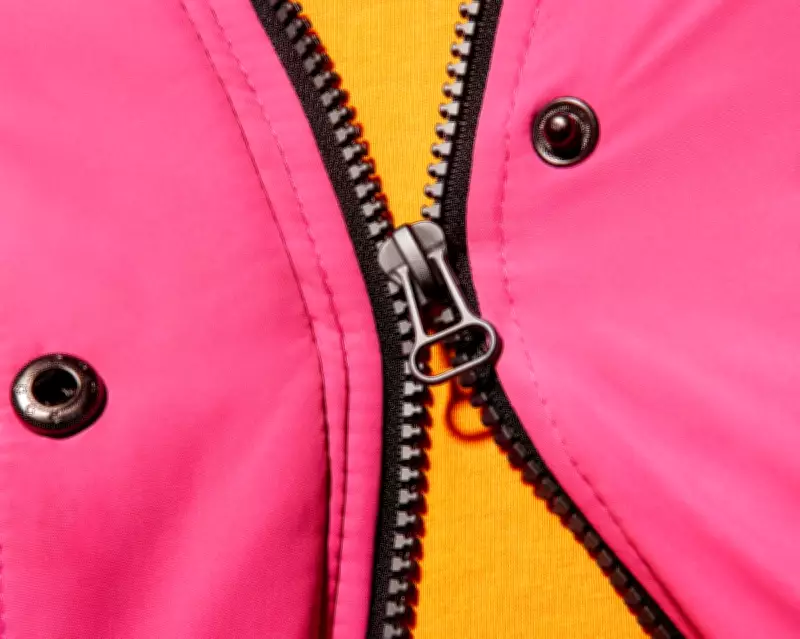
To prevent zipper breakage, keep zips clean and occasionally lubricate the teeth with graphite, candle wax, or soap. Always do up zips before washing to prevent damage. For a broken zip, try straightening it with pliers. If that fails, replace it with help from a local mender or repair cafe.
For split seams, stop wearing the garment immediately. Simple seams can be hand-stitched by turning the garment inside out and stitching along the original seam line with a strong thread, using a backstitch. Reinforce the start and end points. For high-street items, mending is often unnoticeable, but for top-quality clothes, seek expert help.
Removing Strong Smells from Vintage Clothes or Sports Kit
Soak items in a cool solution of water and white vinegar or bicarbonate of soda to break down bacteria. Avoid fabric softener, which can trap odours. For polyester, which traps oils well, multiple soaks or an enzyme-based detergent may be necessary. Iwan Carrington recommends freezing items in a plastic bag with bicarbonate of soda, then shaking out the soda and washing them. Spritzing musty clothes with vodka on a mist setting can also help.
Caring for Leather Jackets and Shoes
Leather requires regular cleaning and conditioning to prevent cracking and dullness. Hus Zekayi of Ace of Suedes advises never letting leather get too wet. If it does, let it dry naturally away from heat sources. Use a leather conditioner or cream, as polish alone doesn't replace conditioning. Avoid olive and coconut oils, which can darken leather permanently and attract dirt. Iwan Carrington recommends Saddle Soap applied with a damp cloth or soft brush. Store leather away from heat and sunlight to prevent dryness and cracking.
By incorporating these expert tips into your routine, you can extend the life of your clothes, reduce waste, and keep your wardrobe looking its best. From simple laundry adjustments to creative repair techniques, these hacks empower you to take better care of your garments, ensuring they remain stylish and functional for years to come.