The Perfume Predicament: When Best Friends Share Too Much
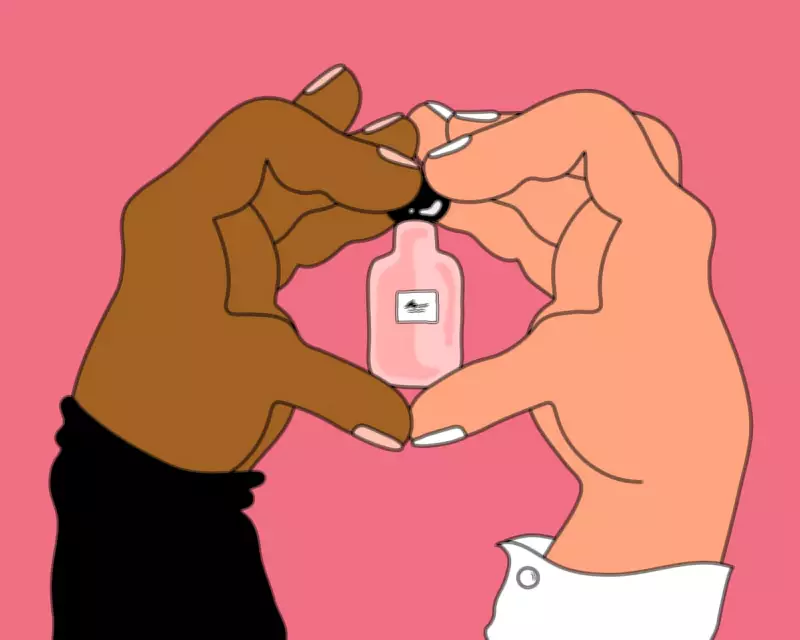
In an intimate dispute that has divided friends and sparked debate about personal identity, two best friends find themselves at odds over something as subtle yet significant as fragrance. Marta believes her signature scent should remain uniquely hers, while Elsa views wearing the same perfume as a natural expression of their close bond and shared tastes.
The Prosecution: Marta's Case for Scent Exclusivity
Marta argues passionately for maintaining her individuality through personal fragrance choices. "My individuality is extremely important to me," she explains. "I've always been protective of my appearance and style. When people ask where I bought something, it bothers me because I value being unique."
The conflict emerged when Marta purchased a distinctive perfume from a small French-owned website. When her best friend Elsa complimented the scent and announced she planned to buy the same fragrance, Marta felt her personal boundaries had been crossed.
"A personal scent is an intimate thing," Marta emphasizes. "It's not like clothing or makeup that you put on and take off. When someone hugs me and says they like how I smell, that's personal. Elsa wanting the exact same perfume feels like an erosion of my identity."
Marta sees her friend's desire to copy her fragrance as lazy, suggesting Elsa should do her own research to find a scent that reflects her individuality. She notes that she actively avoids copying Elsa's clothing or hairstyle out of respect for her friend's uniqueness.
"They've framed this as me being insecure," Marta says of Elsa and her boyfriend Ben, who sided with Elsa. "But wanting to feel distinct means I value the small things that make us who we are. In a world where algorithms push us toward sameness online, holding onto our individuality becomes increasingly important."
The Defence: Elsa's Perspective on Shared Joy
Elsa counters that perfume is meant to be enjoyed, not guarded as exclusive property. "I find it funny that Marta thinks we can't have the same scent," she says. "Perfume isn't private property—it's a product sold in shops to the general public. The idea that once Marta wears a scent it becomes off-limits to everyone in her social circle feels absurd."
Elsa acknowledges Marta's history of being defensive about people copying her style, noting that mutual friends have sometimes been offended by Marta's tendency to "gatekeep" her possessions. She views this behavior as slightly immature.
"If someone is copying your whole identity, fine—get annoyed," Elsa concedes. "But if it's just a perfume or clothing item, what's the problem? Perfume smells different on everyone anyway. Body chemistry, soap, and detergent all change how a scent settles."
Elsa emphasizes that after fourteen years of close friendship, having overlapping tastes seems natural. "Liking the same perfume doesn't mean I want to be her," she insists. "It means we have similar tastes. Perfume is meant to be enjoyed, not guarded. I think sharing joy is far more important than guarding uniqueness for its own sake."
The Guardian Readers' Verdict
A jury of Guardian readers offered diverse perspectives on the perfume dispute:
- Emily, 35: "Marta doesn't own the perfume, and reducing her identity to a scent is absurd. Most people won't even notice—no one else is thinking about us as much as we think they are!"
- Laura, 62: "Scents are subliminal sensory elements. I understand Marta—she invests time in her persona. But she did tell Elsa where the fragrance was from. Now she can take solace in being an 'influencer.'"
- Josh, 42: "Unless you extracted or blended that perfume yourself, your claim to it is flimsy. The hipster notion of 'authenticity'—buying obscure products 'before they were cool'—is as consumerist as any algorithmic trend."
- Victoria, 25: "Marta prizes her individuality but holds consumer choices as integral to her identity. This is shaky because when you buy your identity, someone else can buy it too. Identity should derive from what you do, not what you buy."
- Ani, 71: "Once a product is on the market, it's available to any member of the public. To suggest it's part of any single purchaser's identity is deluded. If Marta wants uniqueness, she needs a custom scent created just for her."
The Broader Implications
This perfume dispute raises larger questions about identity in consumer culture. How much of our individuality comes from purchased products versus personal qualities and actions? Can true uniqueness exist when most people buy mass-produced items? The tension between Marta's desire for distinctiveness and Elsa's celebration of shared experience reflects broader societal debates about authenticity and connection.
The Guardian invited readers to participate in an online poll asking whether Elsa should change her perfume, with results to be announced. Meanwhile, last week's poll about a different friendship conflict—whether Mabel should stop leaving clothes piles around the bedroom—resulted in 93% finding Mabel guilty of creating clutter.
This intimate conflict between best friends demonstrates how seemingly small matters can reveal fundamental differences in values. Whether viewed as a matter of personal boundaries or shared joy, the perfume dispute highlights the complex interplay between individuality and friendship in contemporary relationships.