The Backwards Baseball Cap: From JFK Jr's Signature to Modern Fashion Statement
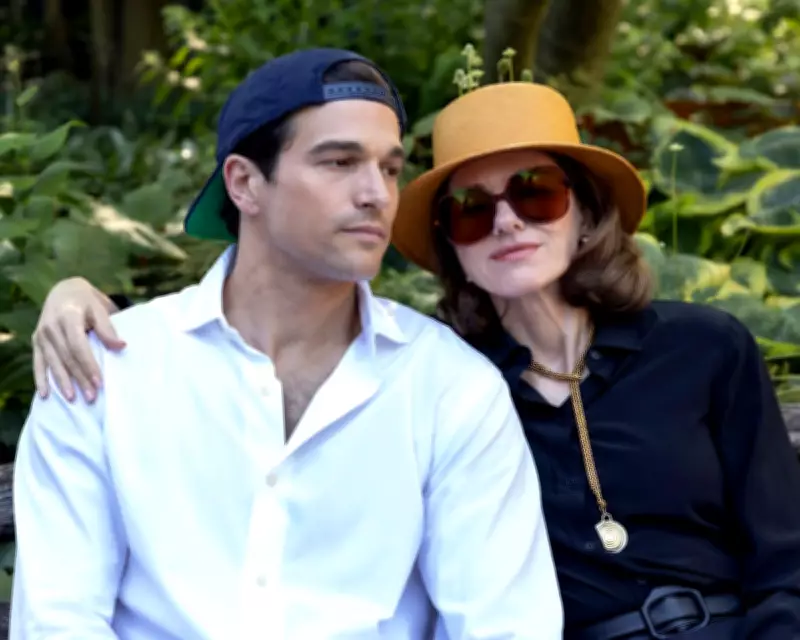
In the opening scenes of Ryan Murphy's new series Love Story: John F. Kennedy Jr and Carolyn Bessette, the character of Kennedy Jr is depicted wearing multiple caps, establishing a key element of his personal style. This wardrobe choice reflects a deeper fashion narrative that has resurfaced decades later.
A Symbol of Laid-Back Confidence
The backwards baseball cap, once dismissed as a juvenile 1990s accessory, has emerged as the latest shorthand for relaxed confidence in contemporary fashion circles. For Kennedy Jr, who faced constant media scrutiny and was nicknamed "The Hunk Who Flunked" by tabloids, the backwards cap served multiple purposes beyond mere headwear.
Unlike traditional forward-facing caps that might help someone go incognito, Kennedy Jr preferred wearing his caps backwards, pulling them down over his signature flop of lush black hair while keeping his full face visible. This became as much a part of his identity as Calvin Klein silk slip dresses were for his wife Carolyn Bessette.
Costume Design and Character Development
Costume designer Rudy Mance deliberately centered the character's backward caps from the beginning of the series. Kennedy Jr regularly offset traditional old-money signifiers like formal Armani and Calvin Klein suits, foulard ties, and tweed blazers with casually worn caps. This created a distinctive "high/low" fashion look that blended preppy elements with street chic.
James Lilliefors, author of Ball Cap Nation: A Journey Through the World of America's National Hat, explains: "JFK Jr adopted it, and adapted it, as a key aspect of his 'high/low' fashion look, giving it a kind of street chic and making this 'heir to Camelot' both cool and relatable."
The Modern Resurgence
Nearly three decades after Kennedy Jr's death, the backwards cap is experiencing a significant revival. Pinterest mood boards and social media platforms are flooded with images of the couple that millennials and Generation Z are using as styling inspiration. One particularly popular photograph from 1996 shows the couple strolling down a Manhattan sidewalk, with Bessette in a grey slip dress and Kennedy Jr in a formal black suit paired with a green backwards cap.
Social media captions reflect this renewed fascination, with users posting comments like "All my problems fade away when I see a man in a backwards cap" and documenting their partners' style transformations with the simple flip of a cap.
Historical Roots and Cultural Evolution
While 1990s nostalgia drives much of the current revival, the backwards cap has deeper historical roots. During the 1800s, American baseball catchers wore their caps backwards for practical reasons—to accommodate catcher's masks while still protecting their heads from sun exposure during long games. By the 1990s, Seattle Mariners player Ken Griffey Jr had made it his dugout signature.
In popular culture, Will Smith's character in The Fresh Prince of Bel-Air helped popularize the style with denim and pastel-colored caps that captured an easy yet rebellious aesthetic. Around the same period, hip-hop artists including Jay-Z and Limp Bizkit's Fred Durst were rarely seen on MTV without their signature backwards caps.
Contemporary Celebrity Adoption
Today's celebrities have enthusiastically embraced the flip-and-reverse method. Timothée Chalamet recently wore a black backwards cap embroidered with Bob Dylan lyrics while promoting his film The Complete Unknown. Bad Bunny, the Super Bowl's latest halftime star, frequently wears backwards caps both on and off stage.
Kendrick Lamar has championed the look since topping his Chanel ensemble at the 2023 Met Gala with a 1990s-style cap from American brand Starter. Even high fashion runways have embraced the trend, with Ralph Lauren recently presenting models in brightly colored cotton caps deliberately styled backwards during a Milan show, displaying the Polo logo only from behind.
Beyond Baseball Caps
With baseball caps now ubiquitous—seen everywhere from coffee shops to boardrooms, and featured prominently in television shows like Succession and Industry—the move toward backward styling represents a desire to evolve the trend beyond the status quo. This simple, affordable style update requires just one flip and the confidence to pull it off, making it accessible while maintaining its association with cool, laid-back sophistication.
The backwards cap's journey from practical sports gear to Kennedy Jr's signature accessory to contemporary fashion staple demonstrates how personal style can transcend generations while maintaining its cultural relevance and symbolic power.