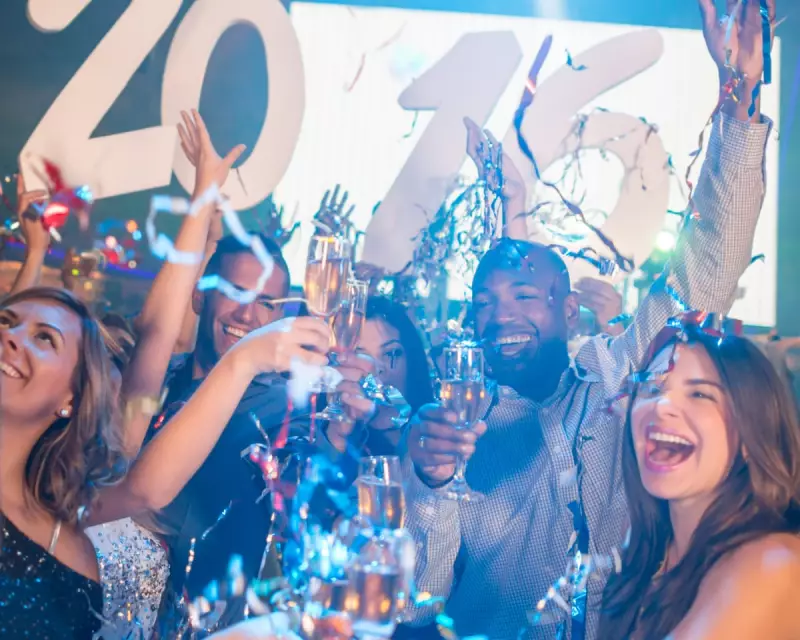
A new viral movement sweeping TikTok is urging young people to turn back the clock, with users championing a campaign to 'Bring Back 2016' and live 2026 as if it were a decade prior. The trend, populated primarily by gen Z, is a whirlwind of nostalgia for the fads, filters, and carefree internet culture of that specific year.
What Does 'Bring Back 2016' Actually Mean?
The trend's content is a concentrated dose of mid-2010s pop culture. It glorifies the mannequin challenge and dances like the dab, alongside tech crazes such as the global phenomenon Pokémon Go and Snapchat's iconic puppy filter. Fashion and beauty from the era are being resurrected, with tutorials tagged as '#vintagemakeup' much to the chagrin of older millennials.
More than just a checklist of trends, the movement romanticises a perceived simplicity of online life. It recalls a time before highly produced content, where 'vintage film' filters like Instagram's Mayfair were king, and existing on the internet didn't feel like a constant exercise in personal branding. For many American creators, it also represents a prelapsarian era before the deeply divisive politics that followed.

The Bittersweet Reality Behind the Trend
While romanticising bygone eras is a standard part of youth culture, a poignant and arguably sadder narrative emerges from this particular wave of nostalgia. Unlike fetishising the 1980s or 1970s, the gen Z users driving this trend were actually there for 2016. Their captions, filled with phrases like '#thegoodolddays' and 'the best year of our lives', suggest something deeper than retro fun.
For this generation, 2016 is increasingly framed as the last 'good' year—a final chapter of optimism before a cascade of 'unprecedented times'. Heartbreakingly, posts reminisce about the 'crazy' idea of strangers talking to each other during Pokémon Go walks, highlighting a perceived loss of communal joy. The underlying sentiment that people in their mid-20s feel their peak has passed is, as writer Coco Khan notes, 'very depressing'.
A Call for a Kinder Digital Future
The question remains: what can be done? While systemic issues like the housing market and student debt are monumental, the article suggests there is one area where everyone can contribute: making the internet a kinder place.
The proposal is to lead by example. This means offering public praise, refusing to engage in cruel online pile-ons, and embracing a more playful, unpolished, and even 'cringe' authenticity online. The goal shouldn't be to make 2026 exactly like 2016, but to 'Make 2026 2026'—a year worth remembering for its own positive merits. The final plea is for a collective effort to foster a digital environment that future generations won't feel the need to escape through nostalgia.