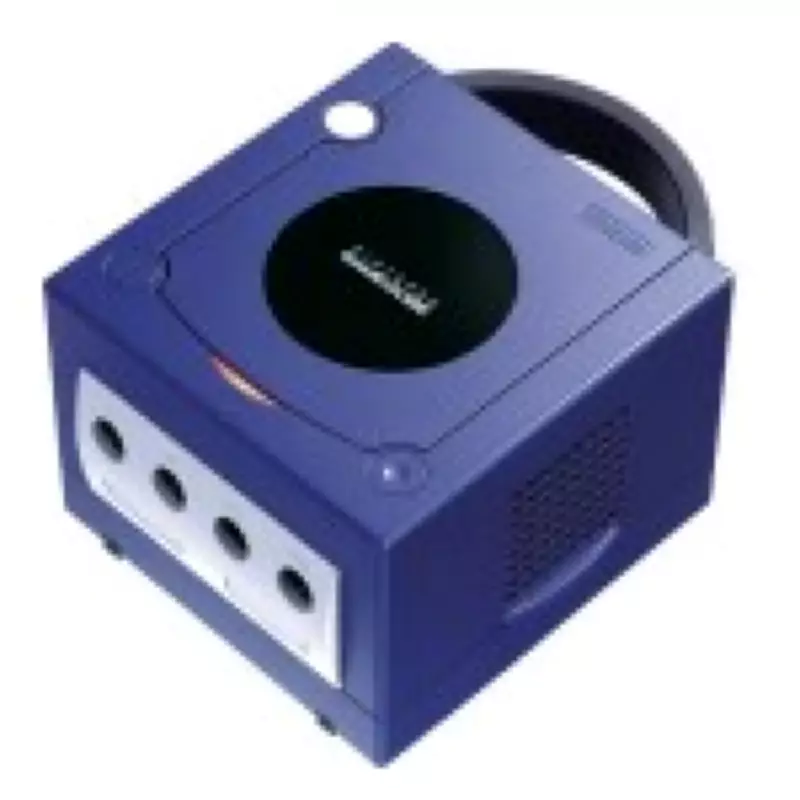
The Unlikely Love Affair with Nintendo's Purple Lunchbox
In the pantheon of video game consoles, the Nintendo GameCube often occupies an awkward middle ground—overshadowed by its predecessor's revolutionary impact and its successors' commercial triumphs. Yet for one dedicated gamer, this peculiar purple cube represents something far more significant than mere hardware specifications or sales figures.
A Console That Felt Truly Personal
The emotional connection began in 2002 when the GameCube arrived as a tenth birthday present. Unlike shared family consoles, this device resided exclusively in a personal bedroom sanctuary, creating an intimate gaming experience free from sibling interference. This ownership transformed the console from a household appliance into a private retreat where gaming sessions could unfold according to personal whims rather than negotiated schedules.
The physical design itself contributed to this unique relationship. The distinctive lunchbox-like form factor, complete with carrying handle, suggested portability and personal ownership in ways that traditional console designs never managed. Even the startup sequence became a cherished ritual, with the option to hold the Z button for alternative jingles adding playful customization to every power-up.

The Strange Dichotomy of GameCube Software
Nintendo's console presented a fascinating software dichotomy that few platforms have managed to replicate. On one hand, players enjoyed family-friendly platformers and sports titles featuring Mario, Donkey Kong, and other iconic Nintendo mascots. These cheerful adventures represented the company's traditional strengths—colorful, accessible entertainment suitable for all ages.
Yet occasionally, this sunny landscape would be invaded by exclusive Resident Evil titles that drenched the cheerful atmosphere in genuine horror. This unexpected contrast created a console personality that felt genuinely multifaceted, capable of delivering both lighthearted platforming and genuine terror within the same hardware ecosystem.
The Experimental Spirit That Defined an Era
Beyond mainstream titles, the GameCube became a playground for experimental gaming concepts. Both first-party Nintendo developers and third-party studios used the platform to explore unconventional ideas that might have seemed too risky on more commercially-focused systems. This willingness to embrace creativity over convention resulted in a library that felt genuinely diverse, even when individual titles didn't achieve blockbuster status.
The console's controller design—with its distinctive button layout and analog triggers—further encouraged this experimental approach, offering developers unique input options that inspired innovative gameplay mechanics across multiple genres.
Acknowledging the Technical Step Backward
Despite this affection, our reader acknowledges the GameCube's technical limitations compared to its predecessor. The Nintendo 64 had established new standards for 3D gaming with groundbreaking titles that defined a generation. By comparison, the GameCube often felt like a consolidation rather than an advancement, particularly in specific franchise transitions.
The Pokémon series exemplified this regression. Where the N64 offered Pokémon Stadium, Pokémon Stadium 2, and the photographic adventure Pokémon Snap, the GameCube delivered Pokémon Colosseum and Pokémon XD: Gale of Darkness. While competent games in their own right, they failed to capture the magic of their predecessors, coinciding with—and perhaps reflecting—the broader decline in Pokémon's cultural dominance during that period.
The Wrestling Franchise's Disappointing Transition
Sports entertainment titles followed a similar downward trajectory. The N64's wrestling games—particularly WWF WrestleMania 2000 and WWF No Mercy—represented the pinnacle of virtual sports entertainment, capturing the energy and spectacle of professional wrestling's Attitude Era.

Their GameCube successors never reached these heights. WrestleMania X8 proved disappointing from the outset, while WrestleMania XIX offered only marginal improvements despite its ambitious Revenge Mode. The Day of Reckoning games provided solid gameplay foundations but lacked crucial features like title defenses in Exhibition mode or complete roster availability in story campaigns.
Why Imperfection Sometimes Creates Stronger Bonds
This paradoxical relationship—acknowledging technical and qualitative shortcomings while maintaining deep affection—forms the heart of the GameCube appreciation. The console's quirks, from its unconventional design to its experimental software library, created a personality that more polished systems often lack.
In an industry increasingly focused on graphical fidelity and online connectivity, the GameCube represented a final moment of console individuality before standardization took hold. Its limitations became part of its charm, its experimental failures as memorable as its successes, and its distinctive identity more compelling than technical superiority.
The Enduring Legacy of an Underdog Console
Two decades after its release, the Nintendo GameCube occupies a unique nostalgic space. It wasn't the most powerful system of its generation, nor did it boast the most impressive software library. Yet for those who formed personal connections with its distinctive purple casing and eclectic game collection, it represents something more meaningful than technical specifications.
It embodies the console as personal companion rather than entertainment appliance, as creative playground rather than commercial product, and as imperfect friend rather than flawless machine. In an age of increasingly homogenized gaming experiences, that distinctive personality ensures the GameCube remains fondly remembered long after more successful consoles have faded from memory.