Ramadan 2026: Potential Split Start Dates for Fasting in UK and Saudi Arabia
Astronomers are forecasting that Ramadan in 2026 could see fasting commence on separate days in the United Kingdom and Saudi Arabia, introducing a notable divergence in the observance of the holy month. This potential split hinges on the traditional practice of moon sighting, which determines the beginning of Ramadan based on the visibility of the new crescent moon.
Astronomical Predictions and Visibility Challenges
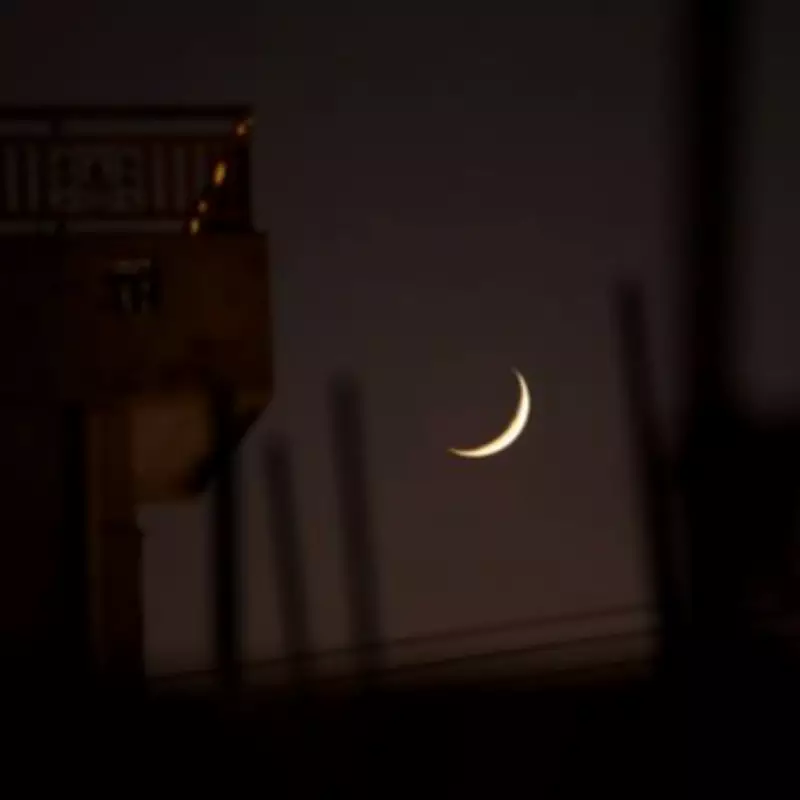
The astronomical new moon is scheduled to emerge at 12:01 Universal Time on Tuesday, 17 February 2026. However, scientific data indicates that the slender crescent will likely only be visible in remote Pacific regions, such as the Hawaiian Islands and parts of French Polynesia. These areas are far from major Islamic population centres, complicating the global sighting process.
UK astronomers from the HM Nautical Almanac Office have projected that the moon will not be observable with the naked eye in Mecca on February 17. It is only on Wednesday, February 18, that the crescent is expected to become "easily visible" across Saudi Arabia. Under conventional Islamic rules, if the moon is sighted on the 18th, fasting would most probably begin on February 19, following the completion of a 30-day month for Shaban to ensure full observance of the lunar cycle.
Saudi Arabia's Official Calendar and Potential Announcements
Despite these visibility forecasts, Saudi Arabia's official Umm al-Qura calendar has already predicted that Ramadan will start on February 18. This administrative tool is widely used for government planning and public holiday schedules throughout the Kingdom. Experts suggest that Saudi officials might still announce a moon sighting on the evening of February 17 to align with this calendar and uphold its perceived accuracy. Such a declaration would result in fasting commencing on Wednesday, February 18, for those adhering to Saudi proclamations.
Implications for UK Congregations and Global Observance
The likelihood of a split start to Ramadan remains significant, as many UK congregations and other nations may opt to wait for local moon sightings. If the moon remains invisible in Britain or Morocco until February 18, these communities are expected to begin fasting on February 19. This divergence highlights the ongoing debate surrounding the Umm al-Qura calendar, which relies on astronomical calculations rather than actual visual verification. Critics argue that this approach can sometimes lead to declarations that are impossible to confirm with the naked eye.
Ultimately, the final decision will be made by the Saudi Crescent Sighting Committee, which will review accounts from across the kingdom. Muslims worldwide will be closely monitoring the official pronouncement from Saudi authorities, set to be determined on the evening of 17 February. While individuals are typically encouraged to seek the moon in their own countries, some UK congregations, such as Green Lane Masjid in Birmingham, follow Saudi declarations due to the nation's status as home to Islam's holiest sites.
This potential split underscores the intricate balance between tradition, science, and global religious unity during Ramadan, with 2026 poised to be a year of heightened attention to lunar observations and community practices.