This month, to mark World Press Freedom Day, the Guardian has been highlighting the growing threats to journalists around the world, particularly those working in conflict zones and under authoritarian regimes. Today, I'd like to share some thoughts on the specific dangers faced by female reporters. We cannot talk about press freedom without addressing misogyny.
The Pervasiveness of Gendered Attacks
This problem is not unique to the media. Gendered attacks are commonplace for those in the public eye, be they performers, politicians, or company bosses. The more high-profile the woman, the more likely she is to be targeted, online and in person. It is a subject I have confronted as a reporter. Among the assignments that have affected me most deeply are the investigations I have published in the Guardian about the deaths of two brilliant female journalists, killed for doing their jobs.
Case Study: Daphne Caruana Galizia
In 2017, Daphne Caruana Galizia was murdered after investigating corruption at the highest levels of government in her home country of Malta. She was killed by a car bomb near her home. The violence of the act, and the fact that it had taken place in an EU member state, sent shockwaves through Europe. To the husband and three sons she left behind, however, it did not come as a surprise. Caruana Galizia had been subjected to threats and harassment for years. Shortly before her death, she had spoken about what she and her family had endured. This included an arson attack on their home and the killing of family pets – one dog had its throat slit. The ruling party had used her face in political attack posters. On social media, she was repeatedly referred to as 'the witch.' Almost nine years after her death, a powerful businessman charged with complicity to kill Caruana Galizia is still awaiting trial after pleading not guilty.
Case Study: Viktoriia Roshchyna
More recently, I wrote about the Ukrainian reporter Viktoriia Roshchyna. Arbitrarily detained in 2023 while investigating war crimes in the occupied territories, she endured unimaginable suffering and died in a prison deep inside Russia, aged 27. Her body, when it was returned in a prisoner exchange, showed numerous signs of torture. As a woman on the frontline, Roshchyna was particularly at risk. Like her female colleagues, she would have faced the dual threats of gender-based, sexualised violence on top of the already significant perils of covering a conflict where the aggressor, Russia, has systematically targeted journalists, in flagrant defiance of humanitarian law.
Online Violence and Its Real-World Impact
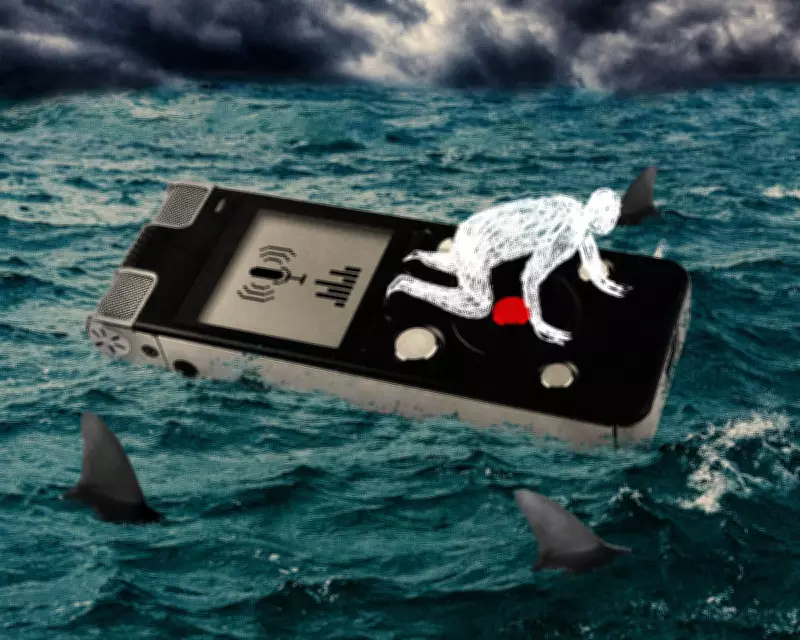
A study of Ukrainian women in media published last year with support from Unesco found 81% of participants had experienced some type of online violence, with 14% saying threats against them had moved from the digital sphere into the physical world. Trolling, disinformation, cyberstalking, doxing, threats of sexual violence, image distortion, and revenge porn are just some of the methods used. The most common forms of harassment include misogynistic and sexist speech – words like 'journawhore' – as well as defamation aimed at harming a reporter's professional reputation.
The problem is worldwide. In a global survey of women journalists, also published with Unesco, 42% of respondents said online attacks had triggered real-world abuse, harassment, or assault. This was more than double the figure in 2020.
Political Instigators and High-Profile Cases
Political activists and leaders have been some of the biggest instigators of online attacks against women journalists. Politically motivated abuse also takes place in person. Last year, Donald Trump cut off a female reporter for Bloomberg News when she tried to ask a question about the Epstein files, pointing his finger at her and saying: 'Quiet. Quiet, piggy.' Days later, he publicly insulted a reporter from ABC News.
Women covering certain topics are more likely to experience abuse. War reporting, criticising the authorities or the military, and investigating corruption and crime carry the most risks. Another danger zone – and this is true around the world – is writing about feminism and sex and gender rights.
The Chilling Effect and Weaponisation
Gendered attacks are depressingly effective. They have a chilling effect, leading women to self-censor or simply leave the profession. This matters particularly in Ukraine, where conscription of fighting-age men means that more than three-quarters of journalists are now women. The quality of information available to the public risks being damaged – at a time when the facts matter more than ever. And there is evidence online attacks are being used as a weapon of war, with coordinated pile-ons by pro-Russia bots and trolls. Take Olha Kyrylenko, Roshchyna's colleague at the newspaper Ukrainska Pravda. One commenter dismissed her as 'a bitch in a helmet' after she published a film from a city captured by the Ukrainian army on YouTube, while others have questioned her intelligence and her competence.
The rise of social media, combined with a backlash to the surfacing of women's stories by the #MeToo movement, has only led to more of the same. 'There is a before and an after #MeToo,' says Anne Bocandé, editorial director at Reporters Without Borders (RSF). 'It led to increased awareness of women's rights and better coverage of gender-based violence. But this progress comes with risks. Covering these issues, or sometimes simply being a woman journalist, remains dangerous.'
Notable Cases of Online Harassment
Among the worst cases flagged by RSF are those of Kiki Mordi, who was forced to relocate and largely pause her reporting after her 2019 investigation into sexual harassment in higher education in Nigeria and Ghana; Jovanna Mariám Garcón, in Guatemala, who was threatened online, including with rape, after covering International Safe Abortion Day; and the Washington Post columnist Rana Ayyub, who received more than 200 calls and obscene messages after her phone number was published on X by an account associated with Hindu nationalists. Her image was also used for a pornographic deepfake, and her identity documents and passwords were shared online. Ayyub's response was defiant, telling her attackers: 'I ain't going anywhere. Thank you for making me realise that my work is making an impact.' But the reality is that even the brave cannot emerge unscarred. Some pay with their lives.
Responsibilities and Conclusion
Social media platforms are clearly failing to operate safe spaces. Employers also have a responsibility to protect women against this kind of harassment and abuse. And, of course, we can all speak out and support someone when we see them come under attack. The Guardian is able to investigate these attacks on female journalists and stand up for the free press generally, thanks to our supporters who back our work.