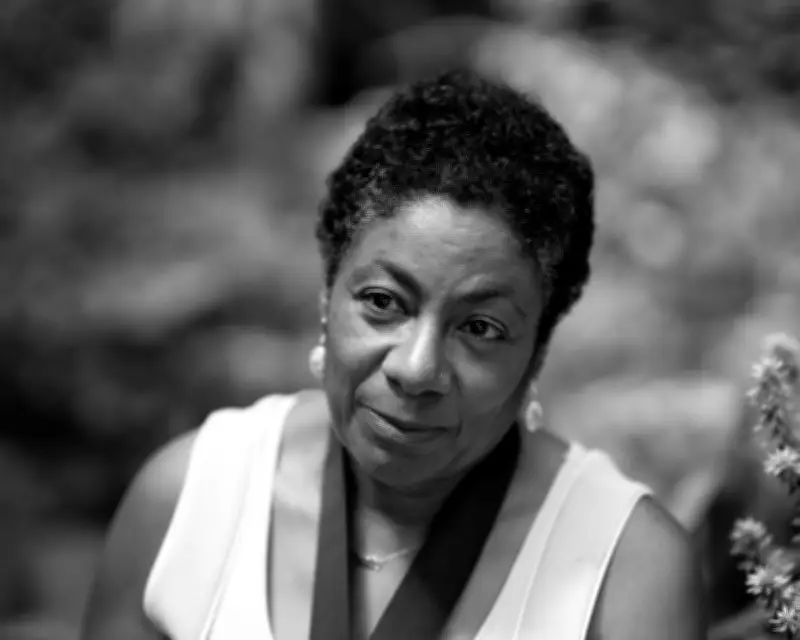
Patrice Lawrence has been appointed as the UK's 14th children's laureate, a role that positions her to address pressing issues in children's literature and the reading habits of young people, particularly teenage boys. The author of the bestselling young-adult novel Orangeboy is seen as ideally suited to tackle the crisis of teenage masculinity and reading, according to a Guardian editorial.
A Voice for Vulnerable Children
Lawrence, who spent the first four years of her life fostered by a white family, has pledged to put the most vulnerable children at the heart of her two-year tenure. Her appointment comes at a time when statistics show that teenage boys are the least likely to read for pleasure. Lawrence has spoken about her desire to write lovely young men of colour, exploring what makes good people do harmful things. Her novel Orangeboy tells the story of 16-year-old Marlon, caught in a world of drugs and violence, addressing gang culture and current anxieties about boys growing up.
Representation and Realism in Children's Fiction
Lawrence cites former children's laureates Malorie Blackman and Jacqueline Wilson as inspirations. Both have highlighted the lack of black authors and characters in children's fiction, while Wilson noted the absence of books about working-class families. Lawrence continues this tradition of social realism, reflecting challenges like blended families, bullying, mental health, and teenage relationships. Her work, including the fantasy series The Elemental Detectives, also sparks imagination, but she emphasizes that social realism has an important place on children's bookshelves, comparing Orangeboy to a 21st-century Oliver Twist.
The Reading Crisis and Diversity
The outgoing children's laureate, Frank Cottrell-Boyce, campaigned on the importance of shared early reading. Engaging teenage boys is an even greater challenge. While diversity in publishing has improved, especially after Black Lives Matter, representation in children's books has declined again in recent years. Lawrence's appointment comes at a time of great social division and fear, making her an ideal successor. She writes in the preface to a new 10th anniversary edition of Orangeboy: 'I hope that I've encouraged children and young people who may never have felt seen to understand that their lives and their stories are valued and important.' Now she has a bigger platform to reach young readers.