Olivia Colman's Personal Gender Reflections Ignite Media Controversy
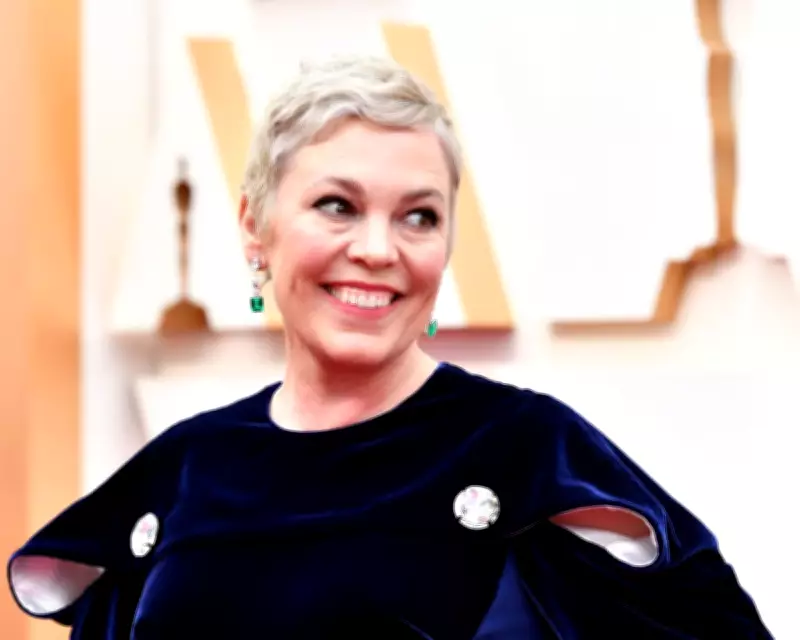
Academy Award-winning actress Olivia Colman has found herself at the center of Britain's culture wars following recent comments about her personal gender identity. In an interview with American LGBTQ+ publication Them, Colman revealed she has "always described myself to my husband as a gay man" and has "never felt massively feminine in my being female."
The Interview That Started the Firestorm
During the promotional interview for her new film Jimpa, where she plays the mother of a non-binary teenager, Colman elaborated on her connection to LGBTQ+ roles throughout her career. "Throughout my whole life, I've had arguments with people where I've always felt sort of nonbinary," she explained. Her husband's response to her self-description as a gay man was simple: "Yeah, I get that."
What might have been a personal reflection quickly became headline material across British media outlets. The Telegraph questioned whether Colman had become "the most insufferable Left-wing celebrity in Britain," while UnHerd published a scathing critique accusing her of committing "a drive-by erasure of the homosexual male experience" and serving as "a handmaiden in the contemporary rebirth of anti-woman logic."
A Different Perspective from Within the Community
Jason Okundaye, assistant Opinion editor at the Guardian and a gay man himself, offers a contrasting viewpoint. "As a gay man, I read Colman's comments and felt something more like relief," he writes. Okundaye shares his own experiences with gender fluidity, noting he's sometimes referred to himself as "my mother's only daughter" and comfortably participates in predominantly female social gatherings.
"I know that I am a man – just like, I'm sure, Colman knows that she is a woman," Okundaye acknowledges. "But the truth is that many, if not all of us, experience moments of disorientation around gender or think about how ridiculous the whole system of categorising identities is."
The Broader Cultural Conversation
Okundaye references gender theorist David Halperin's work in How to Be Gay, which argues that gayness extends beyond sexual orientation to include cultural practices and identities that anyone might participate in. "Gayness is more than just who you have sex with, it is also 'something you do,'" Halperin writes, suggesting this "means that you don't have to be homosexual in order to do it."
This perspective challenges rigid identity categories and opens space for what Okundaye calls "an expansive view of identity that isn't simply reduced to core biological functions and urges." He points to his own appreciation for Madonna's music, particularly her song What It Feels Like for a Girl, as an example of cross-gender empathy and identification.
Beyond the Celebrity Soundbite
While some critics dismiss Colman's comments as vacuous celebrity talk or privileged posturing, Okundaye argues they serve a valuable purpose regardless of intent. "However seriously Colman meant her comments, they have an important effect – making us all think about the ways in which gender shows up in our lives as a silly, messy and contradictory prism for understanding ourselves."
The controversy highlights ongoing tensions in British society regarding gender expression and identity politics. Okundaye suggests we should create more space for discussing "experiences of campness, butchness, femininity and masculinity" without fear of criticism or dismissal.
"We should be able to express the feeling that we're something other than what we've been categorised as," he concludes, directly addressing Colman: "Ignore the cynics: remember that, just like your husband, many of us heard your words and thought: yeah, I get it."
The episode demonstrates how personal reflections on gender identity continue to provoke strong reactions in Britain's polarized media landscape, while also revealing generational and ideological divides in how society approaches questions of identity, expression, and belonging.