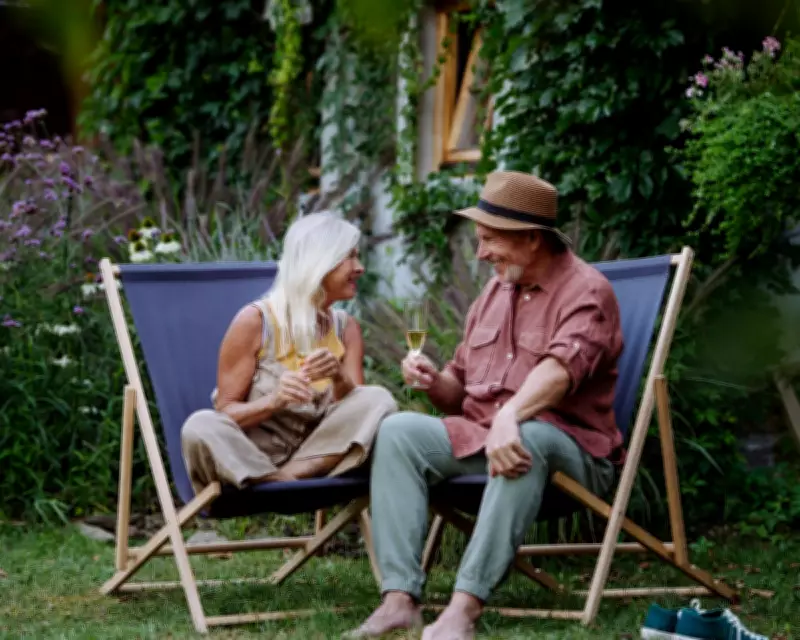
Older Australians Redefine Love Beyond Traditional Marriage
As Valentine's Day approaches, the cultural landscape remains saturated with images of youthful romance—roses, chocolates, and glossy advertisements featuring young couples. However, this portrayal is not only exclusionary but profoundly disconnected from the evolving realities of love in contemporary Australia. Love has long been depicted as a pursuit of the young, from classic tales like Romeo and Juliet to modern stories like Normal People, suggesting that romantic fulfillment should be secured early in life. Yet, this narrative is increasingly out of step with how Australians are actually living, negotiating, and reimagining love today.
The Rise of Grey Divorce and Shifting Expectations
In Australia, individuals over 50 represent one of the fastest-growing cohorts actively seeking love or rethinking intimacy, partnership, and companionship in the second half of life. This shift is structural, not marginal. New research indicates that close to a third of Australian divorces now occur after age 50, a phenomenon known as "grey divorce." While overall divorce rates have declined since the 1990s peak, separations among those over 50 have bucked this trend.
Drivers include empty nest syndrome, financial pressures, and retirement adjustments, but beneath these factors lies a deeper recalibration of expectations about happiness, fulfillment, and selfhood later in life. For many, the end of a long marriage is not a failure but a reset, challenging the notion that love expires with age.
Women Seeking Connection Without Cohabitation
Research reveals that older Australians, particularly women in their 50s, are approaching love differently. Many seek connection and companionship without cohabitation, reluctant to merge households, take on unpaid caring roles for new partners, or risk financial entanglements that could jeopardize hard-won stability. This is not emotional coldness but structural realism.
After decades of gendered labor—such as caregiving, part-time work, or interrupted careers—many women enter later life with less superannuation, fewer assets, and greater financial vulnerability. Coupled with rising rates of homelessness among older women, the romantic ideal of "starting over" through shared property or pooled finances appears more like a risk than an expression of love.
Dating Landscape and Adaptation
The dating landscape for over-50s has been transformed by technology, with apps introducing a buffet of possibilities but also a swipe-and-discard logic that can feel alienating. Despite this upheaval, many older Australians report contentment with single life, particularly women, who cite independence, peace, and personal space as key benefits. This does not signal a retreat from love but a redefinition of it.
Cultural shifts are emerging, with programs like The Golden Bachelor drawing large Australian audiences, indicating a hunger for romantic stories that do not center youth. As Generation X moves into their 50s and 60s—a generation known for rebranding parenting and ageing—they are unlikely to accept inherited scripts about love without revision.
Redefining Love for the Future
The challenge now is to align cultural narratives with social realities. Love does not expire at 40, romance is not invalidated by divorce, and intimacy does not require cohabitation, financial merger, or lifelong sacrifice. For a growing proportion of Australians, love in later life is about alignment rather than aspiration, companionship rather than completion. Love does not belong exclusively to the young, and rebranding it to reflect diverse experiences will benefit society as a whole.