Navajo Nation's Cultural Resilience: Preserving Heritage Amid Modern Challenges
The Navajo Nation, home to the Diné people, spans 27,000 square miles across New Mexico, Arizona, and Utah, standing as the largest Native American reservation in the United States. This community exemplifies remarkable resilience in the face of a rapidly evolving cultural landscape and numerous threats to its ancestral heritage. Despite enduring challenges such as inadequate housing, unreliable infrastructure, and limited access to technology, both elders and the younger generation are actively working to safeguard their rich cultural identity and traditions.
Historical Trauma and Language Decline
The legacy of colonialism has left deep scars on Navajo culture, with forced assimilation policies historically suppressing traditional practices. Virginia Brown, a 69-year-old elder, recounts her traumatic experience in boarding schools, where speaking Navajo was punished harshly. This has created a generational gap in knowledge, contributing to a decline in language fluency. UNESCO now classifies Navajo as a vulnerable language, noting a 3.4% decrease in speakers in recent years. In response, schools like Holbrook High School have implemented programs to teach the language and culture, aiming to reverse this trend and keep heritage alive for future generations.
Youth Engagement and Modern Influences
Many young Navajo individuals express concern over cultural erosion, citing the pervasive influence of social media and dominant cultural narratives. At a local skate park in Tuba City, 14-year-old Victoria voices frustration, stating that peers are often consumed by digital platforms rather than engaging with their own traditions. However, this narrative is countered by those who actively uphold their heritage. For instance, Drake Mace, a 40-year-old shepherd and weaver, maintains traditional crafts by herding Navajo-Churro sheep and weaving intricate rugs on a vertical loom, skills passed down from his grandmother. He emphasizes that these practices keep him connected to his roots and ancestors.
Infrastructure Challenges and Adaptation
Approximately 30% to 40% of Navajo households lack running water, forcing residents to haul water from public sources and sometimes leading families to relocate from ancestral homesteads. Despite these hardships, individuals like Tara Seaton, 48, demonstrate adaptability by blending traditional lifestyles with modern technology. Living on the reservation in Dilkon, Arizona, she works remotely for Texas State University using Starlink internet, allowing her to maintain cultural practices such as horseback riding while accessing economic opportunities. This fusion represents a best of both worlds approach, enabling cultural preservation alongside contemporary living.
Sacred Ceremonies and Spiritual Practices
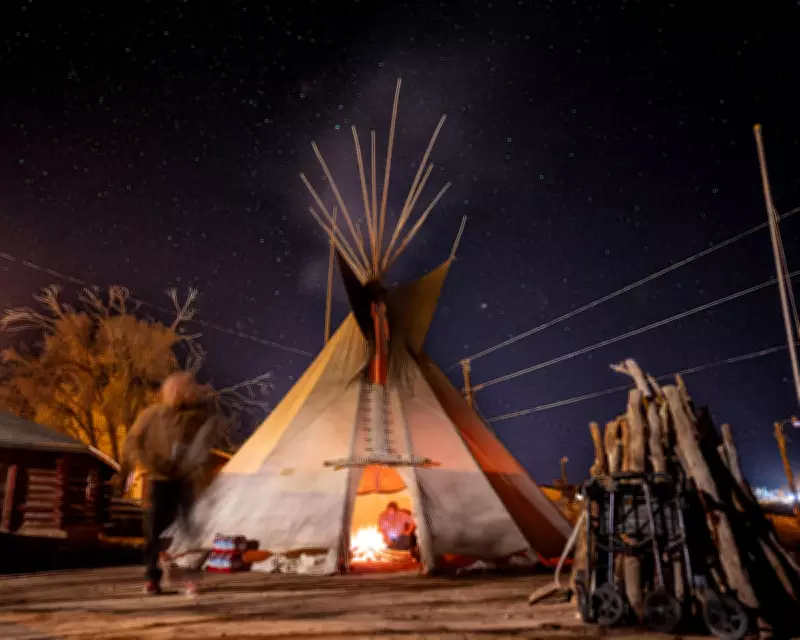
Sacred ceremonies are integral to Navajo culture, focusing on restoring universal balance, known as Hózhó. These rituals, often held in hogans or tipis, include peyote ceremonies—all-night spiritual gatherings using the hallucinogenic cactus as a sacrament to communicate with the Great Spirit. Jonus Yazzie, 70, hosts such ceremonies in Window Rock, the Navajo Nation capital, to provide healing and support for community members facing difficulties. His nephew Tom, 53, reflects on the evolution of traditional values, noting that while practices may change, the core of Navajo identity remains strong and resilient.
Cultural Revival Through Dance and Education
Native American dance groups, such as the Diné Tah Navajo dance troupe, play a crucial role in cultural revival by performing at schools and public events. Shawn Rice, the troupe leader, highlights the healing power of these dances, which reconnect younger generations with their heritage and evoke emotional responses from elders who have long missed such traditions. Additionally, educational initiatives extend beyond language classes to include traditional games and crafts, fostering a holistic approach to cultural preservation. Ira, Virginia Brown's son, exemplifies this commitment by mentoring youth, promoting indigenous farming cooperatives, and ensuring his children are fluent in Navajo, thereby carrying the torch of Hózhó into the future.
Diaspora and Thriving Beyond Borders
The Navajo culture is no longer confined to the reservation, with practices like weaving, silversmithing, and language use being preserved by those living in border towns. This diaspora helps sustain traditions in new environments, demonstrating that cultural vitality can thrive beyond geographic boundaries. As Ira poignantly concludes, Our elders used to say they were surviving. But now we get to say we are thriving. This sentiment underscores the ongoing efforts to cherish and revitalize Navajo heritage, ensuring it endures for generations to come.