Muslims in London Defend Public Faith Practices Amid Political Controversy
On a bustling Friday morning, thousands of worshippers filled the Baitul Futuh mosque in south London, one of Europe's largest Islamic centers, to celebrate Eid al-Fitr and mark the end of the holy month of Ramadan. The joyous festivities, however, unfolded against a backdrop of political turmoil that has sparked debates over religious expression and national identity in the United Kingdom.
Political Rhetoric Sparks Outcry
Earlier this week, Nick Timothy, the shadow justice minister, ignited controversy by claiming that public Islamic prayers during Ramadan are intimidating, un-British, and an "act of domination." This statement followed a Ramadan event in London's Trafalgar Square, which has occurred five times previously without incident. Reform Party leader Nigel Farage echoed similar sentiments, describing the event as an attempt to "intimidate and dominate our way of life." These comments have drawn sharp criticism from community leaders and legal experts, who warn of a dangerous shift in political discourse.
Community Response: Diversity as Strength
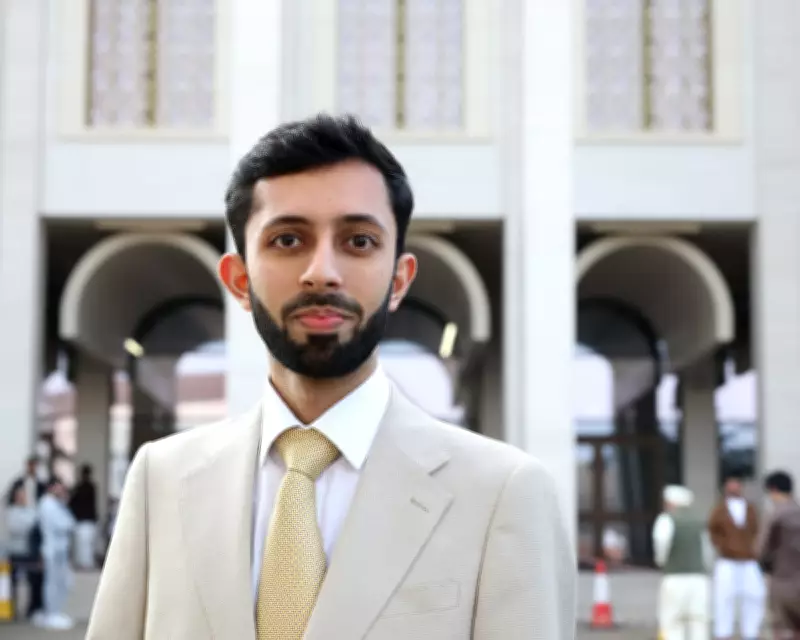
Taufique Ahmad, a 22-year-old legal intern and member of the mosque's press team, expressed deep concern over the "harsh and potentially harmful language" directed at Muslims. Standing outside the Baitul Futuh mosque, Ahmad emphasized that religious diversity enhances, rather than threatens, British identity. "The British identity is such a strong thing that it's not fragile enough that you see a glimpse of diversity and you'll wither away and shatter," he said. "At least my British identity is that strong that if I see other communities practising their faith publicly and peacefully, if anything it makes me feel more British."
Political Divisions and Real-World Impacts
The controversy has exposed divisions among UK party leaders. While Conservative Party leader Kemi Badenoch defended Timothy's remarks as "defending British values," Labour leader Keir Starmer accused the Conservative Party of "having a problem with Muslims." Prime Minister Rishi Sunak's subsequent statements have been met with mixed reactions from the Muslim community, with many fearing that such political leverage could translate into real-world harm. In response to rising hate crimes, the government recently adopted an anti-Muslim hostility definition to combat prejudice and discrimination.
Personal Experiences and Resilience
Taahir Ahmad, a 35-year-old streamer from Morden, reflected on growing up as a Muslim in post-9/11 Britain. "It was horrifying," he recalled. "I was the only brown kid at my school at the time, and kids being kids, they blamed me for everything and what not, it was kind of traumatic." He views the current political rhetoric as a tactic to cause chaos and division, urging leaders to attend community events to witness their peaceful nature firsthand. "If you target a certain ethnicity or religious group, you are isolating them and what you're trying to do is organise the public to go against those people," Ahmad added.
Broader Public Sentiment vs. Political Views
Michelle Rahman, an NHS worker and youth leader at the Baitul Futuh mosque, believes the views of a few politicians do not reflect broader public opinion. As a practising British Muslim woman from east London, she expressed disappointment but maintained faith in societal unity. "We expect our politicians to hold unity in society, so how do I look at it? Disappointed. But what I don't see is that that defines the United Kingdom," Rahman said. "That is not the opinion of the masses. There's been division throughout society and I see this as just one of those events, but actually it's not a representation of the broader community."
Looking Ahead: Faith and Identity in Modern Britain
As Eid al-Fitr celebrations continue across the UK, the debate over public religious expression highlights ongoing tensions between political narratives and community realities. Muslims in London and beyond are asserting their right to practice their faith openly, arguing that such diversity is integral to a robust and inclusive British identity. The incident underscores the need for dialogue and understanding in an increasingly polarized political landscape.