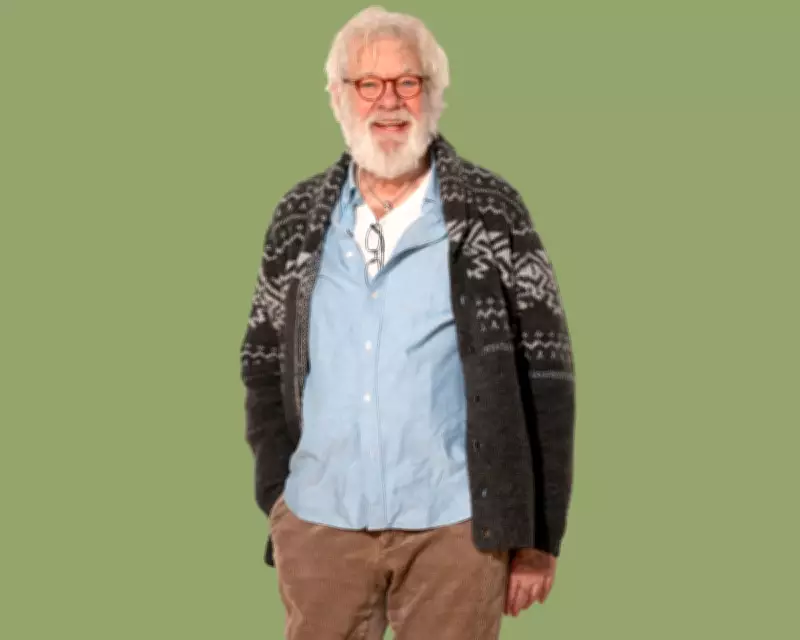
Matthew Kelly Speaks Out on Wokeness and Cancel Culture in New Interview
In a recent interview, acclaimed actor Matthew Kelly has openly shared his critical perspectives on wokeness and cancel culture, igniting a broader conversation about modern societal norms. Kelly, known for his roles in theatre and television, expressed concerns that these movements, while well-intentioned, may sometimes stifle free expression and creativity. He emphasized the importance of balancing social progress with the preservation of artistic freedom and open dialogue.
Kelly's Views on Cultural Shifts and Personal Experiences
During the discussion, Kelly reflected on his own experiences in the entertainment industry, noting how the landscape has evolved with increased focus on inclusivity and sensitivity. He acknowledged the positive aspects of raising awareness about social issues but warned against what he sees as an overzealous approach that can lead to censorship or fear of backlash. Kelly highlighted instances where he felt the line between constructive criticism and punitive measures has become blurred, potentially harming individuals' careers and mental well-being.
Key points from the interview include:
- Kelly's belief that wokeness can sometimes create a climate of fear, where people are hesitant to express opinions for fear of being canceled.
- His call for more nuanced discussions that allow for mistakes and learning, rather than immediate condemnation.
- Observations on how cancel culture impacts not just public figures but everyday interactions, shaping social dynamics in profound ways.
Reactions and Broader Implications for Society
The interview has sparked mixed reactions, with some praising Kelly for his honesty and others criticizing his stance as out of touch with progressive values. Supporters argue that his comments highlight a necessary critique of how social justice movements are implemented, urging for more empathy and understanding. Critics, however, contend that his views may undermine efforts to address systemic inequalities and promote a more inclusive environment.
This debate touches on larger themes in contemporary culture, including the role of public figures in shaping discourse and the challenges of navigating a rapidly changing social landscape. Kelly's insights add to a growing body of commentary from artists and thinkers who are grappling with these issues, suggesting that the conversation around wokeness and cancel culture is far from settled. As society continues to evolve, such discussions are likely to remain at the forefront of cultural and political debates.