The Rise of the 'Hot Priest' Phenomenon in British Churches
When the acclaimed television series Fleabag concluded in 2019, actor Andrew Scott suggested that the public fascination with his charismatic 'Hot Priest' character was merely a passing trend. However, nearly seven years later, the cultural obsession with attractive clergymen shows no signs of diminishing. This enduring fascination has transcended fiction, creating a tangible impact on religious attendance across the United Kingdom, particularly during significant Christian holidays like Easter.
From Screen to Pulpit: The Real-Life Reverends Capturing Attention
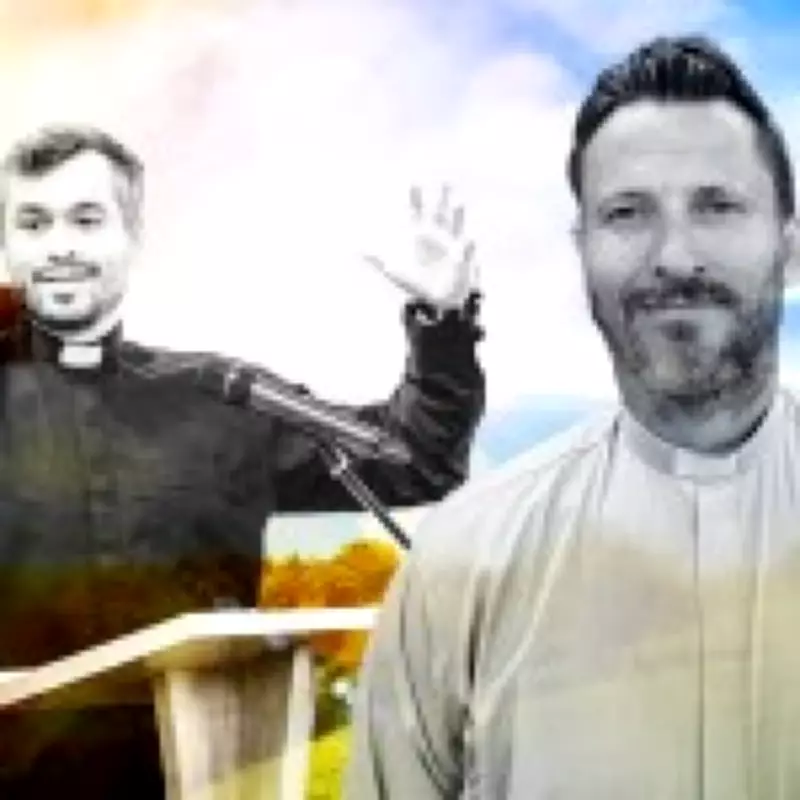
The phenomenon has found embodiment in clergy such as Reverend Pat Allerton, the vicar of St Peter's in London's Notting Hill. During the pandemic, Allerton earned the nickname 'The Portable Priest' by delivering sermons on streets when churches were inaccessible. Now 46, he has amassed a substantial online following where admirers label him with terms like 'hot vicar' and 'Hunky Pat,' often comparing him to the Fleabag character.
"In the world I come from and live in, if you're under the age of 65 and still have most of your hair and teeth, people tend to think you're on the hotter end of the spectrum," Allerton remarked with characteristic humility. "I try not to dwell on it too much, but it's very kind, and I'd rather be on that end of the spectrum than the other end."
While uncertain about how much his appearance influences church attendance, Allerton acknowledges its potential benefits. "The church has made mistakes over the years, and the devil himself has done a pretty good PR job of putting people off, so anything we can do to gain a hearing, even for a moment, is a good thing," he explained. "Anything that opens eyes or pricks ears, I celebrate, and I think the church wants that – we want an opportunity to share the message."
Social Media Clergy: Changing Perceptions Through Digital Platforms
Another prominent figure in this trend is Reverend Chris Lee of St Saviours in Wendell Park, who boasts over 156,000 Instagram followers. The 42-year-old vicar regularly shares concise 60-second sermons that frequently generate enthusiastic responses from viewers, with comments ranging from playful admiration to humorous religious references.
Lee believes the increased visibility of clergy on social media has fundamentally altered public perception of religious institutions. "The trend of priests being on social media and being a bit more accessible has helped people see the church as possibly having a larger front door for them, and they're not afraid to come and have a look," he observed.
His digital presence has even garnered official recognition, including an invitation to film inside 10 Downing Street. "Usually, you're not allowed phones inside No. 10, but the digital team issued me with a special phone to record," Lee recounted. "It was an amazing privilege, and it just shows that even the government thinks religious influencers are a good way to get a message of unity and love out there."
Psychological Appeal and Demographic Shifts
Sex and relationships psychologist Natalie Cawley provides insight into why clergy might hold particular appeal. "The desire or attraction seems to come, in part, from the idealised view of the person," she explained. "It is assumed that because a person holds a position of power, they are respected, capable, together and can contain and respond to our own fragility or chaos."
Relationship hypnotherapist Dipti Tait adds another dimension, suggesting that for some, the appeal lies in perceived unattainability. "When someone appears unattainable, their mysterious and challenging nature triggers a heightened sense of reward in the brain," Tait noted. "This is reminiscent of the brain's response to unpredictability, which releases dopamine."
This psychological dynamic appears to be translating into measurable changes in religious participation. According to research by Christian charity Tearfund, church attendance showed noticeable increases during recent holiday seasons. Their survey of over 2,000 UK adults revealed that 45% of Christians planned to attend church over Christmas, representing a significant rise from 40% in 2024. Among non-Christians, 34% indicated plans to attend, up from 30% previously.
Generational Impact and Future Implications
Perhaps most strikingly, Generation Z demonstrated the strongest inclination toward religious participation, with 60% expressing intentions to attend church services. Reverend Pippa White, a 29-year-old priest from Shropshire, attributes this generational shift partly to social media representation.
"For some Gen X and Millennials, there can be a feeling that being Christian can mean you're a bit wet and weird," White observed. "But when so many young people are open about their faith, especially online, it helps to dispel this misconception for Gen Z."
Both Allerton and Lee emphasize that beyond physical appearance, their primary goal remains challenging outdated stereotypes about religious communities. "A lot of people write religion off, thinking it's boring and dusty and full of old fuddy-duddies," Allerton remarked. "Yes, there are older members of the community, but there are also people of all ages. It's helpful when people see people who look maybe more like them, and they think 'hang on, I wouldn't have thought that person would be interested in faith or God.' It gives them the confidence to find out more."
As Easter approaches, this unexpected convergence of popular culture, digital media, and traditional religion continues to reshape the landscape of British religious practice, proving that sometimes the most unconventional pathways can lead people back to ancient traditions.