In her new novel Natural Disaster, Lisa Owens explores the challenges and rewards of writing about domestic life. She argues that the home, often seen as mundane, can be a rich setting for epic storytelling.
The Domestic Sphere in Literature
Owens references the classic metaphor from The Wizard of Oz, where home is portrayed as a quiet contrast to adventure. She questions why authors with young children would write about the very environment they seek to escape, but concludes that the home is where formative relationships are forged.
Historical Context and Criticism
Rachel Cusk faced intense criticism for her memoirs A Life's Work and Aftermath, which detailed motherhood and marriage. Owens notes that fiction may offer a more forgiving medium, as seen in Elizabeth Jane Howard's The Cazalet Chronicles, which turned family life into a beloved domestic epic.
Innovative Approaches
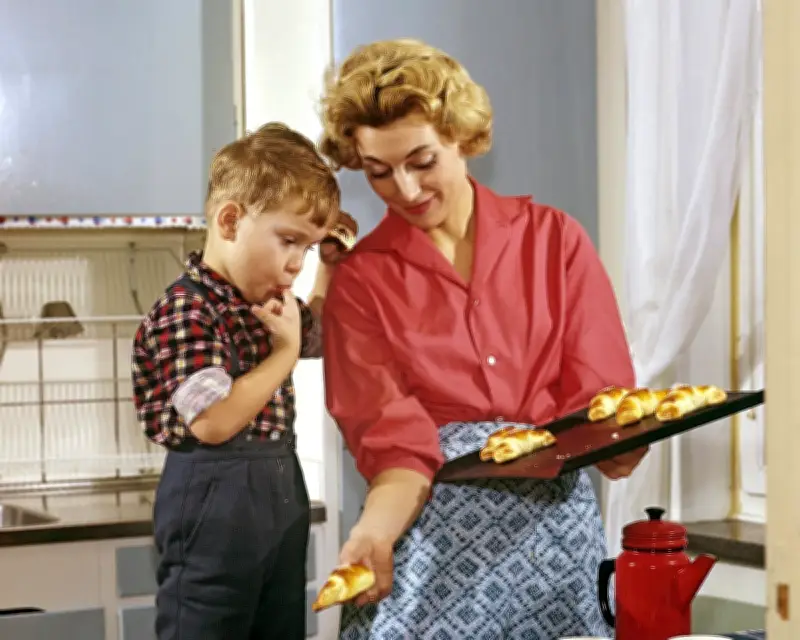
Yvvette Edwards' Good Good Loving uses a reverse chronology to explore generational shifts in domestic roles. Lucy Ellmann's Ducks, Newburyport, at over 1,000 pages, transforms the domestic experience into a philosophical quest, with its heroine running a pie-making business while grappling with existential questions.
Contemporary Concerns
Vincenzo Latronico's Perfection critiques the millennial pursuit of a curated home life, exposing its hollowness. Ayşegül Savaş's The Anthropologists examines how couples create domestic life in foreign cities, blending cultural preservation with invention.
The Power of Domestic Fiction
Miranda July's All Fours, described as taboo-shattering, shows that domestic novels can be wild and funny. Owens concludes that the home, where we are our most intimate selves, can be as powerful and stimulating as any external adventure.