The Complex Cultural Debate Over 'Auntie' and 'Uncle'
A recent article by Lola Okolosie sparked a lively discussion on whether calling a woman 'auntie' constitutes ageist harassment or a mark of respect. Readers from various backgrounds have weighed in with personal anecdotes, revealing a nuanced and multifaceted issue that transcends simple definitions.
Scottish Perspectives on Familiarity and Honorifics
Douglas Leggat, a Scottish individual in his sixties, reflects on his upbringing where 'Aunt' and 'Uncle' were used as familiar terms for close friends of his parents, not based on age. He notes that these titles were honorifics indicating closeness to the family, but they expired as he grew older, transitioning to first names in his teenage years. This highlights how cultural norms can evolve with age and context.
International Experiences in Asia
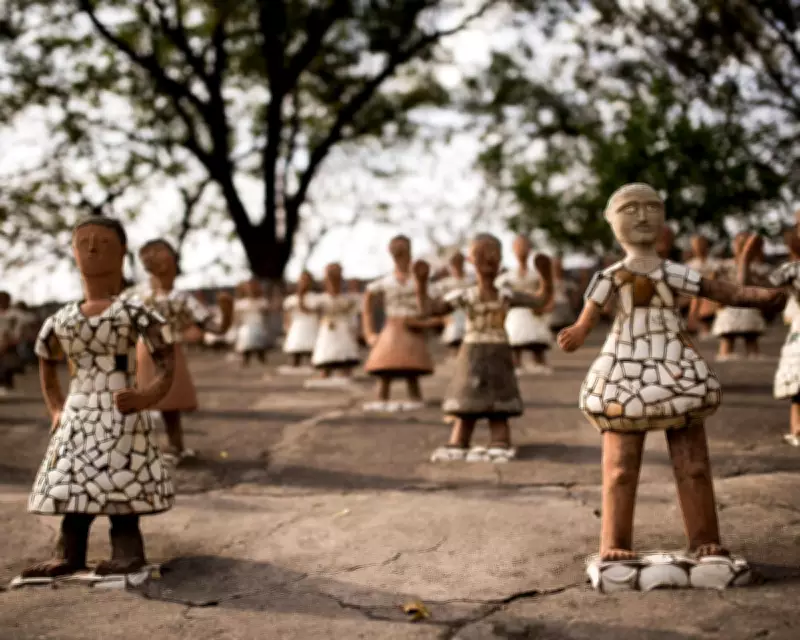
Richard John Merlin, an 80-year-old Englishman now residing in Bulgaria, shares his experiences from travels in India, Nepal, and Thailand. He recalls being called 'Uncle' by young students in the Rock Garden of Chandigarh in 2008, interpreting it as a sign of respect for the age gap. Interestingly, he points out a grammatical variation: in India, it's 'Uncle Richard,' while in Nepal, it's 'Richard Uncle,' suggesting subtle cultural differences in language use.
Healthcare Contexts and Professional Acknowledgment
Jacquie Platt, a healthcare assistant, offers a positive view, stating that being referred to as 'Auntie' in her role was something she loved. She saw it as an acknowledgment of her skills, knowledge, and lifetime of experiences, education, and training. This perspective underscores how these terms can convey respect and recognition in professional settings.
Broader Implications and Social Norms
The debate raises important questions about how language shapes our perceptions of age and respect. While some view 'Auntie' and 'Uncle' as potentially ageist, others see them as ingrained cultural practices that honor relationships and experience. The discussion emphasizes the need for sensitivity to context, as meanings can vary widely across different societies and situations.
Key Takeaways:
- Terms like 'Auntie' and 'Uncle' can serve as both familiar honorifics and markers of respect, depending on cultural background.
- Age plays a role, but it's not the sole factor; closeness to family or professional acknowledgment can also influence usage.
- International experiences reveal grammatical and cultural nuances, such as the order of names in India versus Nepal.
- In healthcare and other professional environments, these terms may be embraced as positive affirmations of expertise.
This ongoing conversation highlights the complexity of social interactions and the importance of understanding diverse perspectives to navigate age-related language with empathy and respect.