The Significance of Chinese New Year and Its Superstitions
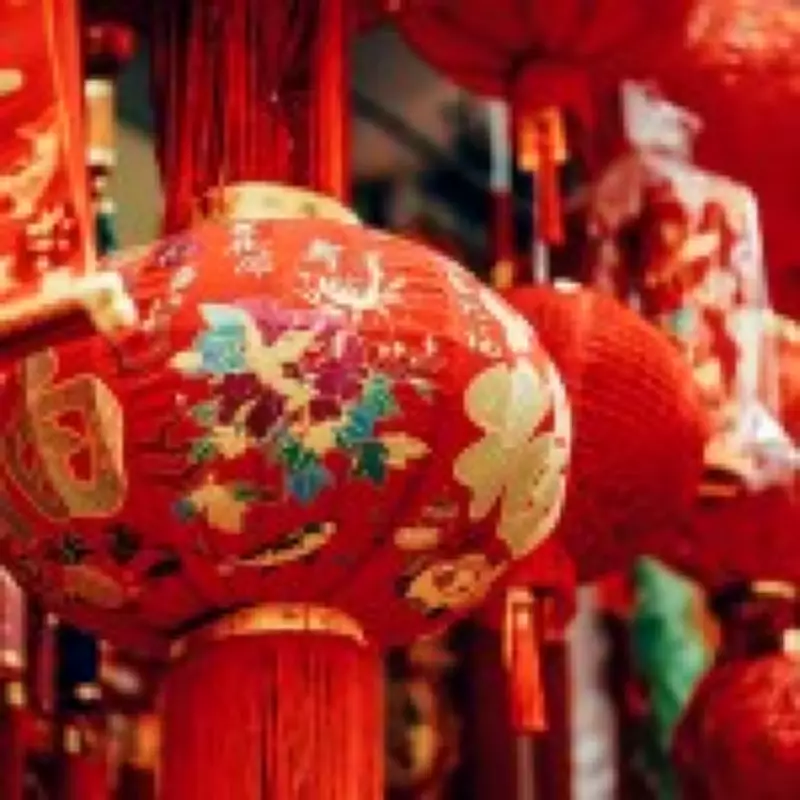
Chinese New Year, also known as Lunar New Year, marks the beginning of the 16-day Spring Festival, celebrated by millions worldwide. In 2026, it falls on Tuesday, February 17, determined by the new moon, typically occurring between January 21 and February 20. This year, we transition from the Year of the Snake to the Year of the Horse, symbolising energy, vitality, and ambition according to the Chinese Zodiac. The festival concludes with the Lantern Festival on the 15th day, where red lanterns are released to symbolise letting go of the past and welcoming the new year.
Understanding the Year of the Horse
The Chinese Zodiac features a 12-year cycle with animals like the rat, ox, tiger, rabbit, dragon, snake, horse, goat, monkey, rooster, dog, and pig. Legend says the Jade Emperor organised a race, and the horse represents qualities such as independence and drive. In 2026, the horse is paired with the Fire element, adding passion and intensity. People born in this year are often seen as charismatic and ambitious, though sometimes impulsive.
Key Taboos to Avoid for Good Fortune
To ensure a joyful and prosperous New Year, several superstitions should be observed. Avoid washing or cutting hair, as the word for hair sounds like "fa" in "facai," meaning wealth, so doing so might wash away fortune. Similarly, refrain from doing laundry. Do not wear black or white, colours associated with funerals; instead, opt for red, symbolising luck. Steer clear of negative words like death or sickness, as they can bring bad luck. Avoid breaking objects, which could sever ties to fortune; if something breaks, wrap it in red paper and dispose of it later.
Other prohibitions include not cleaning or sweeping during the festival, as it might sweep away good luck, and avoiding sharp objects like scissors to prevent cutting off wealth or relationships. Married couples should not visit the wife's family on New Year's Day, as it's considered unlucky for the marriage. Refrain from taking medicine unless for chronic conditions, to avoid jinxing health for the year. Lastly, do not lend or borrow money, as it could lead to financial outflow or debt throughout the year.
Gift-Giving Traditions and Beliefs
Red envelopes filled with cash, known as "yā suì qián" or lucky money, are a popular tradition, often exchanged to anchor the year. This custom stems from legends about warding off monsters like Nian. When giving gifts, avoid clocks or watches, as they symbolise paying last respects, and pears, which imply divorce. Throughout the festival, keep rice jars full to prevent a lean year, and try to prevent children from crying, as it's seen as a bad omen for the family.