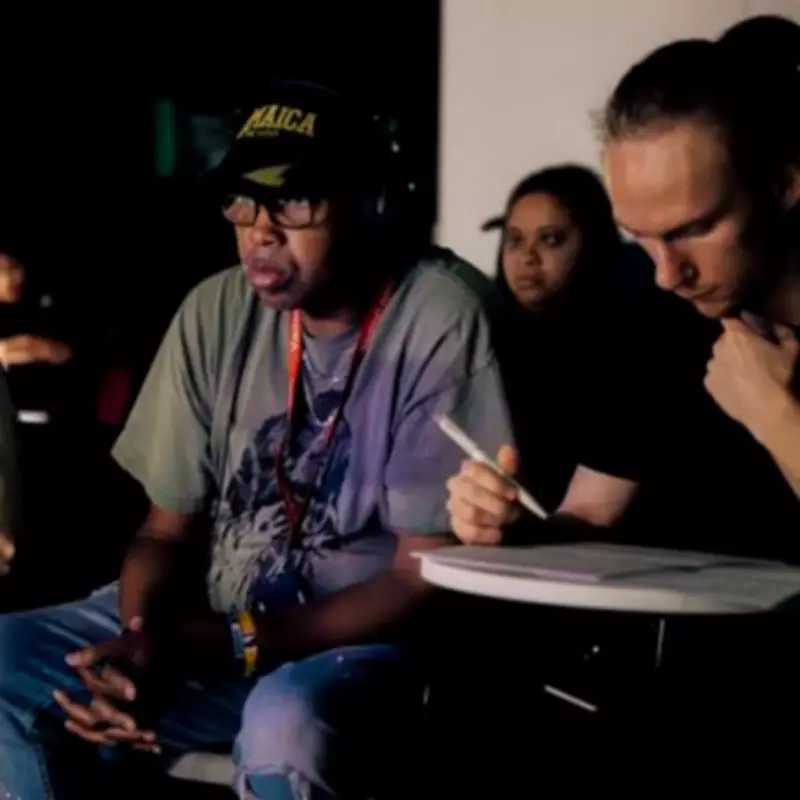
From Childhood Trauma to Transformative Leadership
Bob Clarke's early life in Harlesden during the 1970s was marked by relentless racial abuse that left deep psychological scars. Born in 1958 to a Jamaican father and Cuban mother, Clarke was raised by a white childminder while his biological parents lived nearby in Kensal Green. This complex upbringing created profound identity struggles, with young Bob sometimes rubbing his skin desperately to see if any white pigment might appear underneath.
The Brutal Reality of Systemic Discrimination
Clarke vividly recalls being targeted under the notorious 'Sus laws' - Section 4 of the Vagrancy Act 1824 that allowed police to stop, search, and arrest individuals on suspicion of intent to commit offenses. These laws were disproportionately applied against young Black boys, and Clarke experienced their brutality firsthand. "I remember one time I was being beaten by a policeman," he recounts. "I'm crouched down, and I open one eye, and I see so much anger. His eyes were bulging, and there was so much anger, all because of the colour of my skin."
The discrimination extended to his education, where teachers regularly told him he would "amount to nothing." At 17, seeking escape from neighborhood dangers and retaliatory threats, Clarke joined the army with a friend, serving from 1975 until 1989. This military experience, while exposing him to traumatic situations, ultimately provided structure and perspective that would shape his future path.
Building a New Life in Media
After leaving the army, Clarke strategically transitioned to civilian life by requesting attachment to a part-time soldier unit while working in a warehouse and later in a production studio's operations area. This exposure to media production sparked his vision for a new career. Through determination and on-the-job learning, he worked his way up to become an award-winning editor, contributing to British Forces Television and Sky TV over more than two decades.
The Birth of Mama Youth Project
In 2005, drawing from his personal experiences of exclusion and limited opportunities, Clarke founded The Mama Youth Project. The charity emerged from his frustration with the media industry's lack of diversity and his realization that he could create meaningful change. "I remember a white colleague saying, 'Oh, there aren't enough Black people working in this industry,'" Clarke recalls. "I thought, that's what somebody said to me when I first started. So I asked myself, what have I done to change that?"
The Mama Youth Project focuses on providing practical training and real-world experience in programme making for young individuals from underrepresented backgrounds, including white working-class communities. Clarke self-funded the initiative for its first decade, demonstrating extraordinary commitment to creating opportunities he never received.
Transformative Impact and Recognition
Since its inception, Mama Youth Project has helped over 1,000 people through free intensive training programs often conducted at major industry facilities. Based in Harlesden with additional cohorts in Birmingham and Manchester, the organization offers boot camps and specialized training for individuals aged 18 to 30.
The charity's impact has earned significant recognition, including a BAFTA Television Craft Special Award in 2024 and Education and Training Provider of the Year at the 2026 West London Business Awards. These honors validate Clarke's vision of creating pathways into media for those traditionally excluded from such opportunities.
Success Stories and Full Circle Moments
Rio Gayle represents one of Mama Youth's most compelling success stories. After participating in a boot camp twelve years ago and gaining work experience at the BBC, she secured permanent employment there and now serves as Operations Director at Mama Youth Project. "It's important to have diverse voices in the newsroom or in media," Gayle emphasizes. "We need everyone from different backgrounds to shape those ideas."
Gayle notes that the training instills crucial understanding about the additional challenges faced by those from certain backgrounds in the television industry. "You have to work harder and prove yourself even more than others," she explains. For Gayle, working at Mama Youth represents a "full circle moment" that allows her to help others achieve similar transformations.
Restoring Hope Through Practical Opportunity
The emotional impact of Mama Youth's work extends beyond professional development. Clarke and his team frequently hear from parents whose children had been overlooked by traditional systems. "They say to us, 'My child finally has hope again,'" Gayle shares. "Mama Youth gives them that hope because we are helping with contacts and industry experience. Hope is the best thing you can give to someone and give them a future."
Bob Clarke's journey from being told he would "amount to nothing" to leading an award-winning charity demonstrates remarkable resilience and vision. Through Mama Youth Project, he has created a sustainable model for addressing media industry diversity while providing tangible hope and opportunity to hundreds of young people who might otherwise remain excluded from these career paths.