BBC's Lord of the Flies Adaptation Raises Questions on Diverse Casting
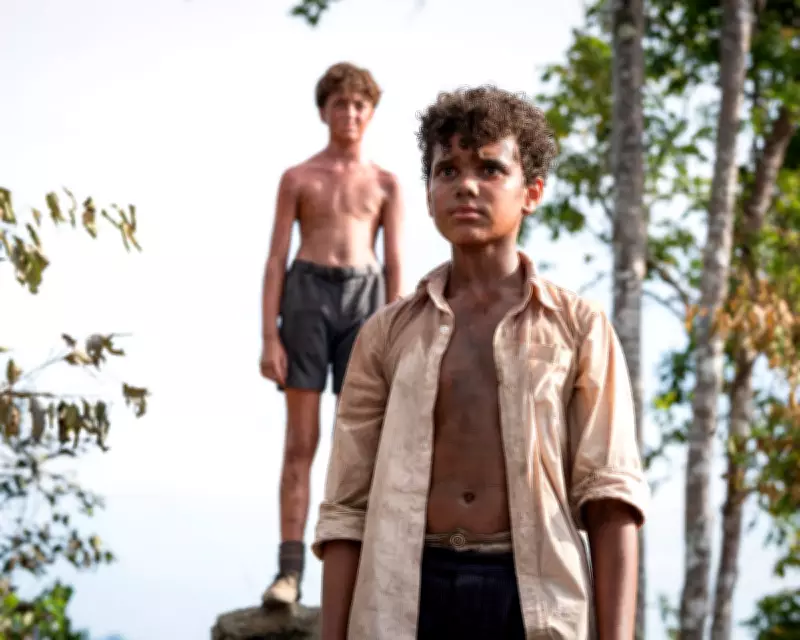
Darren Chetty, a writer and academic, has sparked a significant debate with his critique of Jack Thorne's new BBC series adaptation of William Golding's classic novel, Lord of the Flies. The series, which features a diverse cast including the talented Winston Sawyers as Ralph, aims to promote inclusivity by ensuring representation beyond white actors on screen. However, Chetty argues that this well-intentioned move may inadvertently obscure some of the most profound and critical themes embedded in Golding's original work.
The Core Conflict: Progressive Casting Versus Thematic Integrity
At the heart of Chetty's analysis is the concern that the colour-blind casting approach, while progressive, detracts from the novel's exploration of civilisation, savagery, and empire. Golding's story, a staple in GCSE curricula since its 1954 publication, was conceived as a response to R.M. Ballantyne's The Coral Island, a Robinsonade that glorified British colonialism and reinforced racial hierarchies. By abstracting the narrative away from its colonial context, Chetty suggests that Thorne's adaptation loses its original potency and meaning.
He points to key elements in the book, such as Piggy's declaration, "We're not savages. We're English; and the English are best at everything," which directly engages with themes of racial superiority and imperialism. In a diverse cast, this dialogue might lose its critical edge, as it no longer reflects the specific racial dynamics Golding intended to critique.
Historical Context and Adaptation Trends
Chetty draws parallels with other productions like Bridgerton and Hamilton, where diverse casting has been praised for inclusivity but criticized for glossing over historical racial inequalities. He references Gary Younge's 2022 commentary on Bridgerton, which described such approaches as offering "the depiction of racial difference in the absence of racial inequality." Similarly, Ishmael Reed's play The Haunting of Lin-Manuel Miranda highlighted how inclusive casts can obscure racist pasts, a concern Chetty extends to Thorne's adaptation.
The original editions of Lord of the Flies included racially charged language, later revised, to underscore the racial hierarchies typical of Robinsonade narratives. Golding's work, informed by World War II, subverts this tradition by suggesting that savagery lies within the upper-class white English boys, offering an anticolonial reading. Chetty questions whether Thorne's series retains this subversive quality or instead creates a "racial utopia" that sidesteps the entanglement of masculinity with racial and gender hierarchies.
Implications for Storytelling and Representation
By focusing solely on class and gender while downplaying race, Chetty argues that Thorne's adaptation simplifies the complex identities in Golding's novel. At a time when racism often manifests through patriarchal dominance and protectionist rhetoric, this omission feels like a retreat from addressing how masculinity is deeply intertwined with racial dynamics. While the series provides valuable opportunities for actors of colour, Chetty emphasizes that true progress in adaptation requires balancing inclusivity with fidelity to the source material's critical themes.
This debate underscores broader questions about how classic texts are reinterpreted for modern audiences, challenging creators to navigate the fine line between representation and thematic integrity. As adaptations continue to evolve, Chetty's critique invites viewers and critics to reflect on what is gained or lost in the pursuit of diverse storytelling.