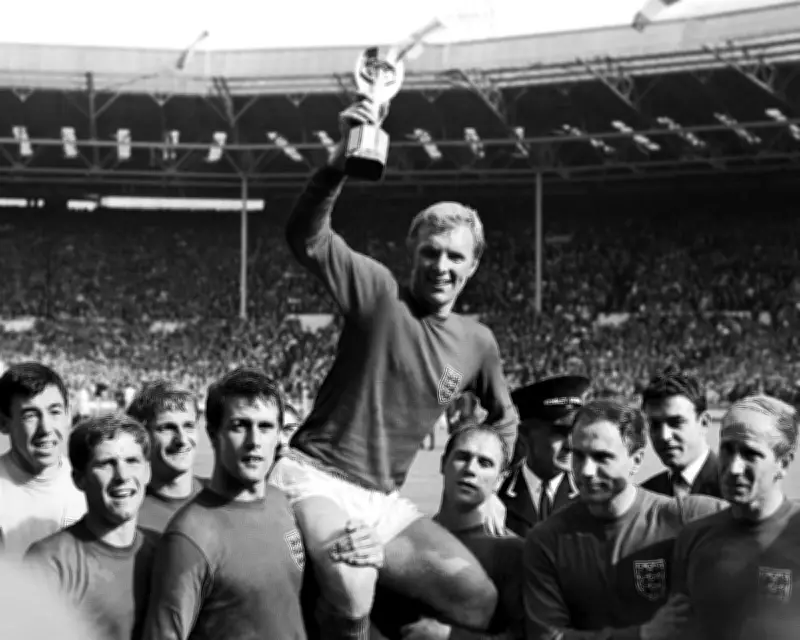
The 1966 World Cup final is etched in English football folklore, with Geoff Hurst's hat-trick and Bobby Moore's iconic lift of the trophy. But a new book argues that the radio presenters who brought the match to life were just as much heroes as the players on the pitch.
In an era when television was still a luxury for many, radio was the primary medium for following the national team. Millions of fans gathered around wireless sets to hear the dulcet tones of commentators like Kenneth Wolstenholme, whose famous words "They think it's all over" have become part of the national psyche.
The Unsung Voices of 1966
The book, titled Radio's Finest Hour, chronicles the work of the BBC and ITV radio teams during the tournament. It reveals that behind the scenes, a small group of producers and engineers worked tirelessly to ensure seamless coverage, often under challenging conditions.
According to author and sports historian Dr. James Carter, "The radio presenters were the unsung heroes of 1966. They had to paint a vivid picture for listeners who couldn't be there, and they did so with remarkable skill and passion."
The book features interviews with surviving family members of the commentators, as well as archival recordings that have never been released to the public. It also highlights the technical innovations of the time, such as the use of telephone lines to transmit commentary from Wembley to studios across the country.
Bringing the Nation Together
Radio's role in 1966 extended beyond mere match commentary. It was a unifying force that brought the nation together. In factories, offices, and homes, people stopped to listen, creating a shared experience that transcended social and regional divides.
One poignant anecdote from the book describes a factory in Manchester where workers downed tools to gather around a single radio, their cheers echoing through the building when Hurst scored his final goal. Such moments underscore the profound impact of radio on the nation's collective memory.
A Lasting Legacy
The book argues that the legacy of the 1966 radio coverage can still be felt today. Modern sports broadcasting owes much to the pioneering techniques and standards set by those early radio teams. The emphasis on vivid description, emotional engagement, and technical reliability has shaped the way we consume sport.
Dr. Carter adds, "Without the radio presenters, the 1966 World Cup would not have had the same cultural resonance. They made it possible for the whole country to feel part of the triumph."
Commemorating the Heroes
To mark the 60th anniversary of the tournament, the book's publisher is planning a series of events, including a touring exhibition of memorabilia and a special broadcast featuring excerpts from the original commentaries. The aim is to ensure that these radio heroes are finally given the recognition they deserve.
The book also calls for a permanent memorial to the radio presenters at Wembley Stadium, alongside the statues of Bobby Moore and other players. Such a tribute would acknowledge the vital role they played in one of England's greatest sporting achievements.
As England fans look ahead to future tournaments, the story of 1966 serves as a reminder that football is not just about what happens on the pitch, but also about the voices that bring it to life. The radio presenters of 1966 were, indeed, heroes too.