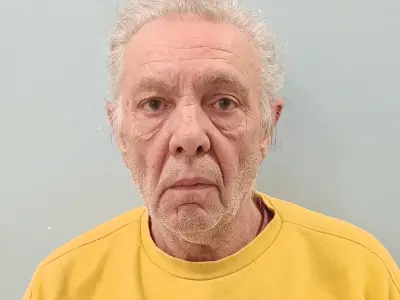
The head of Moldova's public television network has resigned following a scandal involving alleged bloc voting during the Eurovision Song Contest. The controversy erupted after accusations that Moldova voted strategically alongside neighboring countries, undermining the competition's integrity.
Resignation Amid Controversy
Vladimir Țurcanu, the director of Teleradio-Moldova, stepped down on Tuesday, citing the need to preserve the institution's reputation. His resignation comes after the European Broadcasting Union (EBU) launched an investigation into voting patterns in the 2026 Eurovision final, where Moldova awarded its maximum points to Romania and Ukraine, while receiving high scores from those nations in return.
Allegations of Bloc Voting
Critics argue that Moldova's votes were not based on artistic merit but on political or regional alliances. This practice, known as neighborhood voting, has long been a point of contention in Eurovision, with some countries accused of forming voting blocs. The EBU has not yet released its findings, but the pressure on Teleradio-Moldova intensified after a leaked internal report suggested a coordinated voting strategy.
Impact on Eurovision's Credibility
The scandal has reignited debates about the fairness of Eurovision's voting system. While the contest introduced a jury-vote split to reduce bloc voting, some argue that it persists in the televote. Moldova's case highlights the challenges of ensuring impartiality in a competition that blends music and politics.
In his resignation statement, Țurcanu expressed regret over the situation but denied any personal wrongdoing. He emphasized that his decision was made to protect Teleradio-Moldova from further harm. The broadcaster has appointed an interim director and pledged full cooperation with the EBU investigation.
This incident adds to a history of voting controversies in Eurovision, which has seen countries like Azerbaijan, Greece, and Cyprus accused of similar practices. The EBU has implemented measures such as randomizing the order of voting announcements and using aggregated scores, but critics call for more radical reforms.
As the investigation continues, Eurovision fans and officials alike await the outcome, hoping to restore confidence in the world's largest song contest. Meanwhile, Moldova's public broadcaster faces the task of rebuilding its credibility and ensuring transparent voting in future editions.