A significant portion of the American media has been accused of acting as cheerleaders rather than critical observers in its coverage of the dramatic raid on Venezuela and the seizure of its leader, Nicolás Maduro, last weekend.
From 'Daring' to 'Fox Lite': The Tone of Early Coverage
While public opinion polls suggest Americans remain uncertain about the operation's merits, much of the initial media reporting appeared designed to sway sentiment towards approval. This was most pronounced on the right, where Fox News led a full-throated cheering squad, with even former host Megyn Kelly comparing its coverage to Russian propaganda.
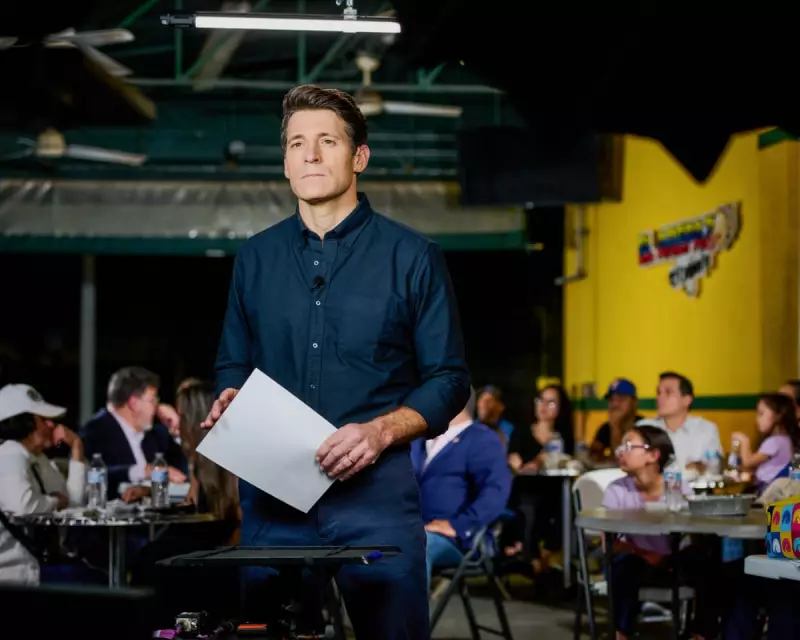
However, the issue extended beyond overtly partisan outlets. Mainstream broadcasters displayed a marked reluctance to question President Donald Trump's stunning move. CBS News, under new editorial leadership, was singled out for particular criticism. Its Tuesday-night broadcast was described as 'practically Fox Lite', featuring an AI-generated montage and a segment where anchor Tony Dokoupil declared, "Marco Rubio, we salute you." The lighthearted tone was widely perceived as tone-deaf given the serious geopolitical implications.
Serious Journalism Amidst Cheerleading
To their credit, several influential global outlets provided robust, sober coverage. The Washington Post, the New York Times, the Guardian, Associated Press, and Reuters delivered serious reporting on the ground. A notable Post piece detailed the 'growing despair' and 'new wave of repression' in Caracas, starkly contrasting with the same paper's editorial which celebrated the 'boldest move a president has made in years'.
A further ethical dilemma emerged with reports that the Times and the Post knew about the raid in advance and agreed to hold publication at the Trump administration's request, citing operational security for US troops. While editors like Ben Smith of Semafor suggested most would have made the same call to avoid getting troops killed, the cooperation raised troubling questions for some observers about the line between responsible embargo and complicity.
Critical Voices and the 'Brazen Illegality'
Amidst coverage often laden with adjectives like 'daring' and 'virtually flawless', stronger critical analysis emerged from singular voices. Former labour secretary Robert Reich drew a direct line from the January 6th insurrection to the Venezuela raid, calling both 'lawless' acts of 'hubris'.
In a rare piece of mainstream candour in the first days, the New Yorker published an interview with international law expert Oona Hathaway under the unambiguous headline: 'The Brazen Illegality of Trump's Venezuela Operation'.
Yet, as media columnist Margaret Sullivan notes, far more viewers were likely exposed to the softer, admiring television coverage than to these critical examinations. The episode underscores a radical new phase in American history, where the media's role in holding power to account is being tested, and for many, found wanting.