John Davidson's Bafta Tic Controversy Reignites Tourette's Debate
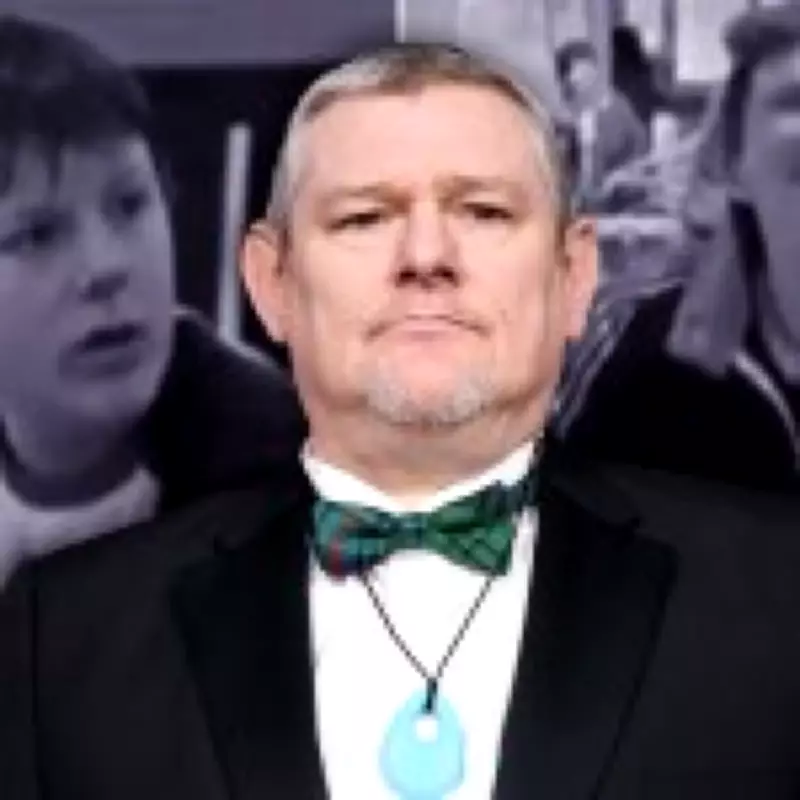
John Davidson, who became the public face of Tourette's syndrome in the UK after a groundbreaking BBC documentary in 1989, found himself at the center of a painful controversy during the 2026 Bafta ceremony. The incident has reignited complex discussions about neurological disorders, broadcast responsibility, and the lifelong struggle of separating involuntary symptoms from personal character.
The Bafta Incident and Immediate Fallout
Davidson attended the ceremony where "I Swear," a biographical drama about his life and diagnosis, had received six nominations. During the evening, he experienced a series of tics including coprolalia, echolalia, and sudden physical movements. Among these was the shouting of a racial slur while Michael B. Jordan and Delroy Lindo were presenting on stage.
The BBC broadcast the pre-recorded ceremony without editing out the language, leading to immediate controversy. Many argued that the outburst reflected Davidson's beliefs, while others criticized the broadcaster for failing in their duty of care. Davidson apologized the next day, stating he was "deeply mortified if anyone considers my involuntary tics to be intentional or to carry any meaning."

He described experiencing a "wave of shame" and emphasized that the most offensive word he uttered was one he would "never use" and would "completely condemn" if he did not have Tourette's. "It's the last thing in the world I believe," he said, stressing that his tics are "not an intention, not a choice and not a reflection of my values."
Bafta's Response and Unanswered Questions
Bafta issued an "unreserved apology" for the "very offensive language" broadcast, acknowledging the trauma such words carry and accepting responsibility for putting guests in a difficult position. Lindo later commented that he and Jordan "did what we had to do" on stage but wished "someone from Bafta spoke to us afterward."
The incident raised significant questions about event planning and broadcast decisions. Davidson himself questioned why, given his well-documented symptoms, he was seated near an active microphone, and why, in a pre-recorded ceremony, the footage was not edited. These questions highlight broader concerns about ensuring the comfort and safety of all participants at major events.
Historical Context: From Documentary Subject to Advocate
The Bafta controversy represents a painful cyclical moment in Davidson's life. In 1989, the BBC documentary "John's Not Mad" introduced viewers to a 16-year-old from Galashiels whose severe Tourette's syndrome made him too frightened to leave his house. The documentary aimed to show that Tourette's was a neurological condition, not a form of madness.
The film revealed Davidson's visible torment, with him stating at one point, "Sometimes it's so bad I just want to kill myself." It documented his struggle to control obscenities, including pressing his hands over his mouth to prevent words from escaping. The documentary also showed the collateral damage of living with the disorder, including being teased at school, locked in a cupboard by a teacher, and facing family strain.
After the documentary aired, Davidson's life transformed. Neighbors who had shunned him began congratulating him on his bravery, and he became a national spokesman for Tourette's syndrome. However, in recent years he has expressed concern that the documentary helped entrench the misconception that Tourette's is primarily about swearing, when coprolalia affects only a minority of sufferers.
The Neurological Reality of Tourette's
As documented in the original film and explained by neurologists including Oliver Sacks, Davidson's manifestation of Tourette's is particularly socially disruptive. The disorder often causes tics to latch onto whatever is most charged in the environment, explaining why at the Bafta ceremony he uttered "perhaps 10 different offensive words."
The most taboo words in any given context are precisely the kind that Tourette's may seize upon neurologically. This creates a cruel paradox where the very words that carry the greatest social weight become the most likely to emerge involuntarily from someone with severe coprolalia.

Broadcast Decisions and Their Implications
The Bafta incident has raised questions about editorial decisions at the BBC. While the broadcaster edited out "Free Palestine" from another acceptance speech, they chose not to edit Davidson's shouted slur. This decision-making process has come under scrutiny, particularly given the pre-recorded nature of the ceremony.
For decades, Davidson has worked to separate himself from the content of his tics. "It's like someone's forcing it out of me," he said as a teenager, and recently reiterated that his tics have "absolutely nothing to do with what I think, feel or believe." The throughline of his message has remained consistent for over three decades.
The Amplification of a Personal Struggle
What has changed dramatically is the scale of amplification. In 1989, the BBC used a camera to help Britain understand that Tourette's was a neurological disorder rather than a moral failing. In 2026, the same broadcaster aired Davidson's most offensive tic, unedited, to millions of viewers.
This effectively reignited the very conflation he has spent his life resisting: that the words he cannot control somehow represent who he is as a person. The tragedy extends beyond the unacceptable position in which presenters were placed or the language that viewers heard. It represents a cruel return to the defining struggle of Davidson's life—being reduced to words he has spent a lifetime insisting are not who he is.
The incident serves as a stark reminder of the complex intersection between neurological conditions, broadcast ethics, and social responsibility. While there are no easy answers to such situations, they demand careful consideration of how society accommodates neurological diversity while protecting all individuals from harm.