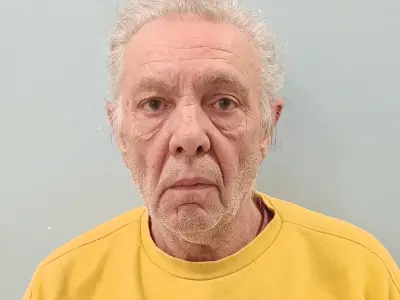
Tim Davie has stepped down as the Director-General of the BBC, concluding a five-year tenure that was persistently challenged by high-profile controversies. His departure was confirmed on November 9, 2025, following intense criticism over a Panorama documentary that was found to have doctored a speech by former US President Donald Trump.
The Final Straw: The Trump Panorama Controversy
The immediate catalyst for Davie's resignation was the scandal surrounding the Panorama episode, 'Trump: A Second Chance'. The programme featured an edited clip that spliced two parts of a Trump speech, given 50 minutes apart, making it appear as a single, continuous incitement to violence during the Capitol riots on January 6, 2021. Critics argued the edit was misleading because it omitted Trump's calls for peaceful protest.
The issue came to light after an internal memo was leaked to The Telegraph, prompting an investigation by the BBC's editorial standards committee. The timing was critical, as the episode aired just a week before the US elections. Former Prime Minister Boris Johnson was among the vocal critics, publicly stating he would withhold his licence fee until someone at the BBC 'took responsibility'.
A Tenure Defined by Scandals
While the Trump controversy was the breaking point, Davie's leadership was already under pressure from a series of other major incidents.
Gaza Coverage and Bob Vylan: The BBC faced significant backlash over its reporting on the Israel-Gaza conflict. Ofcom ruled that its documentary, How to Survive a Warzone, committed a 'serious breach' of broadcasting rules, partly because its teenage narrator was the son of a Hamas official. This led to a rare on-air apology. Further pressure came when the BBC did not stop a Bob Vylan concert at Glastonbury where a chant of 'death to the IDF' was led.
The Huw Edwards Scandal: One of the most damaging episodes involved star news anchor Huw Edwards, who was convicted for making indecent images of children after paying a teenager over £35,000 for explicit photos. The BBC was criticised for its handling of the situation, as Edwards remained on the payroll for a period even after his arrest.
Gregg Wallace and MasterChef: Celebrity chef Gregg Wallace was dropped from MasterChef after an independent investigation found he had made a series of 'culturally insensitive' and 'sexual' remarks. Wallace blamed the BBC for not accommodating his neurodiversity.
Strictly Come Dancing Welfare Issues: The popular dance show was rocked by complaints about the aggressive training methods of professional dancers Giovanni Pernice and Graziano Di Prima, both of whom were subsequently dropped from the programme.
Leadership and Legacy
Tim Davie, a 58-year-old from Croydon, south London, took the helm in September 2020 during the height of the pandemic. With a background in marketing at PepsiCo, he was brought in to steer the national broadcaster. His annual salary was reported to be approximately £642,000, significantly more than his predecessor, Tony Hall.
In his resignation note to staff, Davie stated, 'While not being the only reason, the current debate around BBC News has understandably contributed to my decision... I have to take ultimate responsibility.' He confirmed he is working with the BBC Board on an orderly transition to a successor.
The CEO of BBC News, Deborah Turness, also resigned, stating that the Trump controversy had 'reached a stage where it is causing damage to the BBC' and that 'the buck stops with me.' Both leaders, however, denied that BBC News is institutionally biased.
BBC Chairman Samir Shah called it a 'sad day for the BBC', praising Davie as an 'outstanding Director-General' while respecting his decision to step down under immense pressure. The Board will now begin the process of selecting the 18th Director-General of the corporation.