The BBC is facing intense scrutiny and expected to issue an apology on Monday following allegations of improper editing of a speech by former US President Donald Trump in a Panorama documentary.
The Controversial Edit That Sparked Outrage
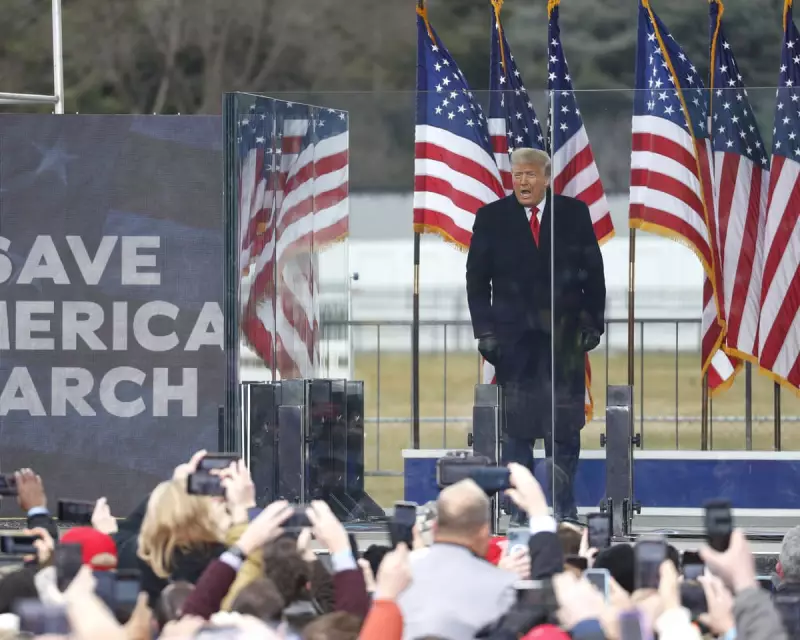
According to a detailed dossier compiled by Michael Prescott, a former external adviser to the BBC's editorial standards committee, the broadcaster selectively edited Trump's speech from January 6th 2021 in an episode of Panorama broadcast just before the US election. The programme in question, Trump: A Second Chance?, presented clips that appeared to show Trump telling supporters: "We're going to walk down to the Capitol and I'll be there with you, and we fight. We fight like hell."
However, Prescott's investigation revealed that these words were taken from sections of the president's speech that were delivered almost an hour apart. Crucially, the edited version omitted Trump's instruction for supporters "to peacefully and patriotically make your voices heard" that appeared between the selected clips.
Wider Allegations of Bias Within the BBC
The 19-page dossier compiled by Prescott extends beyond the Trump speech controversy. It also raises serious concerns about BBC Arabic, claiming that an internal review by journalist David Grossman identified "systemic problems within BBC Arabic" that demonstrated anti-Israel bias.
Furthermore, the document criticises the BBC's coverage of transgender issues, suggesting the broadcaster had been "captured by a small group of staff promoting the Stonewall view" of gender identity matters. Prescott alleges that the corporation's LGBT desk would "decline to cover any stories raising difficult questions" on the subject.
Political Fallout and Defence of the BBC
The revelations have prompted strong reactions from political figures on both sides of the Atlantic. Former Prime Minister Boris Johnson declared that BBC director-general Tim Davie "must either explain or resign," accusing the corporation of being "caught red-handed in multiple acts of leftwing bias."
Tory party leader Kemi Badenoch went further, stating that "heads should roll" over the controversy. From the United States, Trump's press secretary Karoline Leavitt described the BBC as "100% fake news" and a "propaganda machine."
However, several prominent journalists have defended the BBC, suggesting the criticism forms part of a broader political campaign. BBC presenter Nick Robinson acknowledged there were "genuine" concerns about editorial standards but emphasised his belief that there was a "political campaign by people who want to destroy the organisation."
Veteran broadcaster John Simpson supported Robinson's assessment, while former Sky News political editor Adam Boulton dismissed claims of bias on this specific occasion as "BS" and stated it was "fake news to suggest Donald Trump did not egg on what happened on 6 January."
The controversy comes amid ongoing scrutiny of appointments to BBC committees, with sources revealing that Robbie Gibb - former communications director to Theresa May - played a key role in Prescott's appointment to the editorial guidelines committee.