A former adviser to the BBC has strongly defended the corporation against allegations of systemic bias in its news coverage, telling MPs that the BBC took issues of impartiality 'extremely seriously' throughout the period cited in a controversial leaked memo.
The Leaked Memo That Rocked the BBC
The claims emerged from a memo written by Michael Prescott, a PR executive and former independent external adviser to the BBC's Editorial Guidelines and Standards Committee (EGSC). His document, sent to the BBC's board and later leaked to the Daily Telegraph, alleged 'serious and systemic problems' in the corporation's coverage of sensitive topics including Donald Trump, Gaza, and trans issues.
The fallout from the leaked memo was significant, leading to the resignation of the BBC's director general, Tim Davie, and the head of BBC News, Deborah Turness. Prescott claimed that BBC leaders had repeatedly ignored his concerns or failed to properly address mistakes.
Conflicting Accounts Before MPs
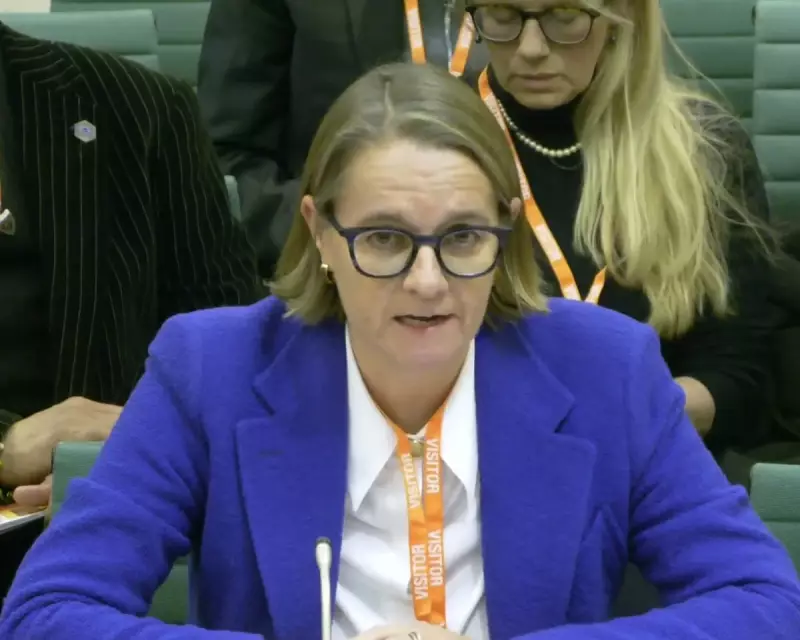
Appearing before the Commons culture, media and sport committee, Caroline Daniel—a PR executive and former journalist who served alongside Prescott as an external EGSC adviser—offered a contrasting perspective. She characterised Prescott's memo as his 'personal account' rather than a comprehensive review.
'It was a healthy debate and also a very robust debate,' Daniel told MPs. 'But in my view, was the BBC willing to have a proper conversation, debate and actually take action? In my view, yes.'
While Prescott told the committee he did not believe the BBC was 'institutionally biased', he maintained that the corporation repeatedly failed to properly follow up issues raised at the EGSC. Daniel directly disagreed with this assessment, praising the existence of the committee itself as evidence of the BBC's commitment to impartiality.
Political Pressure and Boardroom Tensions
The controversy has drawn attention to BBC board member Robbie Gibb, who previously served as Theresa May's communications chief in Downing Street. Despite calls for his resignation from some BBC staff and MPs due to his political links, Gibb told the committee he had no intention of stepping down.
Gibb described the memo as having 'been weaponised and I have been a victim of that weaponisation'. He ridiculed suggestions of 'a coup' from the right, calling the charge 'one of the most ridiculous' and 'complete nonsense'.
Prescott confirmed his friendship with Gibb and acknowledged Gibb's role in his appointment, though he stressed that BBC HR was also involved. He insisted his memo was his own work, though based on research by the EGSC's adviser, longtime BBC journalist David Grossman.
BBC chair Samir Shah also faced scrutiny over his handling of the crisis, with accusations that delays in the BBC's response left the corporation vulnerable. Shah defended his approach, saying he wanted to ensure board unity and proper understanding of the issues. He also revealed he had tried to prevent Davie's resignation.
The most serious allegation in Prescott's memo concerned the BBC's editing of a Donald Trump speech, which Prescott claimed was selectively edited to make it appear clearer that the former president encouraged the US Capitol attack. While Prescott conceded President Trump was 'probably not' defamed by the Panorama edit, both Shah and board member Caroline Thomson revealed that BBC News wanted to apologise for the edit.
The BBC has confirmed it is reviewing how the EGSC operates and its composition, with some insiders believing Gibb had too much influence on the recently four-member body. The corporation also plans to appoint a deputy to the new director general to share the responsibility for its journalism.