The BBC found itself under intense parliamentary scrutiny as senior figures faced questioning about a leaked internal memo that triggered significant leadership changes within the corporation.
Parliamentary investigation into BBC governance
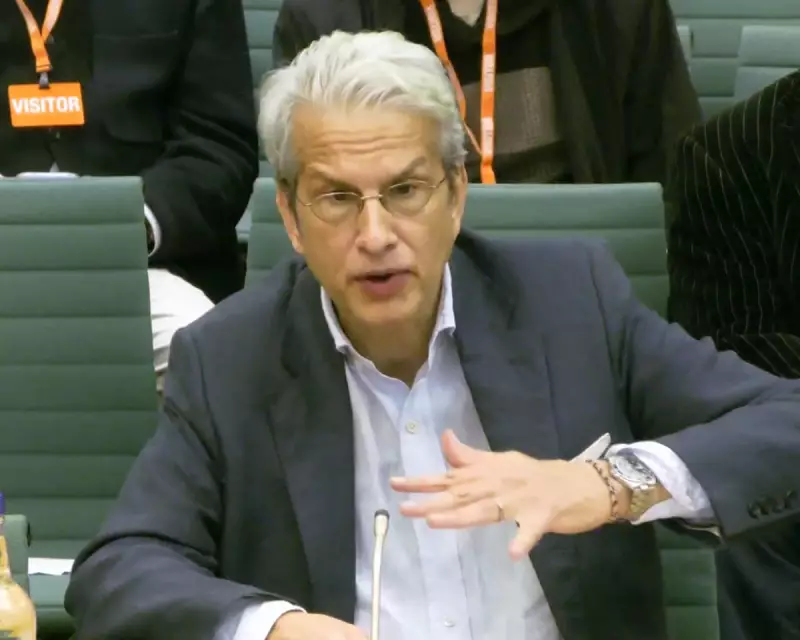
Michael Prescott, a former independent adviser to the BBC, told the Commons culture committee he had no knowledge of how his confidential memorandum reached the Daily Telegraph. The 19-page document ultimately led to the resignations of Tim Davie, the director general, and Deborah Turness, head of news.
Prescott presented himself as a concerned insider attempting to help the corporation address what he described as "incipient problems" rather than full-blown crises. He claimed his intentions were purely to maintain the BBC's standards and that he never anticipated his internal communications would become public or cause such dramatic consequences.
Defensive positions and political tensions
Samir Shah, the BBC chair, appeared visibly uncomfortable during his testimony, repeatedly apologising for the situation while attempting to clarify the corporation's position. His performance reflected the immense pressure facing the BBC's leadership amid ongoing debates about its impartiality.
Robbie Gibb, a board member and former communications director for Theresa May, demonstrated considerable skill in deflecting criticism during his appearance. He denied any knowledge of how the memo was leaked to the Telegraph and rejected suggestions of a boardroom takeover by right-wing figures.
Gibb emphasised that his Conservative background didn't compromise his impartiality when dealing with BBC matters, while simultaneously expressing disappointment that some colleagues couldn't separate their left-wing political views from their professional responsibilities.
Unanswered questions and institutional reflection
The parliamentary session revealed deep tensions within the BBC's governance structure. Prescott's claim of ignorance about the leak mechanism raised eyebrows, particularly given his professional background as political editor of the Sunday Times from 1997 to 2001.
Committee members questioned how such a sensitive document could find its way to a newspaper that has frequently been critical of the BBC. Prescott maintained he had expected his concerns to be handled privately through official channels with the BBC board, Ofcom and the culture committee.
The testimony highlighted the BBC's complex relationship with self-criticism and external scrutiny. As one of few organisations that dedicates significant resources to analysing its own output and performance, the corporation now faces fundamental questions about its governance, political balance, and ability to maintain public trust.
With high-profile resignations already occurring and parliamentary pressure intensifying, the session left observers wondering whether the right people had been held accountable for the corporation's recent troubles.