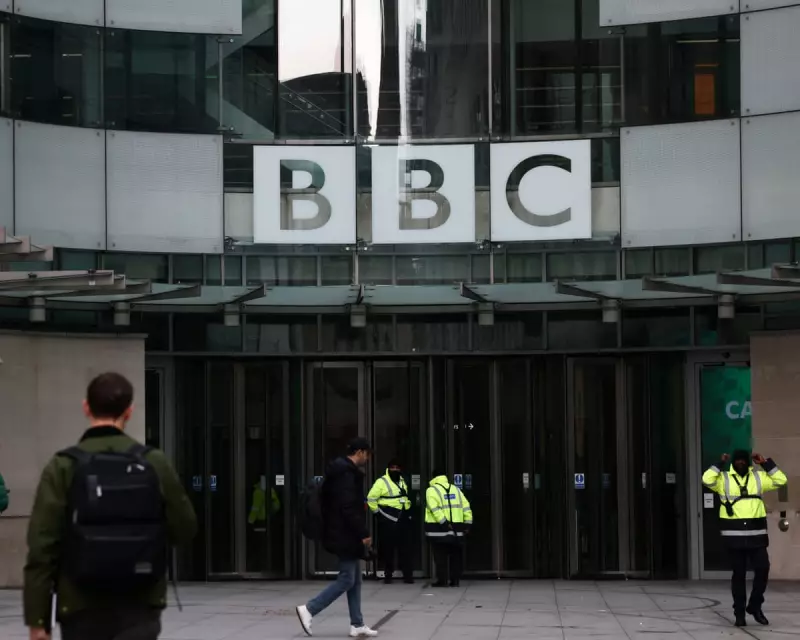
The BBC has been thrown into turmoil following the sudden departure of two of its most senior executives, director general Tim Davie and head of news Deborah Turness. Their resignations came after a major disagreement over how to handle explosive allegations of institutional bias within the corporation.
The Prescott Memo That Sparked the Crisis
The crisis was triggered by a memorandum from former external adviser Michael Prescott, who claimed the BBC suffered from serous and systemic problems in its coverage of several sensitive topics. In his September submission to the BBC board, Prescott alleged liberal bias in reporting on the US election, Gaza conflict, racial diversity and transgender issues.
Their decision to leave shocked staff at New Broadcasting House, with many describing the situation as resembling a rightwing coup. The aftermath revealed deep board splits and crippling delays in responding to the allegations that ultimately contributed to the leadership exodus.
Parliamentary Investigation and Key Questions
MPs on the culture, media and sport committee will examine Prescott's claims on Monday in what promises to be a highly charged session. The hearing will feature Prescott himself alongside Robbie Gibb, the Conservative-supporting BBC board member who has been accused of repeatedly raising concerns about liberal bias.
They will appear alongside BBC chair Samir Shah, former external adviser Caroline Daniel, and board member Caroline Thomson. The session is expected to address several critical questions about the corporation's governance and editorial standards.
Unresolved Issues and Internal Divisions
Prescott claimed he felt compelled to send his memo because his concerns about bias had been consistently ignored during his tenure as external adviser, which ended over the summer. While the BBC has apologised for one specific edit of a Trump speech mentioned in the memo, Shah has described Prescott's account as partial and personal.
The corporation's inability to respond promptly to the allegations has raised serious questions about board leadership. Two board meetings were held to discuss the memo, yet the BBC only issued a formal response after Davie and Turness had resigned.
The crisis has intensified with the resignation of board member Shumeet Banerji on Friday, who cited governance issues at the top. Banerji had been overseas during a key meeting about how to handle Prescott's report and felt improperly consulted.
Even the parliamentary committee examining the matter appears divided. Conservative chair Caroline Dinenage initially called only Prescott to give evidence, describing his memo as extremely worrying. However, after complaints from Labour's Rupa Huq that taking evidence from one person was highly unusual, the session was expanded to include multiple witnesses.