Senior BBC leaders have vehemently denied allegations of a 'board-level orchestrated coup' during a tense parliamentary hearing examining the fallout from an edited speech by former US President Donald Trump.
MPs Grill BBC Leadership Over Crisis
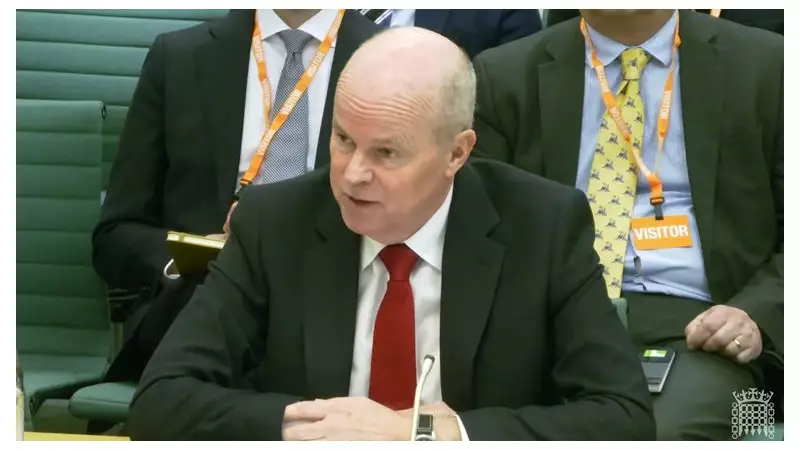
Non-executive director Sir Robbie Gibb told the Culture, Media and Sport Committee that reports of internal power struggles were 'complete nonsense' and 'deeply offensive to fellow board members'. The hearing on Monday 24th November 2025 saw BBC chair Samir Shah and other senior figures questioned about the escalating crisis that has already claimed the resignations of both the corporation's director-general and the chief executive of BBC News.
The controversy centres on a Panorama programme that spliced together clips of President Trump's speech on January 6th 2021, creating the impression he had told supporters he would walk to the US Capitol with them to 'fight like hell'. The former president has threatened a lawsuit against the broadcaster seeking between $1bn and $5bn, despite receiving an official public apology.
Leaked Memo Sparks Institutional Scrutiny
Former editorial adviser Michael Prescott, whose leaked memo initiated the chain of events, told MPs he had repeatedly observed 'incipient problems' that weren't being addressed within the corporation. 'I never envisaged the fallout that would occur', Prescott stated, emphasising that he wrote the memo as a 'strong supporter of the BBC' hoping concerns would be addressed privately.
When questioned whether the documentary had damaged Mr Trump's reputation, Prescott offered a measured response: 'Probably not', while adding 'I can't think of anything I agree with Donald Trump on'.
Structural Overhaul and Leadership Vacuum
BBC chair Samir Shah admitted the corporation had been too slow in responding to concerns about the Trump edit, acknowledging 'we should have made the decision earlier' - suggesting May would have been the appropriate time for action. Shah revealed he had tried to prevent director-general Tim Davie's resignation, stating he 'spent a great deal of time' attempting to convince him to stay.
With a job advert for the director-general role already published, Shah indicated significant structural changes might be forthcoming. He described the current director-general position as 'too big for one person' and expressed inclination toward creating a deputy role 'laser-focused on journalism' - identifying news output as both the corporation's 'most important thing and our greatest vulnerability'.
Sir Robbie Gibb also addressed concerns about his political background, having served as communications director for Theresa May's government between 2017 and 2019 before his BBC board appointment in 2021 by Boris Johnson. 'I know it's hard to marry the fact that I spent two years as director of communications for the government... and my genuine passion for impartiality', he told MPs, asserting his commitment to hearing 'the full range of views'.