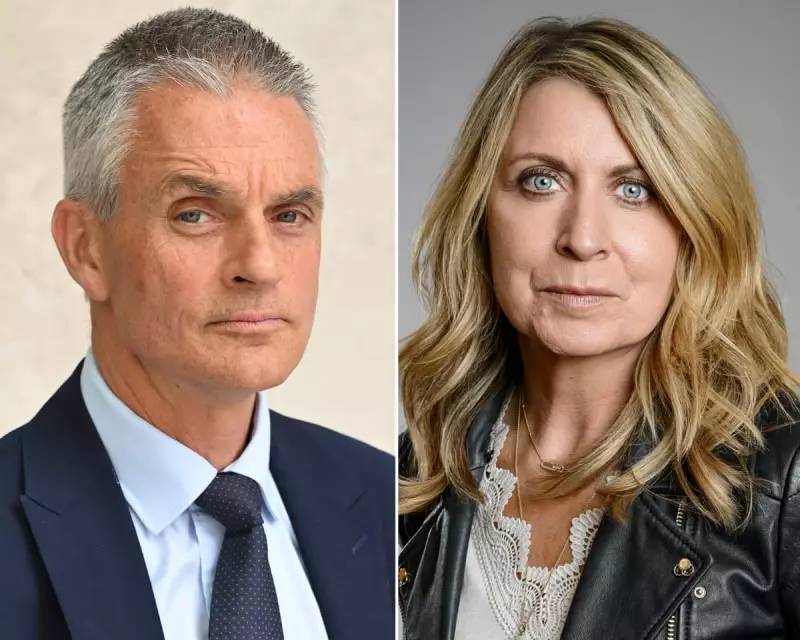
The recent high-profile resignations of the BBC's director general and head of news were the result of an internal 'coup', according to a former editor of The Sun. David Yelland has made explosive claims that Tim Davie and Deborah Turness were systematically undermined by individuals close to the BBC board.
The 'Inside Job' Allegation
Speaking on BBC Radio 4's Today programme on Monday, David Yelland, who edited The Sun between 1998 and 2003, described the departures as more than just resignations. "It was a coup, and worse than that, it was an inside job," Yelland stated emphatically. He alleged that people within the BBC, including those very close to or on the board, had been working to undermine Davie and his senior team over an extended period.
Yelland, who also co-presents the BBC podcast When it Hits the Fan, emphasised that Sunday's events didn't occur in isolation. He pointed to what he called a "failure of governance" within the corporation, noting that while he didn't blame chairman Samir Shah personally, the fundamental role of any chair is to either support their chief executive or remove them. "Tim Davie was not fired. He walked," Yelland observed, highlighting what he sees as a clear governance breakdown.
The Panorama Controversy That Sparked the Crisis
The resignations followed intense criticism from both the White House and right-wing commentators in the UK, triggered by a Daily Telegraph report. The newspaper had obtained leaked findings from Michael Prescott, a former independent external adviser to the BBC's editorial guidelines and standards committee who left his role in the summer.
Prescott had criticised the editing of a Donald Trump speech in a Panorama episode, claiming the programme made it appear that Trump had directly encouraged the US Capitol attack. The controversial edit spliced together two sections of speech that were originally an hour apart, without noting that Trump had also urged his supporters to demonstrate peacefully.
However, other media figures, including Sky's former political editor Adam Boulton, have defended the overall impression created by the edit, arguing that it accurately reflected that Trump had egged on the insurrection. Editing together sections of lengthy speeches to summarise them is also standard practice in broadcast journalism.
Internal Fallout and Political Reactions
Yelland's comments reflect the mood of dismay described by sources within BBC News on Sunday night. One insider had similarly described the situation as feeling like "a coup" and "the result of a campaign by political enemies of the BBC."
On Monday, BBC journalist Nick Robinson revealed there had been paralysis at the top levels of the organisation. Senior journalists wanted to apologise for the editing error while maintaining there was "no intention to mislead" audiences, but politically appointed directors pushed for a more extensive response.
Chairman Samir Shah is expected to apologise to the Commons' culture, media and sport committee and provide further details about the Panorama episode. Meanwhile, government minister Louise Sandher-Jones rejected suggestions of institutional bias at the BBC, telling Sky News that the corporation's output remains "very trusted" by the public.
Davie confirmed his departure wouldn't be immediate, saying he's "working through" timing to ensure an orderly transition in the coming months. Turness stated that the controversy around the Panorama edit had reached a point where it was "causing damage to the BBC - an institution that I love."