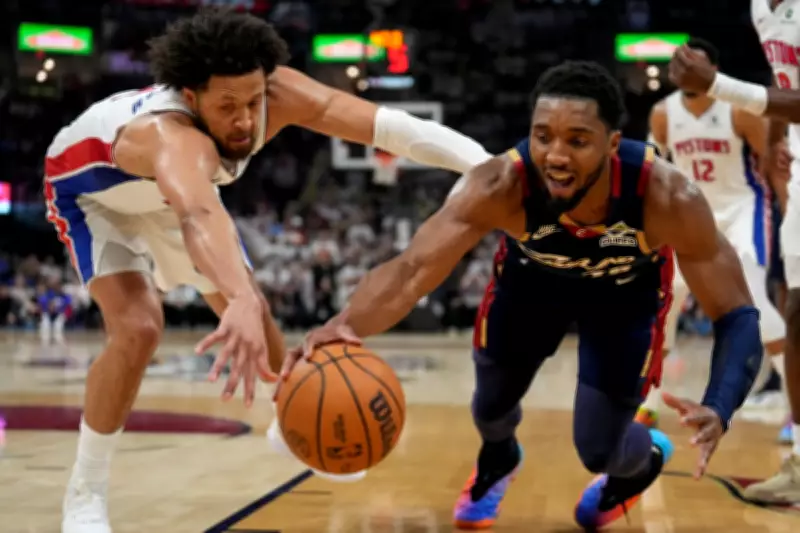
Game 7 in the NBA playoffs should be a thrilling winner-takes-all showdown, but when it aired on Amazon Prime Video, the excitement drained away. The Eastern Conference semi-final between Detroit and Cleveland was a blowout win for the Cavs, as dull as a doctor's waiting room. Prime Video's broadcast matched the game's lackluster energy, producing an alienating experience that feels like a glimpse into sport's viewerless future.
A Disappointing Debut for Prime Video
Amazon's streaming arm landed the rights to a Game 7 in its first season partnering with the NBA, but the broadcast was plagued by technical issues and a lack of chemistry. The pre-game highlight was an interview with MVP Shai Gilgeous-Alexander, seemingly filmed in a movie theater. Blake Griffin chided insider Shams Charania for leaking the MVP news, saying, "It's Sunday, Shams – go to brunch, you nerd." During halftime, Dirk Nowitzki rambled, and Steve Nash delivered lines like "That decisiveness in isolation is so important" with the conviction of a hostage. Host Taylor Rooks tried to compensate with awkward laughter.
Technical Glitches and Lack of Atmosphere
The stream dropped out during overtime in a play-in game, buffering plagued several games, and audio was often mistimed or too soft. The Prime Video set lacked the big-game feel of TNT's Inside the NBA, which moved to ESPN. That show thrives on the chemistry of Charles Barkley, Ernie Johnson, Kenny Smith, and Shaquille O'Neal, but Prime's panel of Nash and Nowitzki interacted like vague acquaintances at dinner, too polite and safe for compelling TV.
Fragmentation of Viewing Experience
The NBA's new 11-year, $77 billion media deal spreads playoff basketball across NBC, Peacock, ESPN/ABC, and Prime Video. This fragmentation makes the viewing experience static and clunky. Fans must subscribe to multiple services, including Amazon Prime for $14.99 a month, to access premium live sport. Not all bars can afford commercial streaming fees, raising concerns about access and the league's long-term growth.
The Corporate Agenda Behind Sports Media
Viewership data in the streaming era is unreliable, but the NBA claims growth. The real audience for these claims is not fans but corporate underwriters. Professional sports increasingly cater to a tiny class of owners and investors, mirroring the venture capital economy. The Prime Video experiment coincides with other trends, like extortionate World Cup ticket prices and the invite-only Enhanced Games, signaling that live sport is becoming an exclusive privilege for the global elite.
Amazon's janky broadcast anticipates a future where sports slip behind a curtain of wealth and celebrity. Let's appreciate it while we can.