A Glimpse Behind the Royal Curtain
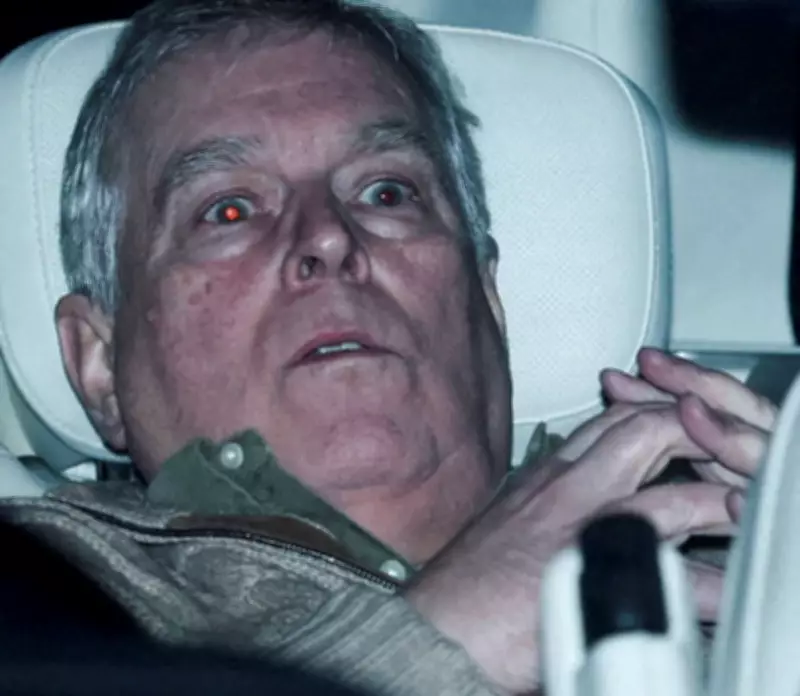
The camera flash illuminates the back seat of a Range Rover, revealing a face frozen in shock and horror. Phil Noble's photograph of Andrew Mountbatten-Windsor leaving Aylsham police station has become an instant cultural artifact, capturing what appears to be the visceral anguish of a royal figure confronting his own actions and their consequences.
The Accidental Masterpiece
Much like the eerily similar 2019 photograph of Prince Philip leaving hospital, this image's power lies in its serendipitous composition. Noble took multiple shots as Mountbatten-Windsor rushed past his vehicle. Two frames were blank, two captured police officers, one was out of focus. Only this single photograph emerged perfectly, offering a private glimpse of power crumbling in real time.
In our age of social media saturation and constant visual bombardment, it has become increasingly difficult for any single image to rise above the noise. That this photograph has achieved such prominence demonstrates its profound cultural significance and emotional resonance.
Eyes That Tell the Story
The photograph's most compelling feature remains those haunting eyes. They appear as hollow, red portals that seem to reflect an internal abyss. Mountbatten-Windsor's expression suggests not anger or defiance, but rather a dazed, overwhelmed state of being. The image evokes immediate comparisons to iconic works of art that explore human suffering and existential dread.
These are the same anguished eyes that stare out from Edvard Munch's The Scream, the same desperate gaze captured in Gustave Courbet's Self-Portrait (The Desperate Man). They recall the terrified faces in Otto Dix's Das Krieg series, where soldiers confront the incomprehensible horrors of World War I battlefields.
From Royal Pomp to Personal Shame
This photograph represents a dramatic departure from traditional royal portraiture. Gone are the gold, pomp, and circumstance that typically characterize images of monarchy. Instead, we see the end-of-empire luxury of a Range Rover's white leather interior contrasted with the mortifying reality of being the first senior royal arrested in modern British history.
Throughout history, rulers have carefully controlled their public images, approving only those portraits that serve their interests. This photograph breaks that tradition completely. It offers an unmediated window into a private moment of crisis, capturing what appears to be genuine emotion rather than carefully crafted public persona.
Historical Parallels in Art
The image invites comparison to darker artistic traditions that explore guilt, complicity, and personal horror. It echoes Francis Bacon's screaming pope paintings, which depict ecclesiastical power consumed by past sins. Even more strikingly, it recalls Francisco de Goya's Saturn Devouring His Son, where a Titan's wide-eyed bewilderment reflects the horror of irreversible actions.
Just as Juan Carreño de Miranda's 17th-century portrait of Charles II of Spain immediately suggests inbreeding and dynastic decay through the monarch's pronounced jawline, this photograph may come to symbolize the British royal family's connection to the Jeffrey Epstein scandal and the uncomfortable truths it has revealed.
A Legacy in the Making
Will this photograph become the defining image of early 21st-century British royalty? Rather than depicting gilded icons or decorated leaders standing proudly with military medals, it presents what appears to be a decaying, broken figure haunting what some perceive as a decaying, broken nation. The image raises profound questions about how history will remember this era of monarchy.
As a cultural artifact, Noble's photograph transcends mere documentation. It has become a modern royal portrait that speaks to themes of power, privilege, accountability, and the human capacity for suffering. Whether viewed as evidence of guilt or simply as a captured moment of personal crisis, the image has already secured its place in the visual history of British royalty.