Melbourne's Cultural Landscape Faces Unprecedented Funding Crisis
The arts sector in Victoria is confronting what many describe as its most challenging period in decades, with widespread funding cuts threatening the very fabric of Melbourne's cultural identity. Creative Victoria, the state's primary arts funding agency, has reduced its financial support by more than $20 million since 2022, leaving numerous established organizations facing potential closure.
"A Really Sad, Grim Place": Arts Leaders Express Despair
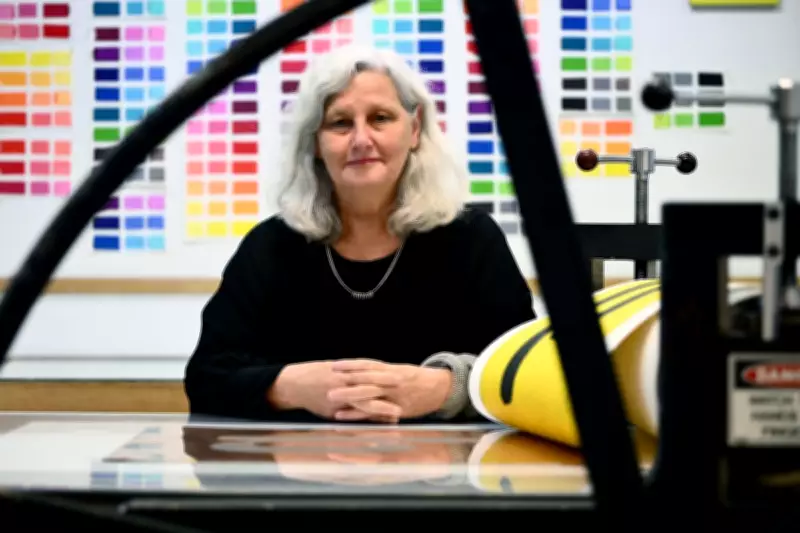
Anne Virgo, CEO of the internationally renowned Australian Print Workshop, captures the sector's mood perfectly: "I think the arts are in a really sad, grim place." Her organization, which has operated for 44 years with government support, now faces its first year without Victorian funding. "This was completely a devastating shock for us," Virgo reveals. "It tears my heart out."
The Australian Print Workshop has collaborated with prestigious institutions like the British Museum and worked with celebrated artists including Fiona Hall and Patricia Piccinini. Despite this impressive track record, the organization received no clear explanation for its funding rejection. "They couldn't really give us concrete, real reasons," Virgo notes, suggesting the assessment process lacked transparency.
Creative Enterprises Program: From Stability to Uncertainty
Creative Victoria's four-year funding stream, now called Creative Enterprises, has traditionally provided essential operational support for non-government arts organizations. Unlike project-specific grants, this funding covered crucial expenses like salaries, administration, artist payments, and programming, offering medium-term stability that allowed organizations to plan and grow.
Guardian Australia analysis reveals the program's dramatic decline: funding commitments have plummeted from $81.2 million in 2022 to just $59.4 million for 2026. Of the 81 successful organizations in the latest round, 24 received only two years of funding instead of the traditional four-year commitment.
Organizations Facing Immediate Threat
Several prominent Victorian arts institutions now confront existential threats:
- Writers Victoria: The 37-year-old literary service organization had its $600,000 four-year funding completely eliminated. Chair Janice Gobey expresses bewilderment: "It seems bizarre that in a Unesco City of Literature you'd cancel the peak writers' body."
- Abbotsford Convent: Chief executive Justine Hyde reports their funding dropped from $200,000 annually to zero, despite previously receiving positive performance feedback from Creative Victoria.
- Freeplay: The national support organization for games makers and interactive artists faces closure after 22 years of operation following its unsuccessful funding application.
Major Institutions Also Affected
The crisis extends beyond smaller organizations to Victoria's flagship cultural institutions. At Museums Victoria, morale has reached what insiders describe as an "all-time low" following rolling staff cuts since July. Despite record visitor numbers, visitor engagement officer roles have been significantly reduced and merged with security functions.
"It's not a business, it's a cultural institution," one anonymous staff member emphasizes. "We have a mandate to bring the collection to the people of Victoria."
The State Library of Victoria faced similar challenges, abandoning a proposed restructure last year after significant public outcry. Staff had accused management of prioritizing "digital vanity projects" over the institution's core cultural purposes.
Political Response and Sector Concerns
The opposition has seized on the issue, with Liberal shadow minister for arts David Davis describing the cuts as "damaging and destructive." Davis argues Creative Victoria appears "out of touch with the Victorian community and the arts community" and suggests the funding decisions lack logical rationale beyond the government's financial difficulties.
Jane Crawley, a former Creative Victoria executive, notes that "a distrust and a degree of bad faith" has developed between the funding body and the arts sector. She questions why the government didn't simply acknowledge financial constraints rather than conducting what many perceive as a flawed assessment process.
Broader Implications for Melbourne's Cultural Status
One longtime Victorian arts leader voices a concern shared by many: "I think the wider cultural shock is [Melbourne] is going to go from the cultural capital to the least funded city in Australia." This sentiment reflects growing anxiety that Melbourne's hard-earned reputation as Australia's cultural capital may be irreparably damaged.
The funding crisis has created a chilling effect within the arts community, with many organizations fearing that public criticism might jeopardize future funding opportunities. As Writers Victoria's Janice Gobey observes: "Does it sound like a partnership when people who are receiving funds from you are scared to speak out?"
Creative Victoria maintains that the Creative Enterprises program remains an "open, competitive program" subject to a "robust" application and assessment process. A spokesperson emphasized that the assessment criteria didn't include previous funding history and that the round was always expected to be highly competitive.
However, for organizations now facing closure and artists contemplating their futures, these assurances provide little comfort as Melbourne's cultural landscape undergoes its most significant transformation in generations.